
Body Basics
Discover the fundamentals of human anatomy, essential bodily functions, everyday hygiene tips, and how your body works to keep you healthy.
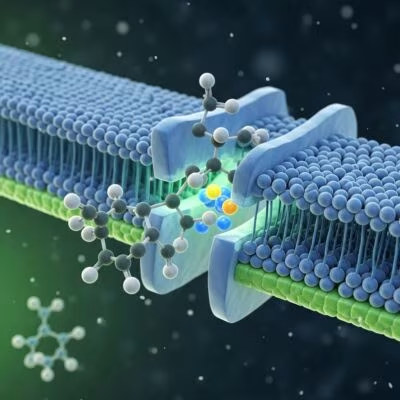
Verapamil Uses, Dosing, Side Effects, And Safety
Manage blood pressure, angina, and arrhythmias with verapamil. Learn uses, doses, side effects, interactions, and key safety checks for safer daily use.

Ethosuximide For Absence Seizures: Uses, Dosage, Side
Manage absence seizures with ethosuximide. Learn uses, dosing, side effects, warnings, and follow-up care for children and adults.

Frailty And Multimorbidity: Holistic Care Guide
Age-related frailty and multimorbidity can disrupt daily life. Learn screening, risks, and holistic care strategies to support healthier aging and better outcomes.

Joy Explained: Types, Triggers, And Daily Practices
Feeling stuck in the same mood loop? Explore the science of joy, its types, triggers, benefits, and practical ways to build it into daily…

Pet Grief Guide: Coping, Euthanasia, And Healing
Find comfort after pet loss with practical coping tips, euthanasia guidance, grief signs, and memorial ideas for healing and support.

Postnatal Depression In Men: Symptoms And Support
Spot postnatal depression in men, learn the causes, symptoms, and support options for dads, and see how early help protects families and bonding.

Holiday Depression: Causes, Triggers, And Coping
Holiday stress, grief, and low light can worsen depression. Learn the main triggers, how holiday blues differ from clinical depression, and coping steps that…

Male Pattern Baldness And Mental Health: 7 Insights
Worried about hair loss and confidence? Explore 7 insights on male pattern baldness, anxiety, self-image, and coping strategies, plus when to seek help.

Self-Care For Men: 5 Practical Ways To Start Today
Men face pressure to stay strong, but self-care builds resilience, reduces burnout, and supports mental health with simple daily habits.
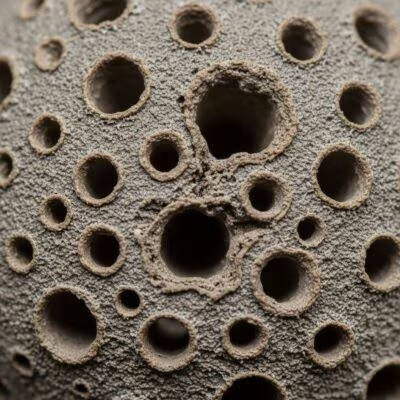
Trypophobia Symptoms, Triggers, And Treatment Guide
Learn what trypophobia feels like, what triggers it, and how CBT, exposure, and mindfulness help manage distress.