
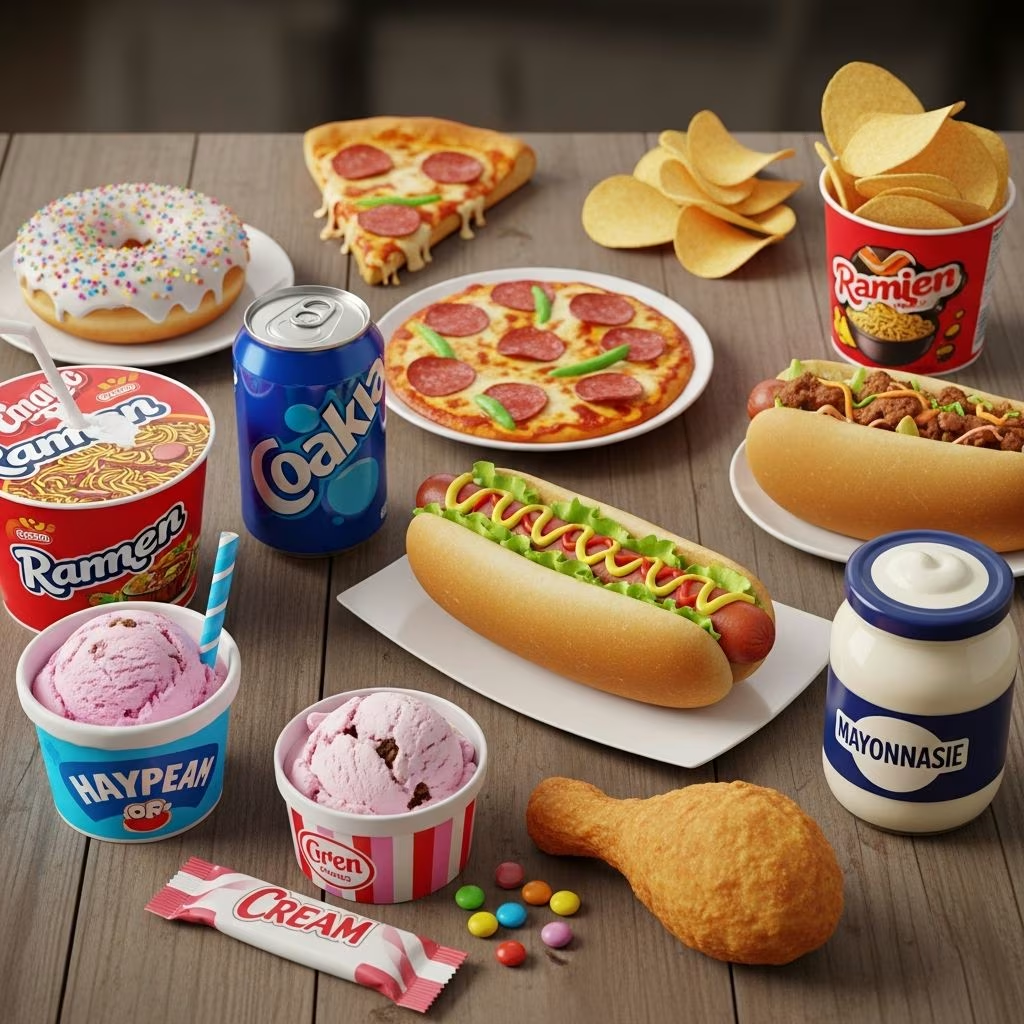
Navigating the grocery store can feel like a minefield with so many processed foods masquerading as healthy options. Registered dietitians, who base their advice on scientific evidence and real-world client outcomes, consistently flag certain foods that undermine health goals. These items often pack hidden sugars, unhealthy fats, excessive sodium, or contaminants that contribute to issues like heart disease, weight gain, inflammation, and nutrient deficiencies. This article breaks down the 10 foods to avoid, drawing from expert consensus, explains the science-backed reasons why, and offers practical, delicious alternatives to keep your meals nourishing and satisfying.
By ditching these culprits, you can reduce chronic disease risks, stabilize energy levels, and foster long-term wellness. Let’s dive into each one with insights from top nutrition professionals.
1. Fruit Canned in Heavy Syrup
Canned fruit seems innocent, but when packed in heavy syrup, it transforms into a sugar bomb. Dietitians warn that the syrup adds excessive fructose, spiking blood sugar and promoting fat storage without fiber’s moderating effect. A single cup can contain up to 20 grams of added sugar—equivalent to five teaspoons—contributing to insulin resistance and obesity over time.
Opt for fruit canned in water, its own juice, or fresh/frozen varieties to retain vitamins like vitamin C and antioxidants. For example, swap syrupy peaches for no-sugar-added versions and pair with Greek yogurt for a balanced snack.
- Health risk: Elevated blood sugar and empty calories.
- Smarter swap: Fresh berries or unsweetened applesauce.
2. Vegetable Shortening
Bakers love vegetable shortening for its flakiness in pies and cakes, but it’s loaded with partially hydrogenated oils—trans fats that raise bad LDL cholesterol and lower good HDL. The FDA banned artificial trans fats in 2021, yet traces linger in some products, linking to heart disease and inflammation.
Replace with healthier fats like coconut oil, avocado oil, or butter in moderation. These provide medium-chain triglycerides or monounsaturated fats that support heart health without the trans fat dangers.
- Key issue: Artificial trans fats from hydrogenation process.
- Alternative uses: Olive oil for sautéing or almond butter in baking.
3. Non-Dairy Coffee Creamer
That powdered or liquid non-dairy coffee creamer often harbors hydrogenated oils, high-fructose corn syrup (HFCS), and artificial sweeteners. HFCS burdens the liver, increasing fat accumulation, while additives like carrageenan may irritate the gut. Flavored versions amplify sugar intake, negating coffee’s antioxidant perks.
Switch to unsweetened almond, oat, or coconut milk, or splash in heavy cream if dairy-tolerant. Add cinnamon or vanilla extract for flavor without the junk.
- Problems: Liver fat from HFCS and GI issues from sweeteners.
- Daily tip: Brew coffee with a French press and top with nut milk foam.
4. Tilefish and High-Mercury Fish
Tilefish tops the FDA’s high-mercury list due to bioaccumulation in large predatory fish, risking neurological damage, especially in pregnant women and children. Mercury disrupts brain function and may cause heavy metal poisoning with regular consumption.
Choose low-mercury SMASH fish: Salmon, Mackerel, Anchovies, Sardines, Herring. These deliver omega-3s EPA and DHA for heart and brain health without toxins. Aim for 8-12 ounces weekly.
| Avoid | Why | Swap |
|---|---|---|
| Tilefish, Swordfish | High mercury | Salmon, Sardines |
| King Mackerel | Bioaccumulation | Anchovies |
5. Salami and Cured Meats
Salami and similar cured meats are sodium nitrite-laden, forming carcinogenic nitrosamines during processing. High saturated fat and salt content elevate blood pressure, heart disease risk, and colorectal cancer per WHO classifications.
Go for nitrate-free turkey, roast beef, or plant-based options like hummus wraps. Home-cooked chicken breast seasoned with herbs offers flavor minus the nitrates.
- Evidence: Linked to hypertension and cancer.
- Portion control: Limit processed meats to occasional treats.
6. Energy Drinks
Energy drinks overload on caffeine (up to 300mg per can), sugar (40g+), and artificial flavors, spiking heart rate, blood pressure, and anxiety. Excess leads to crashes, insomnia, and dependency; taurine and guarana amplify risks.
Hydrate with water infused with fruit, green tea, or black coffee. For a boost, eat a banana with almond butter—natural potassium and sustained energy.
- Risks: Cardiovascular strain and inflammation.
- Habit hack: Dilute with sparkling water gradually.
7. Potato Chips
Crispy potato chips are fried in inflammatory seed oils, loaded with sodium (170mg per ounce), and offer zero fiber or protein. Regular intake correlates with weight gain, hypertension, and acrylamide formation—a probable carcinogen from high-heat frying.
Satisfy crunch cravings with baked chickpea puffs, kale chips, or WILDE Protein Chips (10g protein from chicken/egg whites). Veggie sticks with guac provide nutrients.
| Chip Type | Calories/Oz | Protein |
|---|---|---|
| Regular Potato | 150 | 2g |
| Protein Chips | 120 | 10g |
| Chickpea Tortilla | 130 | 4g |
8. White Chocolate
White chocolate skips cocoa solids, deriving ‘chocolate’ status from cocoa butter, sugar, and milk—yielding high calories (150 per ounce) sans flavonoids. It promotes sugar highs/lows unlike dark chocolate’s heart-protective polyphenols.
Select 70%+ dark chocolate or cacao nibs. Pair with nuts for balanced indulgence.
- Missing benefits: No antioxidants.
- Treat idea: Dark chocolate-dipped strawberries.
9. High-Sugar Granola Bars
Marketed as healthy, many granola bars rival candy bars with 10-20g sugar from HFCS or chocolate coating. They cause blood glucose spikes/crashes, hunger, and dental issues.
Choose low-sugar bars (<5g) with nuts/seeds, or DIY with oats, nut butter, and dark chocolate chips. RXBAR or KIND minis work well.
- Check label: Avoid >8g added sugar.
- Snack combo: Apple + cheese.
10. Regular Soda
Regular soda delivers 39g sugar per 12oz, fueling obesity, type 2 diabetes, and tooth decay via phosphoric acid. Dark colas leach bone calcium.
Quench with OLIPOP (low-sugar, prebiotic), sparkling water with lemon, or kombucha. Infused waters add variety.
- Impact: 10 tsp sugar per can.
- Transition: Wean with half soda/half seltzer.
Why Dietitians Agree: The Bigger Picture
These foods cluster around processed pitfalls: added sugars (linked to metabolic syndrome per CDC), trans/saturated fats (heart disease per AHA), sodium (hypertension), and contaminants (mercury via EPA). Whole foods—veggies, lean proteins, whole grains—crowd them out, aiding weight management and vitality.
Incorporate variety: 50% produce, 25% proteins, 25% grains. Track via apps like MyFitnessPal.
Frequently Asked Questions (FAQs)
Can I eat these foods occasionally?
Moderation is key—limit to 10-20% of diet. Focus on 80/20 rule for sustainability.
What if I crave chips or soda?
Healthier swaps like air-popped popcorn or herbal sodas satisfy without sabotage.
Are all canned fruits bad?
No—choose ‘in juice’ or water-packed for nutrition minus syrup.
How does mercury in fish affect adults?
Chronic exposure impairs cognition; stick to SMASH guidelines.
What’s the best coffee creamer alternative?
Unsweetened plant milks or half-and-half for creaminess.
References
- 16 Foods You Should Avoid Eating, According to Dietitians — Prevention.com. 2023-05-15. https://www.prevention.com/food-nutrition/g20498199/foods-you-should-never-eat/
- 5 Foods Dietitians Say You Should Avoid and What to Eat Instead — Vandana Sheth, RDN. 2024-02-10. https://www.vandanasheth.com/blog/article/5-foods-dietitians-say-you-should-avoid-and-what-to-eat-instead/
- Dietary Guidelines for Americans, 2020-2025 — USDA.gov. 2020-12-01. https://www.dietaryguidelines.gov/sites/default/files/2020-12/Dietary_Guidelines_for_Americans_2020-2025.pdf
- Advice about Eating Fish — FDA.gov. 2024-08-01. https://www.fda.gov/food/consumers/advice-about-eating-fish
- Trans Fat — American Heart Association. 2023-11-20. https://www.heart.org/en/healthy-living/healthy-eating/eat-smart/fats/trans-fat