
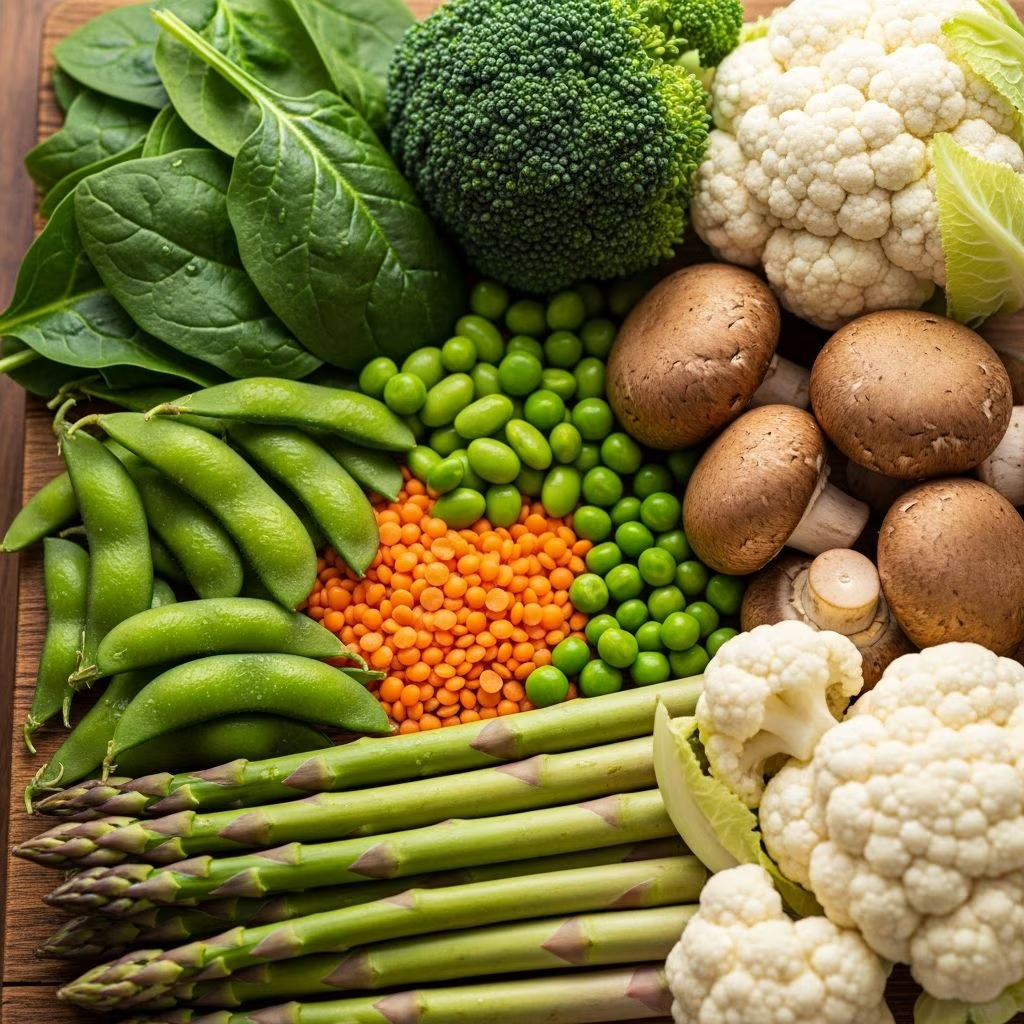
While vegetables are celebrated for their vitamins, minerals, and fiber, many people overlook their potential as protein sources. High-protein vegetables, particularly legumes and certain greens, can significantly contribute to daily protein needs, supporting muscle maintenance, satiety, and overall health. Incorporating these into meals helps diversify nutrient intake on plant-based or vegetarian diets.
What Counts as a High-Protein Vegetable?
Protein-rich vegetables typically provide 4 grams or more per cup serving, with legumes like beans and peas leading due to their seed nature. According to USDA classifications, beans and lentils straddle vegetables and proteins, offering fiber, potassium, iron, and 14-30g protein per cooked cup. Non-legume veggies like broccoli and Brussels sprouts add 2-5g per cup alongside antioxidants and vitamins.
Health Benefits of High-Protein Vegetables
These foods aid muscle repair, weight management, and blood sugar control. Plant proteins reduce heart disease risk compared to animal sources, per American Heart Association guidelines on plant-based eating. Their fiber promotes gut health, while low calories support sustainable diets. For athletes or vegetarians, they provide essential amino acids, especially when combined.
Top High-Protein Vegetables and Legumes
Here are standout options with protein per typical serving, nutrition highlights, and preparation tips, drawn from reliable nutrition databases.
1. Edamame
Protein: 31.3g per cooked cup (shelled). Immature soybeans deliver complete protein—all essential amino acids—surpassing 3oz chicken breast (26g). Rich in folate, vitamin K, and fiber, they support heart health and digestion.
- Best ways to eat: Steam and sprinkle with sea salt; add to salads or stir-fries.
- Recipe idea: Edamame hummus or poke bowls.
2. Lentils
Protein: 18g per cooked cup. Versatile and budget-friendly, lentils boast iron, folate, and manganese for energy metabolism. Red, green, or black varieties suit soups, dals, or salads.
- Best ways to eat: Simmer in curries or mix into veggie burgers.
- Recipe idea: Lentil shepherd’s pie or Mediterranean lentil salad.
3. Chickpeas (Garbanzo Beans)
Protein: 21.3g per 100g dried (about 14g cooked cup). Nutty flavor shines in hummus, falafel, or roasted snacks. High in manganese and folate for bone health.
- Best ways to eat: Roast with spices; blend into soups.
- Recipe idea: Crispy roasted chickpeas or coconut chickpea curry.
4. Green Peas
Protein: 8.6g per cooked cup. Sweet and fiber-packed (8.8g per cup), peas aid digestion and heart health with vitamins A, C, K.
- Best ways to eat: Steam with mint; toss in pasta or risottos.
- Recipe idea: Pea and mint soup or smashed pea guacamole.
5. Fava Beans
Protein: High in legume family, around 7-8g per cup cooked. Nutty and creamy, they’re potassium-rich for blood pressure control.
- Best ways to eat: Puree into dips; add to stews.
6. Lima Beans
Protein: 11.6g per boiled cup. Buttery texture with potassium, fiber, iron; mask any earthiness in flavorful recipes.
- Best ways to eat: Bake Mediterranean-style or make hummus.
- Recipe idea: Herbed lima bean hummus.
7. Mung Beans
Protein: 14.2g per cup boiled. Iron and fiber boost; sprout for salads or cook in curries.
- Best ways to eat: Sprout and add to wraps.
- Recipe idea: Sprouted mung bean burgers.
8. Quinoa
Protein: 8.14g per cooked cup. Technically a seed, it’s complete protein with antioxidants, magnesium, iron. Cooks in 15 minutes.
- Best ways to eat: As pilaf, in salads, or burgers.
- Recipe idea: Avocado blueberry quinoa salad.
9. Brussels Sprouts
Protein: 4g per cooked cup. Over 100% daily vitamin C; roast for caramelization and crunch.
- Best ways to eat: Shred raw in slaw; roast with olive oil.
10. Broccoli
Protein: 2.6g per cup raw (1.9g cooked). Superfood with fiber, vitamins C/K, sulforaphane for detox.
- Best ways to eat: Steam, roast, or blend into smoothies.
Other notables: Asparagus (3-5g/cup), spinach (5g/cup cooked), corn (5g/cup), artichokes (3.5g/artichoke), kale (3.5g/cup boiled), collard greens (5g/cup), sweet potatoes, mushrooms (2.2g/cup), cauliflower (2.1g/cup).
Protein Content Comparison Table
| Vegetable | Protein per Cup Cooked (g) | Key Nutrients |
|---|---|---|
| Edamame | 31.3 | Folate, Vit K, Fiber |
| Lentils | 18 | Iron, Folate |
| Chickpeas | 14 | Manganese, Fiber |
| Green Peas | 8.6 | Vit A/C/K, Fiber |
| Brussels Sprouts | 4 | Vit C/K, Antioxidants |
| Broccoli | 2.6 (raw) | Sulforaphane, Fiber |
| Spinach | 5 | Iron, Magnesium |
How to Add More High-Protein Veggies to Your Diet
- Start breakfast with spinach-quinoa smoothies or pea-packed omelets.
- Snack on roasted chickpeas or edamame.
- Lunch: Lentil soups, chickpea salads.
- Dinner: Stir-fry broccoli/asparagus with tofu; Brussels sprout sides.
- Combine for complete proteins, e.g., beans + rice.
Aim for 1-2 cups daily to hit 20-40g extra protein without meat.
Frequently Asked Questions
Which vegetables have the highest protein?
Edamame (31g/cup), lentils/beans (14-18g), green peas (8.6g), followed by spinach, corn, asparagus.
Are legumes considered vegetables?
Yes, USDA lists them as vegetables with protein benefits; they’re nutrient-dense legumes.
Can high-protein veggies build muscle?
Yes, especially complete ones like edamame/quinoa or combos; pair with exercise for gains.
How much protein do I need daily?
0.8g/kg body weight (46g women, 56g men); more for active lifestyles.
Are these better than meat protein?
They offer fiber/antioxidants meat lacks, lowering chronic disease risk; variety is key.
References
- Vegetables High in Protein: 19 Veggies and How to Eat More — Healthline. 2023. https://www.healthline.com/health/food-nutrition/19-high-protein-vegetables
- 8 Vegetables Highest in Protein — GoodRx. 2024-01-15. https://www.goodrx.com/well-being/diet-nutrition/vegetables-high-in-protein
- Vegetables High in Protein: Best Options and Nutrition — ZOE. 2024. https://zoe.com/learn/vegetables-high-in-protein
- 10 Most Protein-Packed Vegetables — BCBST News Center. 2023. https://bcbstnews.com/bluehealthsolutions/10-most-protein-packed-vegetables/
- High protein vegetables: The top 10 and how to eat them — Medical News Today. 2023-05-30. https://www.medicalnewstoday.com/articles/318600
- Plant-based Protein Infographic — American Heart Association. 2024. https://www.heart.org/en/healthy-living/healthy-eating/eat-smart/nutrition-basics/plant-based-protein-infographic