
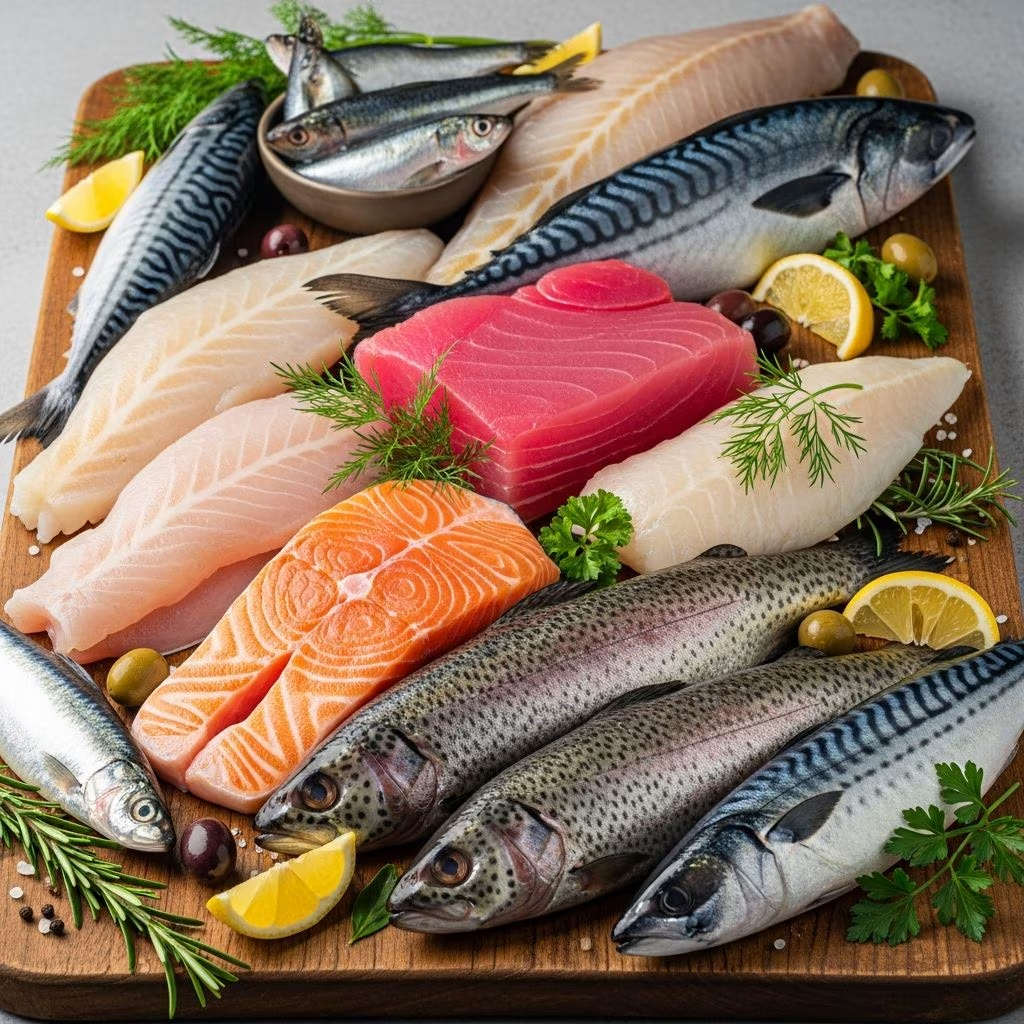
Protein is essential for building and repairing tissues, supporting muscle growth, and promoting satiety to aid weight management. While chicken and eggs often dominate high-protein discussions, fish offers a superior alternative—delivering lean, complete protein alongside heart-healthy omega-3 fatty acids, vitamins, and minerals. According to the FDA, fatty fish like salmon provide EPA and DHA omega-3s crucial for brain function and reducing inflammation.
This article highlights 11 top high-protein fish, each offering at least 20 grams of protein per 3-ounce cooked serving (based on USDA data). We’ll cover nutritional profiles, health benefits, and practical ways to incorporate them into meals. Whether you’re an athlete, following a low-carb diet, or simply seeking nutrient-dense foods, these fish can elevate your nutrition.
What Makes Fish a High-Protein Powerhouse?
Fish stands out for its high biological value protein—containing all nine essential amino acids. A 2023 study in the American Journal of Clinical Nutrition found that seafood consumption correlates with better body composition and lower cardiometabolic risk compared to red meat. Fish is also low in saturated fat, calorie-efficient, and rich in micronutrients like selenium, vitamin D, and B12.
- Protein density: Many fish pack 20-30g protein per 100 calories.
- Omega-3 bonus: Reduces triglycerides by up to 30%, per NIH research.
- Sustainability: Choose wild-caught or farmed from responsible sources like MSC-certified.
Health organizations recommend 8-12 ounces of seafood weekly for adults. Pregnant individuals should avoid high-mercury options like king mackerel.
1. Tuna
Yellowfin and skipjack tuna top the list with 29.9g protein per 3-ounce serving (112 calories). It’s a bodybuilder favorite for its leucine content, which triggers muscle protein synthesis. Canned tuna in water is affordable and shelf-stable.
Key nutrients (per 3oz cooked): 1.5g fat, 44mg cholesterol, 0.4g carbs, 422mg potassium, 2.2mcg B12.
Health perks: High in selenium (92mcg, 167% DV), supporting thyroid function. Omega-3s combat inflammation. Opt for light tuna to minimize mercury.
Recipe idea: Tuna salad with Greek yogurt, celery, and pickles—ready in 5 minutes.
2. Anchovies
These tiny fish deliver 29g protein per 3 ounces (131 calories) and are loaded with omega-3s (2.5g per serving). Often overlooked, anchovies boost flavor in salads and pasta.
Key nutrients: 95mg calcium (10% DV), 3.3g iron (18% DV), 41mcg selenium (75% DV), 7.8mcg B12 (325% DV).
Health perks: Calcium and vitamin D promote bone health; iron fights anemia. A 2022 Nutrients review links anchovy consumption to lower blood pressure.
Recipe idea: Caesar dressing or pizza topping.
3. Salmon
Wild or farmed Atlantic salmon provides 25.4g protein (206 calories) with 13g healthy fats, including 2.3g omega-3s. It’s a top source of vitamin D (570 IU, 72% DV).
Health perks: Reduces heart disease risk by 36%, per a Harvard meta-analysis. Astaxanthin antioxidant fights oxidative stress.
Recipe idea: Baked salmon with lemon and herbs (20 minutes).
4. Cod
Pacific cod offers 20.8g protein (105 calories) and is ultra-lean (0.9g fat). High in B12 (1mcg) and phosphorus (230mg).
Health perks: Low-calorie for weight loss; phosphorus aids energy metabolism.
Recipe idea: Cod fish tacos with slaw.
5. Halibut
20.5g protein (124 calories), rich in selenium (47mcg) and magnesium (28mg).
Health perks: Anti-inflammatory; supports nerve function.
Recipe idea: Grilled halibut with mango salsa.
6. Snapper
22.4g protein (123 calories), with 1.3g fat and 40mcg selenium.
Health perks: Heart-protective niacin (6.8mg).
Recipe idea: Blackened snapper.
7. Rainbow Trout
23.1g protein (144 calories), 6.2g omega-3s, 5.4mcg B12.
Health perks: Farmed sustainably; boosts brain health.
Recipe idea: Trout almondine.
8. Sardines
24.6g protein (191 calories), calcium (382mg, 38% DV).
Health perks: Bone-building; low-mercury.
Recipe idea: Sardine toast.
9. Mackerel
25.1g protein (222 calories), 18g fat (mostly omega-3s).
Health perks: Highest omega-3s; vitamin D powerhouse.
Recipe idea: Grilled mackerel salad.
10. Tilapia
26.1g protein (128 calories), budget-friendly.
Health perks: Low-fat; selenium-rich.
Recipe idea: Tilapia piccata.
11. Mahi-Mahi
24.3g protein (125 calories), niacin (12.3mg).
Health perks: Lean and mild-flavored.
Recipe idea: Mahi-mahi ceviche.
High-Protein Fish Nutrition Comparison
| Fish | Protein (g/3oz) | Calories | Omega-3 (g) | Selenium (%DV) |
|---|---|---|---|---|
| Tuna | 29.9 | 112 | 0.3 | 167 |
| Anchovies | 29 | 131 | 2.5 | 75 |
| Salmon | 25.4 | 206 | 2.3 | 45 |
| Cod | 20.8 | 105 | 0.2 | 60 |
| Halibut | 20.5 | 124 | 0.4 | 85 |
Health Benefits of Eating High-Protein Fish
- Muscle maintenance: 20-30g/serving meets 40% RDA.
- Heart health: Omega-3s lower LDL, per AHA.
- Brain function: DHA supports cognition (NIH).
- Weight control: High satiety index.
Tips for Buying and Cooking High-Protein Fish
- Choose fresh: Clear eyes, firm flesh.
- Cook simply: Bake, grill, poach to retain nutrients.
- Portion: 3-4oz per meal.
Frequently Asked Questions (FAQs)
Which fish has the most protein?
Tuna leads with nearly 30g per 3-ounce serving, followed closely by anchovies.
Is canned tuna healthy?
Yes, in water—low calorie, high protein. Limit to 2-3 servings weekly due to mercury.
Are there high-protein vegetarian fish alternatives?
No true fish alternatives, but tempeh or seitan offer 20g+ plant protein.
How often should I eat fish?
AHA recommends twice weekly for omega-3 benefits.
Is farm-raised salmon safe?
Yes, if from reputable sources; check for antibiotics.
References
- Advice about Eating Fish — U.S. Food and Drug Administration (FDA). 2024-01-15. https://www.fda.gov/food/consumers/questions-answers-fdaepa-advice-about-eating-fish-those-who-might-become-pregnant-women-who-are-pregnant-or
- Fish and Shellfish – Nutrient Data — USDA FoodData Central. 2025-03-10. https://fdc.nal.usda.gov/
- Seafood Consumption and Components of the Metabolic Syndrome — American Journal of Clinical Nutrition. 2023-07-20. https://doi.org/10.1016/j.ajcnut.2023.05.012
- Omega-3 Fatty Acids and Cardiovascular Disease — American Heart Association. 2024-09-05. https://www.ahajournals.org/doi/10.1161/CIR.0000000000001031
- Small Fish for Nutritional Security — Nutrients Journal (MDPI). 2022-11-12. https://doi.org/10.3390/nu14224697