
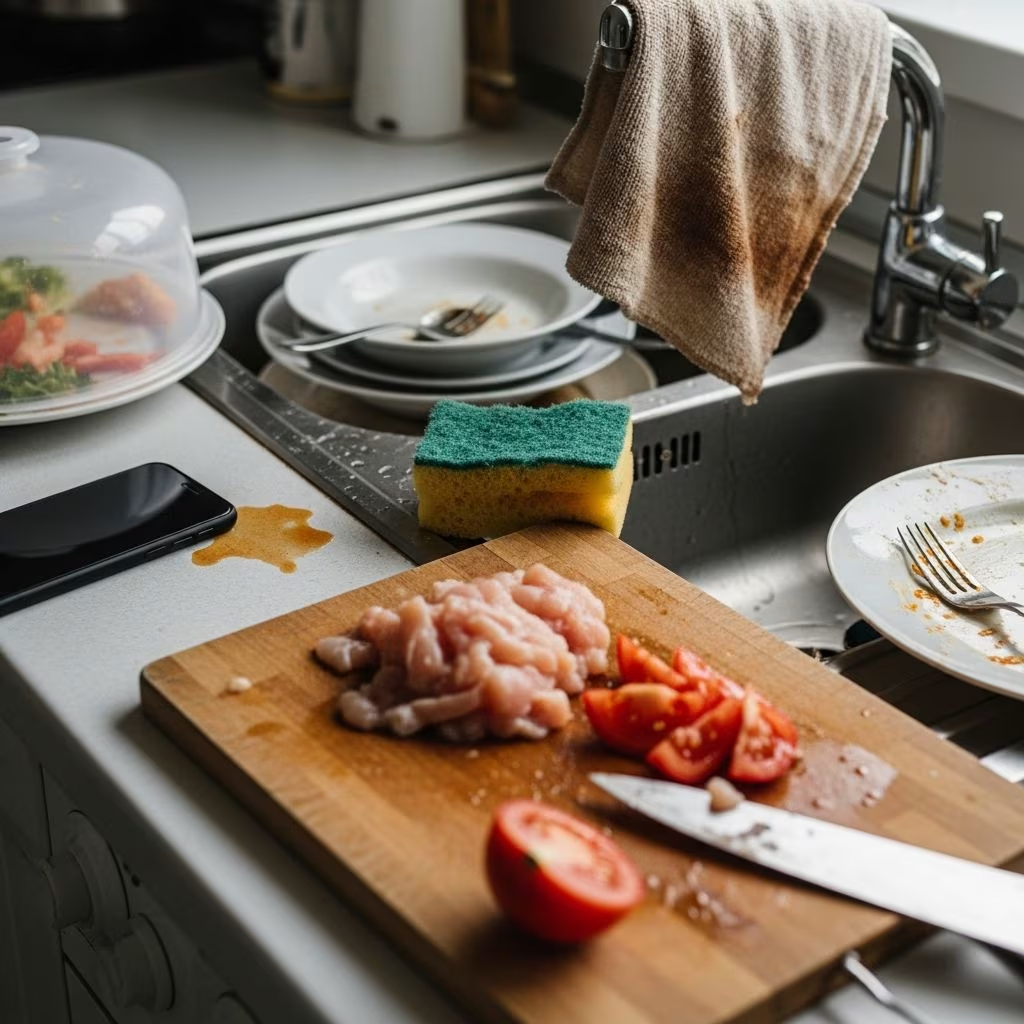
Food poisoning, or foodborne illness, affects millions annually, often stemming from simple kitchen habits that allow harmful bacteria like Salmonella, E. coli, and Listeria to thrive. According to the CDC, following core prevention steps—Clean, Separate, Cook, and Chill—can drastically reduce risks, yet many overlook these in daily routines. This article explores 12 common habits that elevate your chances of illness, drawing from authoritative guidelines to help you cook safely.
Not Washing Your Hands Properly
Skipping thorough handwashing before handling food is a top culprit in spreading germs. The CDC recommends washing hands with soap for at least 20 seconds before, during, and after food prep, as bacteria can linger on skin and transfer to surfaces. Mayo Clinic echoes this, advising washes after toilet use, before eating, and post-raw meat handling.
- Wet hands with clean, running water (warm or cold).
- Lather with soap for 20 seconds, scrubbing backs of hands, between fingers, and under nails.
- Rinse thoroughly and dry with a clean towel.
Studies show improper handwashing contributes to 20-30% of home foodborne outbreaks. Use a timer or sing ‘Happy Birthday’ twice to ensure adequacy.
Using the Same Cutting Board for Raw Meats and Produce
Cross-contamination occurs when raw meats touch the same surface as ready-to-eat foods like veggies. CDC warns raw chicken, beef, pork, seafood, and eggs harbor pathogens that spread easily without separation. Designate color-coded boards: one for meats, another for produce.
| Food Type | Recommended Board Color | Cleaning Method |
|---|---|---|
| Raw Meats/Poultry | Red | Hot soapy water, sanitize with bleach solution |
| Produce | Green | Running water rinse post-use |
| Bread/Ready-to-Eat | Yellow | Hot soapy water |
| Fish/Seafood | Blue | Diluted bleach or dishwasher |
Wash boards with hot, soapy water after each use; replace if deeply grooved.
Not Cooking Foods to the Proper Temperature
Undercooking kills beneficial bacteria insufficiently. Use a food thermometer: poultry and reheated leftovers to 165°F, ground meats to 160°F, whole cuts/fish to 145°F (rest 3 minutes). Color or texture alone misleads—e.g., pink poultry may be safe if heated properly.
- Insert thermometer into thickest part, avoiding bone.
- For microwaves, let stand to eliminate cold spots.
Mayo Clinic stresses this for vulnerable groups like pregnant women and elderly.
Leaving Perishables Out Too Long
The ‘Danger Zone’ (40°F-140°F) lets bacteria double every 20 minutes. Never leave perishables out over 2 hours (1 hour if above 90°F). Refrigerate promptly.
Tip: Follow the 2-Hour Rule religiously during picnics or potlucks.
Ignoring Use-By and Expiration Dates
Though not foolproof, dates indicate peak quality/safety. CDC advises ‘when in doubt, throw it out,’ especially for deli meats, soft cheeses prone to Listeria. Mayo Clinic recommends discarding moldy soft foods entirely, trimming firm ones by 1 inch.
Not Cleaning Kitchen Surfaces Regularly
Germs survive on counters, sinks, and sponges. Clean with hot soapy water; sanitize fridge monthly using baking soda or bleach solutions. Replace sponges weekly or dishwasher-sanitize.
Washing Raw Chicken or Meat
Counterintuitively, rinsing raw poultry splatters germs up to 3 feet, contaminating sinks and counters. CDC states: Do not wash raw chicken—cooking kills bacteria. Pat dry if needed.
Tasting Food Before It’s Fully Cooked
Dipping a spoon into simmering sauces or raw cookie dough risks ingesting pathogens from eggs/flour. Raw dough caused a 2016 E. coli outbreak affecting 75. Bake fully; use pasteurized eggs for no-bake treats.
Not Thawing Food Safely
Counter-thawing promotes bacterial growth. Safe methods: fridge (overnight), cold water (change every 30 min), or microwave (cook immediately). Avoid room temperature.
Overloading the Fridge or Freezer
Crowded appliances hinder air circulation, raising temps above 40°F fridge/0°F freezer. Use appliance thermometers; allow space for cold air flow.
Eating Risky Foods If You’re Vulnerable
Pregnant, elderly, young children, immunocompromised avoid raw/undercooked meats, unpasteurized dairy/juices, raw sprouts, soft cheeses. These groups face severe dehydration or systemic infections.
Not Washing Fruits and Vegetables Thoroughly
Produce can carry E. coli/Salmonella from soil/handling. Rinse under running water; scrub firm items. No soap needed.
Reusing Grocery Bags for Meats and Produce
Reusable bags harbor bacteria if not washed weekly in hot water. Use disposable for meats or separate reusables.
Frequently Asked Questions (FAQs)
What is the most common cause of food poisoning at home?
Cross-contamination and improper cooking temperatures top the list, per CDC data.
How can I tell if my fridge is cold enough?
Place an appliance thermometer inside; aim for 40°F or below.
Is it safe to eat food left out overnight?
No—discard if out over 2 hours to avoid bacterial growth.
Do I need to wash bagged salad greens?
Yes, rinse even pre-washed produce under running water.
Can food poisoning be prevented 100%?
Not entirely, but strict adherence to Clean, Separate, Cook, Chill reduces risk significantly.
By ditching these habits, you safeguard health. Vulnerable groups should consult doctors for personalized advice. Empower your kitchen with vigilance—safe eating starts with awareness.
References
- Preventing Food Poisoning | Food Safety — Centers for Disease Control and Prevention (CDC). Accessed 2026. https://www.cdc.gov/food-safety/prevention/index.html
- Food poisoning (foodborne illness) – Symptoms and causes — Mayo Clinic Staff. 2025-08-16. https://www.mayoclinic.org/diseases-conditions/food-poisoning/symptoms-causes/syc-20356230
- Avoid summertime food poisoning with these easy tips — Health.mil. 2022-08-12. https://www.health.mil/News/Articles/2022/08/12/Avoid-summertime-food-poisoning-with-these-easy-tips