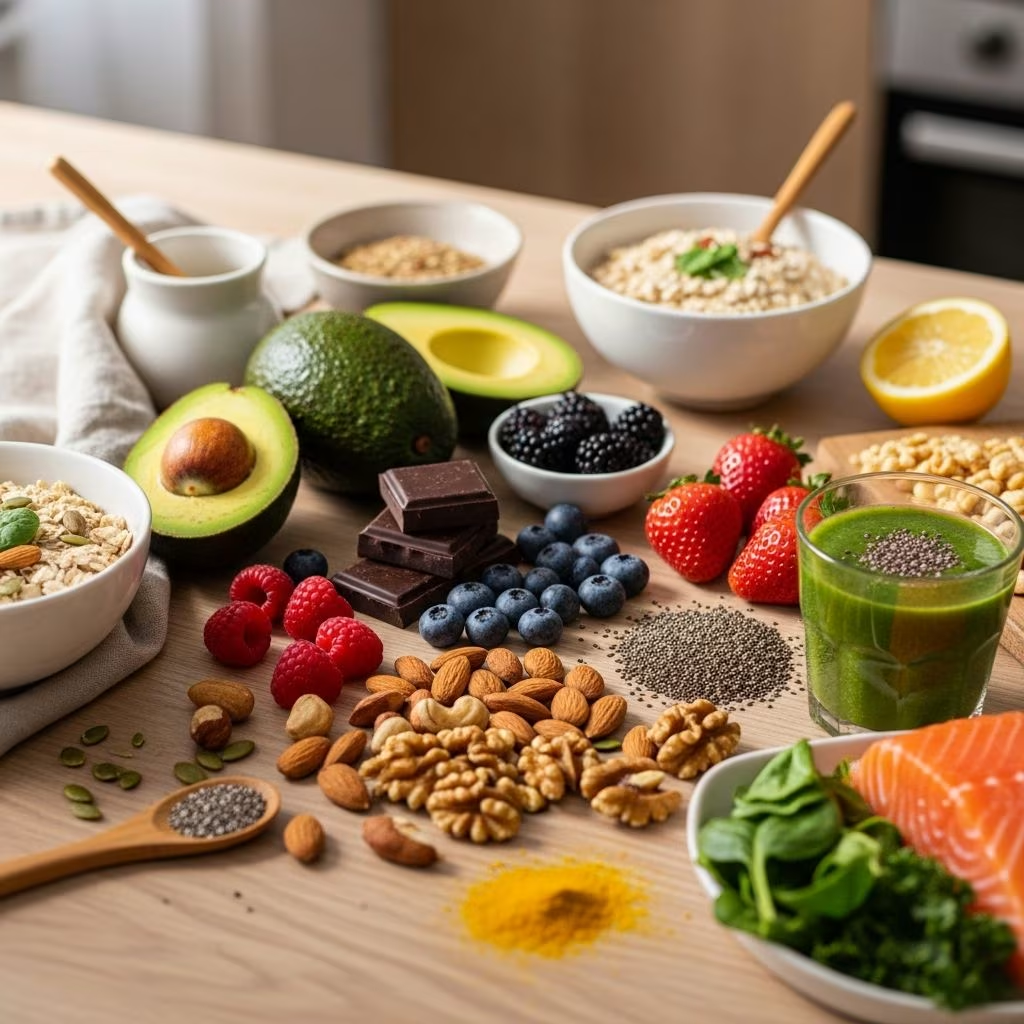
Nutrition plays a pivotal role in mental health, with specific foods providing essential nutrients that support neurotransmitter production, reduce inflammation, and foster a healthy gut-brain axis. Research shows balanced diets rich in fruits, vegetables, fish, and whole grains lower depression risk, while Western-style high-fat, sugary diets increase it. This article explores 12 key foods backed by science to naturally enhance mood and emotional well-being.
Why Diet Matters for Mental Health
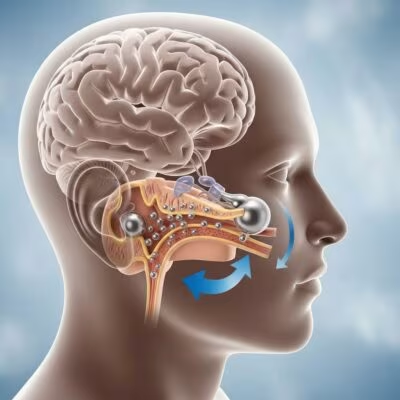
The gut-brain axis links digestive health to mood regulation via serotonin production—90% of which occurs in the gut. Nutrients like omega-3 fatty acids, antioxidants, magnesium, B vitamins, and probiotics combat oxidative stress, inflammation, and neurotransmitter imbalances associated with depression and anxiety. “Overall dietary pattern is more important than any one singular food for mental performance and emotional well-being,” notes U.S. Army Lt. Col. Tanisha Currie. Adopting patterns like the Mediterranean diet, high in fish, vegetables, fruits, nuts, and olive oil, correlates with reduced depressive symptoms.
“Eat the rainbow”—colorful fruits and vegetables—for antioxidants that provide neuroprotection and mood regulation. Foods combat stress through zinc, magnesium, vitamins C, B, and E, aiding serotonin production. Avoiding high-fat, high-sugar processed foods prevents exacerbation of mood issues.
1. Fatty Fish
Fatty fish like salmon, mackerel, sardines, and tuna are rich in omega-3 fatty acids (EPA and DHA), which reduce inflammation and support brain cell structure. Studies link higher omega-3 intake to lower depression rates; EPA particularly benefits major depressive disorder by enhancing antidepressant efficacy. Aim for 2–3 servings weekly. Grill or bake to preserve nutrients.
- Key nutrient: Omega-3s (1,000–2,000 mg EPA/DHA per serving)
- Mood benefit: Reduces symptoms by 20–30% in trials
- Pro tip: Choose wild-caught for higher omega-3 content
2. Berries
Blueberries, strawberries, and blackberries pack anthocyanins and vitamin C, potent antioxidants that cross the blood-brain barrier to fight oxidative stress linked to depression. A meta-analysis shows fruit intake inversely associated with depression risk (RR 0.83). Berries also boost BDNF, a protein for neuron growth.
- Key nutrients: Antioxidants, vitamin C
- Mood benefit: Lowers depressive symptoms via neuroprotection
- Pro tip: Add to yogurt or smoothies daily
3. Fermented Foods
Yogurt, kefir, kimchi, sauerkraut, and kombucha contain probiotics that improve gut microbiota, influencing the gut-brain axis. Probiotics like Lactobacillus reuteri increase BDNF and alleviate depressive behaviors. Low gut bacteria diversity correlates with higher depression risk.
- Key benefit: Enhances serotonin production
- Mood benefit: Improves mental health scores
- Pro tip: Choose unsweetened, live-culture varieties
4. Nuts and Seeds
Almonds, walnuts, pistachios, chia, flax, and pumpkin seeds provide healthy fats, magnesium, zinc, and vitamin E. Magnesium aids serotonin production; zinc combats stress. Walnuts’ omega-3s and antioxidants support brain health.
- Key nutrients: Magnesium (80 mg/oz almonds), zinc
- Mood benefit: Reduces anxiety and stress
- Pro tip: Handful daily as a snack
5. Dark Leafy Greens
Spinach, kale, and Swiss chard are loaded with folate, magnesium, and antioxidants. Folate deficiency links to depression; these greens support serotonin synthesis. High intake associates with lower depression probability.
- Key nutrient: Folate (194 mcg/cup spinach)
- Mood benefit: Regulates mood via B vitamins
- Pro tip: Sauté or add to salads
6. Avocados
Avocados offer monounsaturated fats, B vitamins, vitamin K, and folate, promoting brain blood flow and neurotransmitter balance. Their healthy fats stabilize blood sugar, preventing mood dips.
- Key nutrients: Folate, vitamin B6
- Mood benefit: Supports dopamine and serotonin
- Pro tip: On toast or in salads
7. Eggs
Eggs provide choline for acetylcholine (mood regulation) and vitamin D, low levels of which link to depression. Whole eggs offer protein for sustained energy and stable mood.
- Key nutrient: Choline (147 mg/egg)
- Mood benefit: Enhances cognitive function
- Pro tip: Boiled or poached for breakfast
8. Dark Chocolate
70%+ cacao dark chocolate contains flavonoids that improve brain blood flow and endorphin release. It boosts serotonin and dopamine. Antioxidants reduce oxidative stress. Limit to 1 oz daily.
- Key benefit: Phenylethylamine for feel-good effects
- Mood benefit: Reduces stress hormones
- Pro tip: Pair with nuts
9. Turmeric
Curcumin in turmeric has anti-inflammatory, antidepressant effects comparable to Prozac in studies. It boosts BDNF and serotonin/dopamine. Black pepper enhances absorption.
- Key compound: Curcumin (500 mg effective dose)
- Mood benefit: Lowers depression by 65% in trials
- Pro tip: In golden milk or curries
10. Green Tea
Rich in L-theanine and EGCG, green tea promotes relaxation without drowsiness and protects neurons. Polyphenols negatively associate with depression. 2–3 cups daily.
- Key nutrient: L-theanine (calms brain waves)
- Mood benefit: Reduces anxiety
- Pro tip: Brew fresh, avoid sugar
11. Beans and Lentils
These legumes supply fiber, folate, magnesium, and prebiotics for gut health. Stable blood sugar prevents irritability; B vitamins aid mood regulation.
- Key nutrients: Magnesium, fiber
- Mood benefit: Supports serotonin production
- Pro tip: In soups or salads
12. Oats
Oats offer complex carbs for serotonin boost, plus B vitamins and fiber. Beta-glucan stabilizes blood sugar, averting mood swings.
- Key benefit: Steady energy release
- Mood benefit: Improves stress response
- Pro tip: Overnight oats with berries
Sample Mood-Boosting Meal Plan
| Meal | Foods | Key Nutrients |
|---|---|---|
| Breakfast | Oatmeal with berries, nuts, yogurt | Fiber, probiotics, antioxidants |
| Lunch | Salmon salad with leafy greens, avocado | Omega-3s, folate, healthy fats |
| Snack | Apple with almond butter, dark chocolate | Magnesium, flavonoids |
| Dinner | Stir-fried tofu, beans, turmeric veggies, green tea | Curcumin, prebiotics, L-theanine |
Frequently Asked Questions (FAQs)
What is the best diet pattern for mood?
The Mediterranean diet—rich in fish, fruits, vegetables, nuts, and whole grains—lowers depression risk. Japanese and Tuscan diets also show benefits.
Can food alone treat depression?
Foods support mood but aren’t substitutes for therapy or medication. Combine with professional care.
How much fatty fish should I eat?
2–3 servings (3–4 oz each) weekly for optimal omega-3s.
Do probiotics really boost mood?
Yes, strains like Lactobacillus improve symptoms via gut-brain axis.
What’s the role of sugar in mood?
Sugar-sweetened drinks increase depression risk; avoid them.
References
- Foods for Your Mood: Nutrition Helps with Emotional Well-Being — Health.mil (U.S. Department of Defense). 2025-07-28. https://health.mil/News/Articles/2025/07/28/Foods-for-Your-Mood-Nutrition-Helps-with-Emotional-Well-Being
- Linking What We Eat to Our Mood: A Review of Diet, Dietary Antioxidants, and Depression — PMC (National Library of Medicine). 2019-09-25. https://pmc.ncbi.nlm.nih.gov/articles/PMC6769512/