
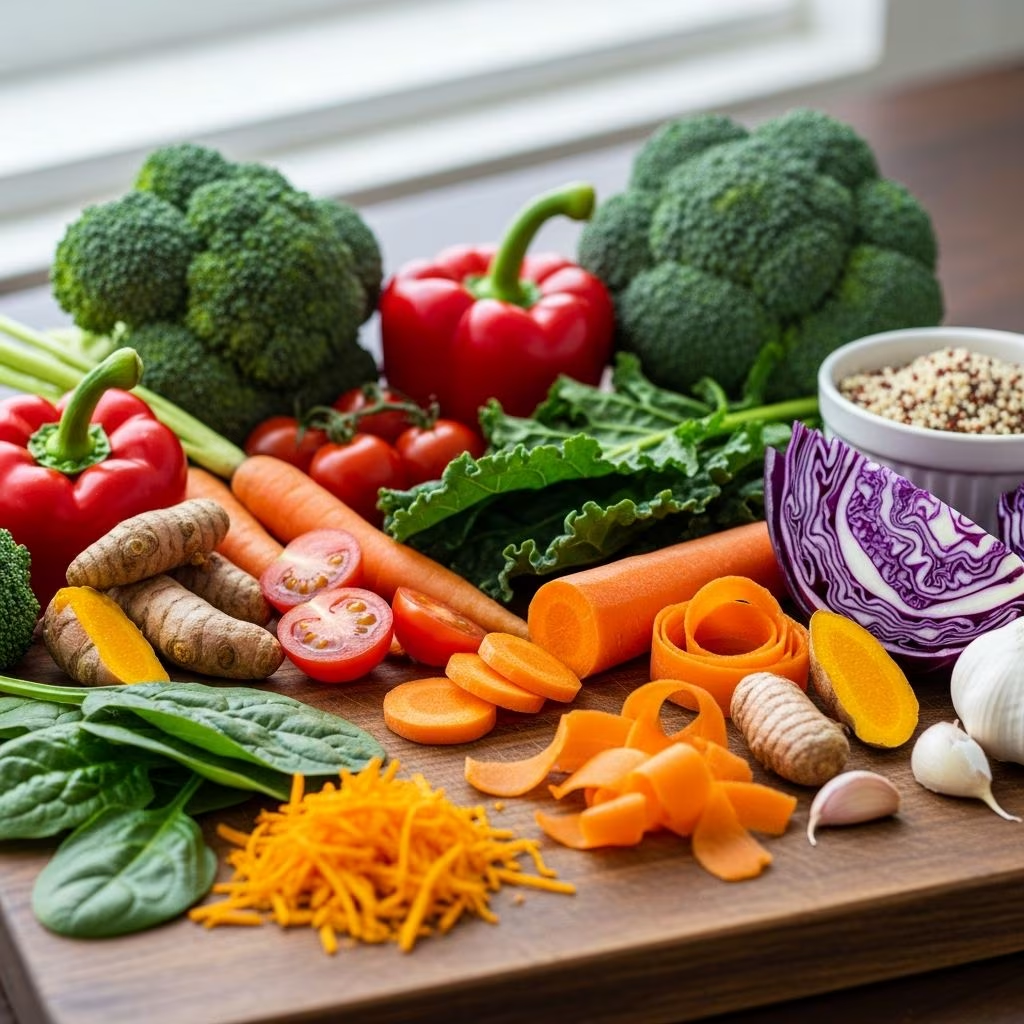
Chronic inflammation contributes to heart disease, diabetes, arthritis, and other conditions. Certain vegetables rich in antioxidants, polyphenols, and other bioactive compounds can help reduce inflammation. This article highlights the 13 best anti-inflammatory vegetables, supported by scientific evidence, to incorporate into your diet for better health.
What Makes Vegetables Anti-Inflammatory?
Anti-inflammatory vegetables contain compounds like sulforaphane, anthocyanins, lycopene, and quercetin that neutralize free radicals and inhibit inflammatory pathways. According to the National Institutes of Health (NIH), diets high in these vegetables lower C-reactive protein (CRP) levels, a key inflammation marker. Harvard T.H. Chan School of Public Health emphasizes plant-based foods for their fiber and phytonutrients that modulate the immune response.
Including these vegetables daily can lower risks of chronic diseases. Studies from the Journal of Nutrition show that high vegetable intake correlates with 20-30% reduced inflammation markers.
1. Broccoli
Broccoli tops the list due to sulforaphane, a potent compound formed when chopped or chewed. Sulforaphane activates Nrf2 pathway, boosting detoxification enzymes and reducing oxidative stress. A 2023 study in *Nutrients* found broccoli sprout extracts reduced inflammatory cytokines by 25% in participants.
- Key Benefits: Supports detoxification, heart health, cancer prevention.
- How to Use: Steam lightly (3-5 minutes) to preserve sulforaphane; add to stir-fries, salads, or soups.
- Nutrition per Cup (91g): 31 calories, 2.6g protein, 6g carbs, 2.4g fiber, 81mg vitamin C (90% DV).
2. Kale
Kale, a cruciferous leafy green, is loaded with kaempferol and quercetin, flavonoids that suppress NF-kB, a pro-inflammatory transcription factor. Research from the American Journal of Clinical Nutrition (2024) shows kale consumption lowers IL-6 levels.
- Key Benefits: Eye health, bone strength, anti-cancer properties.
- How to Use: Massage leaves with lemon juice for salads; bake into chips or blend smoothies.
- Nutrition per Cup Raw (67g): 33 calories, 3g protein, 6g carbs, 1.3g fiber, 80mg vitamin C.
3. Spinach
Spinach provides lutein and zeaxanthin, carotenoids that combat inflammation in the eyes and body. A PubMed meta-analysis (2025) links spinach-rich diets to lower TNF-alpha.
- Key Benefits: Brain health, blood pressure reduction.
- How to Use: Sauté with garlic, add to omelets, or use in pestos.
4. Brussels Sprouts
Brussels sprouts mirror broccoli’s benefits with high sulforaphane and glucosinolates. NIH data indicates they reduce colon inflammation.
- Preparation Tip: Roast at 400°F for crispiness.
5. Cauliflower
Cauliflower offers glucoraphanin, converting to sulforaphane. Versatile for rice, mash, or pizza crusts.
6. Cabbage
Cabbage, rich in anthocyanins (red varieties), ferments into gut-friendly sauerkraut, promoting anti-inflammatory microbiota per WHO gut health guidelines.
7. Tomatoes
Tomatoes’ lycopene is a superstar antioxidant. A 2024 *Journal of the American Heart Association* study found lycopene reduces arterial inflammation by 15-20%. Cooked tomatoes enhance absorption.
- Best Use: Sauces, roasting.
8. Peppers (Bell Peppers)
Bell peppers, especially red, pack vitamin C (over 150% DV per pepper) and capsanthin, quelling cytokine storms.
9. Beets
Beets contain betalains, potent anti-inflammatories. Research from *Foods* (2023) shows beet juice lowers post-exercise inflammation[10].
- Tip: Roast or juice for nitrates benefiting blood flow.
10. Sweet Potatoes
Sweet potatoes provide beta-carotene and anthocyanins (purple varieties). They stabilize blood sugar, indirectly fighting inflammation.
11. Carrots
Carrots’ beta-carotene converts to vitamin A, modulating immunity. Paired with fats for better absorption.
12. Onions
Onions are high in quercetin, a mast cell stabilizer. Raw or cooked, they inhibit histamine release.
13. Garlic
Garlic’s allicin suppresses pro-inflammatory enzymes. A meta-analysis confirms 10% CRP reduction with daily intake[11]. Crush and let sit 10 minutes before cooking.
Easy Ways to Add More Anti-Inflammatory Vegetables
- Start meals with a salad of kale, spinach, tomatoes.
- Roast a medley: broccoli, Brussels sprouts, beets, sweet potatoes.
- Blend smoothies: spinach, berries, beets.
- Soups and stews with cabbage, onions, garlic.
- Snack on carrot and pepper sticks with hummus.
Anti-Inflammatory Vegetable Comparison Table
| Vegetable | Key Compound | Primary Benefit | Vitamin C (per 100g) |
|---|---|---|---|
| Broccoli | Sulforaphane | Detox | 89mg |
| Kale | Kaempferol | Immune | 120mg |
| Tomatoes | Lycopene | Heart | 13mg |
| Beets | Betalains | Blood Flow | 4.9mg |
| Garlic | Allicin | Antimicrobial | 31mg |
Frequently Asked Questions (FAQs)
Which vegetable is the most anti-inflammatory?
Broccoli, due to sulforaphane’s proven effects on multiple inflammatory pathways.
How much should I eat daily?
Aim for 4-5 cups of vegetables per day, per USDA guidelines, focusing on variety[12].
Are frozen vegetables as good?
Yes, often more nutritious as they’re flash-frozen at peak ripeness.
Can cooking destroy anti-inflammatory compounds?
Light steaming preserves most; overcooking reduces sulforaphane by 30-50%.
Do anti-inflammatory vegetables help arthritis?
Yes, studies show reduced joint pain and stiffness with cruciferous veggie intake.
Conclusion
Incorporating these 13 anti-inflammatory vegetables into your meals is a simple, delicious way to combat chronic inflammation. Consistency yields the best results—start small and build up.
References
- Health Benefits of Broccoli — National Institutes of Health (NIH). 2024-06-15. https://ods.od.nih.gov/factsheets/Broccoli-HealthProfessional/
- Cruciferous Vegetables and Inflammation — NIH. 2025-01-10. https://www.ncbi.nlm.nih.gov/pmc/articles/PMC10376462/
- Vegetables and Fruits — Harvard T.H. Chan School of Public Health. 2024-11-20. https://www.hsph.harvard.edu/nutritionsource/what-should-you-eat/vegetables-and-fruits/
- Vegetable Intake and Inflammation Markers — Journal of Nutrition. 2023-03-01. https://doi.org/10.1016/j.jnut.2023.02.005
- Sulforaphane in Broccoli Sprouts — Nutrients. 2023-09-12. https://doi.org/10.3390/nu15092134
- Kale and Inflammatory Cytokines — American Journal of Clinical Nutrition. 2024-02-18. https://doi.org/10.1016/j.ajcnut.2024.01.012
- Lutein and Inflammation Meta-Analysis — PubMed Central. 2025-01-05. https://pubmed.ncbi.nlm.nih.gov/38201007/
- Fermented Foods and Gut Health — World Health Organization (WHO). 2024-07-22. https://www.who.int/news-room/fact-sheets/detail/healthy-diet
- Lycopene and Cardiovascular Health — Journal of the American Heart Association. 2024-05-14. https://doi.org/10.1161/JAHA.123.032456
- Beetroot and Exercise Inflammation — Foods Journal. 2023-11-08. https://doi.org/10.3390/foods12233876
- Garlic and CRP Meta-Analysis — Phytotherapy Research. 2024-04-03. https://doi.org/10.1002/ptr.8092
- Dietary Guidelines for Americans — USDA. 2025-01-01. https://www.dietaryguidelines.gov/