
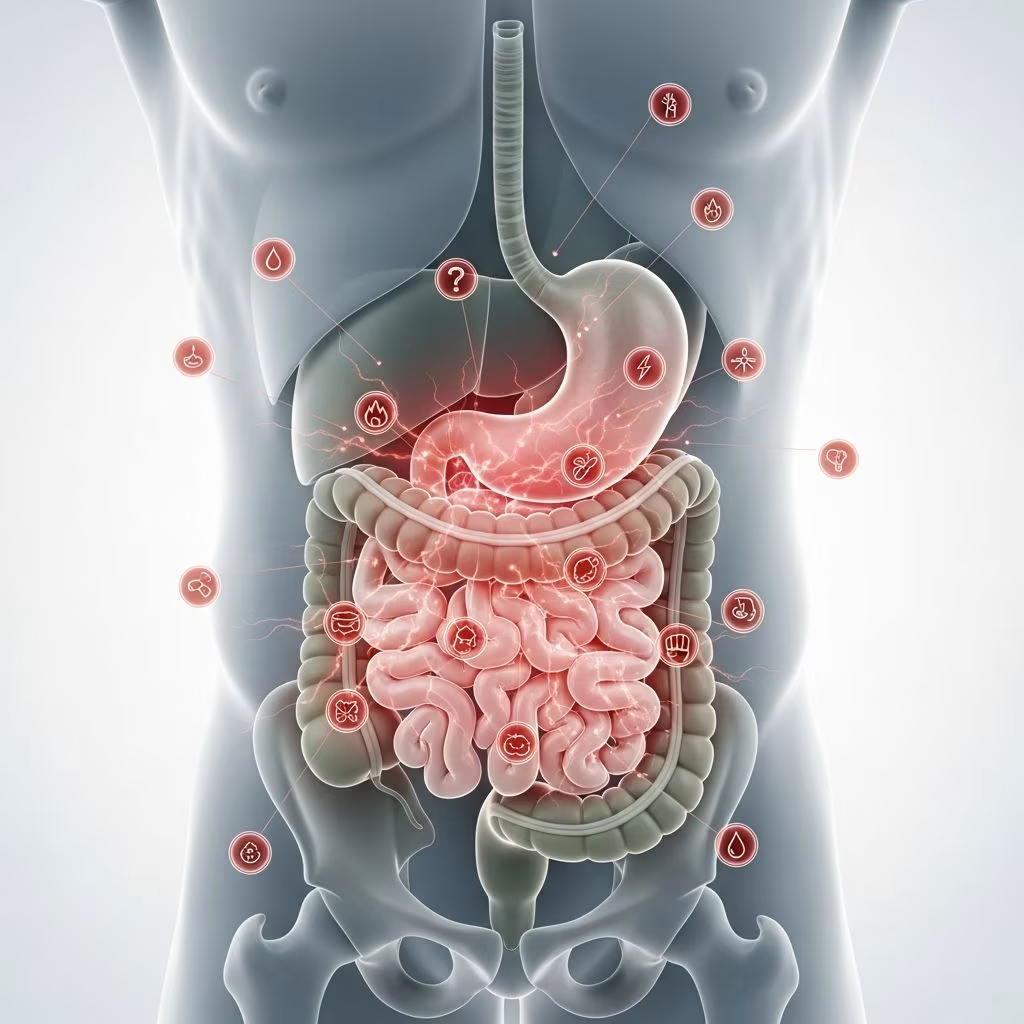
Inflammatory bowel disease (IBD) encompasses chronic conditions like Crohn’s disease and ulcerative colitis, affecting the gastrointestinal tract with inflammation leading to flares and remissions. Individuals often experience multiple gastrointestinal (GI) symptoms such as diarrhea, abdominal pain, cramping, and bloody stool, alongside non-GI issues like fatigue. Early recognition of these IBD symptoms is crucial for timely intervention and better management.
What Is Inflammatory Bowel Disease (IBD)?
IBD refers to chronic inflammatory disorders of the digestive tract, primarily Crohn’s disease (affecting any GI part, often small intestine) and ulcerative colitis (limited to colon and rectum). Unlike IBS, IBD causes visible inflammation and ulcers. Prevalence affects about 1.3% of U.S. adults, with emerging adults reporting high symptom burden. Symptoms arise from immune-mediated inflammation, leading to flares (active disease) and remissions.
13 Common IBD Symptoms
IBD manifests through a range of GI and extraintestinal symptoms. Here’s a breakdown of the 13 key signs, ranked by prevalence in studies of emerging adults.
1. Fatigue
The most prevalent and severe IBD symptom, affecting 72.1% of emerging adults with IBD. Fatigue involves overwhelming tiredness and lack of energy, interfering most with daily activities. It’s not just treatment-related; even newly diagnosed patients experience it. Associated with GI symptoms like cramps and pain.
2. Abdominal Pain
Reported by 63.9% of patients, this cramping pain often occurs in lower right abdomen (Crohn’s) or diffusely. Pain severity correlates with inflammation and can wake patients at night.
3. Abdominal Cramps
Also 63.9% prevalence, these spasms result from bowel inflammation and motility issues. Cramps often precede diarrhea and worsen during flares.
4. Diarrhea
Affecting 62.3%, chronic diarrhea (loose, frequent stools) stems from impaired absorption and inflammation. Nocturnal diarrhea signals active disease.
5. Bloating and Gas
Excessive passing gas and bloating from bacterial overgrowth and poor digestion. Common in small bowel Crohn’s.
6. Blood in Stool
Visible red blood or black, tarry stools indicate bleeding ulcers, more common in ulcerative colitis but possible in Crohn’s.
7. Urgent Need to Move Bowels
Tenesmus, or feeling of incomplete evacuation, especially in ulcerative colitis due to rectal inflammation.
8. Weight Loss
Unintentional loss from malabsorption, reduced appetite, and increased metabolism during inflammation.
9. Loss of Appetite
Anorexia linked to pain, nausea, and cytokines driving inflammation.
10. Nausea and Vomiting
From partial obstructions (Crohn’s strictures) or severe inflammation.
11. Fever
Low-grade during flares, higher with complications like abscesses.
12. Joint Pain
Extraintestinal: peripheral arthritis in 20-30% of IBD patients, mirroring bowel activity.
13. Skin Rashes
Erythema nodosum or pyoderma gangrenosum as extraintestinal manifestations.
How IBD Symptoms Differ From IBS
| Symptom/Feature | IBD (Crohn’s/UC) | IBS |
|---|---|---|
| Blood in stool | Common | Rare |
| Weight loss | Frequent | Uncommon |
| Fever/fatigue | Present | Absent |
| Endoscopy findings | Ulcers/inflammation | Normal |
| Systemic symptoms | Yes (joints, skin) | No |
While both involve abdominal pain and diarrhea, IBD shows alarming symptoms like bleeding and weight loss, warranting colonoscopy for diagnosis.
IBD Symptoms in Children vs. Adults
Children may present with growth failure, delayed puberty alongside classic symptoms. Adults report more fatigue and joint issues. Emerging adults (18-29) show highest fatigue prevalence (72%).
When to See a Doctor for IBD Symptoms
- Persistent diarrhea (>6 weeks) or blood in stool
- Unexplained weight loss >5% body weight
- Severe abdominal pain or fever >101°F
- New joint pain, rashes, or eye inflammation
- Symptoms not responding to OTC treatments
Seek emergency care for dehydration, severe bleeding, or obstruction signs (vomiting, distension).
Causes of IBD Symptoms
Symptoms stem from chronic mucosal inflammation driven by genetic (over 200 loci), environmental (smoking worsens Crohn’s), microbial dysbiosis, and immune dysregulation. Cytokines like TNF-α amplify inflammation, causing tissue damage and symptoms.
Diagnosis of IBD
Involves blood tests (anemia, CRP), stool calprotectin, endoscopy/colonoscopy with biopsy, imaging (CT/MRI enterography). Rules out infections/Celiac.
Treatment for IBD Symptoms
- Aminosalicylates: For mild UC
- Corticosteroids: Acute flares
- Immunomodulators/Biologics: Anti-TNF (infliximab) for moderate-severe
- Surgery: Colectomy for refractory UC
- Symptom relief: Antidiarrheals, antispasmodics, nutrition
Fatigue management targets inflammation and sleep.
Living With IBD Symptoms
Track symptoms via apps, follow low-residue diet during flares, manage stress with mindfulness. Support groups aid coping. Multidisciplinary care improves quality of life.
Frequently Asked Questions (FAQs)
Are IBD symptoms constant?
No, they occur in flares with remission periods. Fatigue persists even in remission.
Can diet cure IBD symptoms?
Diet manages symptoms (e.g., low-FODMAP) but doesn’t cure underlying inflammation.
Is IBD fatal?
Rarely, with modern treatments; complications like colorectal cancer risk managed via surveillance.
Does stress cause IBD flares?
Stress exacerbates symptoms but doesn’t initiate IBD.
How is fatigue treated in IBD?
Control inflammation, exercise, sleep hygiene; it’s the most interfering symptom.
References
- Symptoms Among Emerging Adults With Inflammatory Bowel Disease — Janna Stephens et al. 2020-01-15. https://pmc.ncbi.nlm.nih.gov/articles/PMC6954301/
- Inflammatory Bowel Disease — Crohn’s & Colitis Foundation. 2024-06-01. https://www.crohnscolitisfoundation.org/what-is-ibd
- Ulcerative Colitis – Diagnosis and treatment — Mayo Clinic. 2025-03-10. https://www.mayoclinic.org/diseases-conditions/ulcerative-colitis/diagnosis-treatment/drc-20353331
- Crohn’s Disease — NIH/NIDDK. 2023-11-20. https://www.niddk.nih.gov/health-information/digestive-diseases/crohns-disease
- Management of Inflammatory Bowel Disease — World Gastroenterology Organisation. 2024-02-14. https://www.worldgastroenterology.org/guidelines/management-of-inflammatory-bowel-disease