
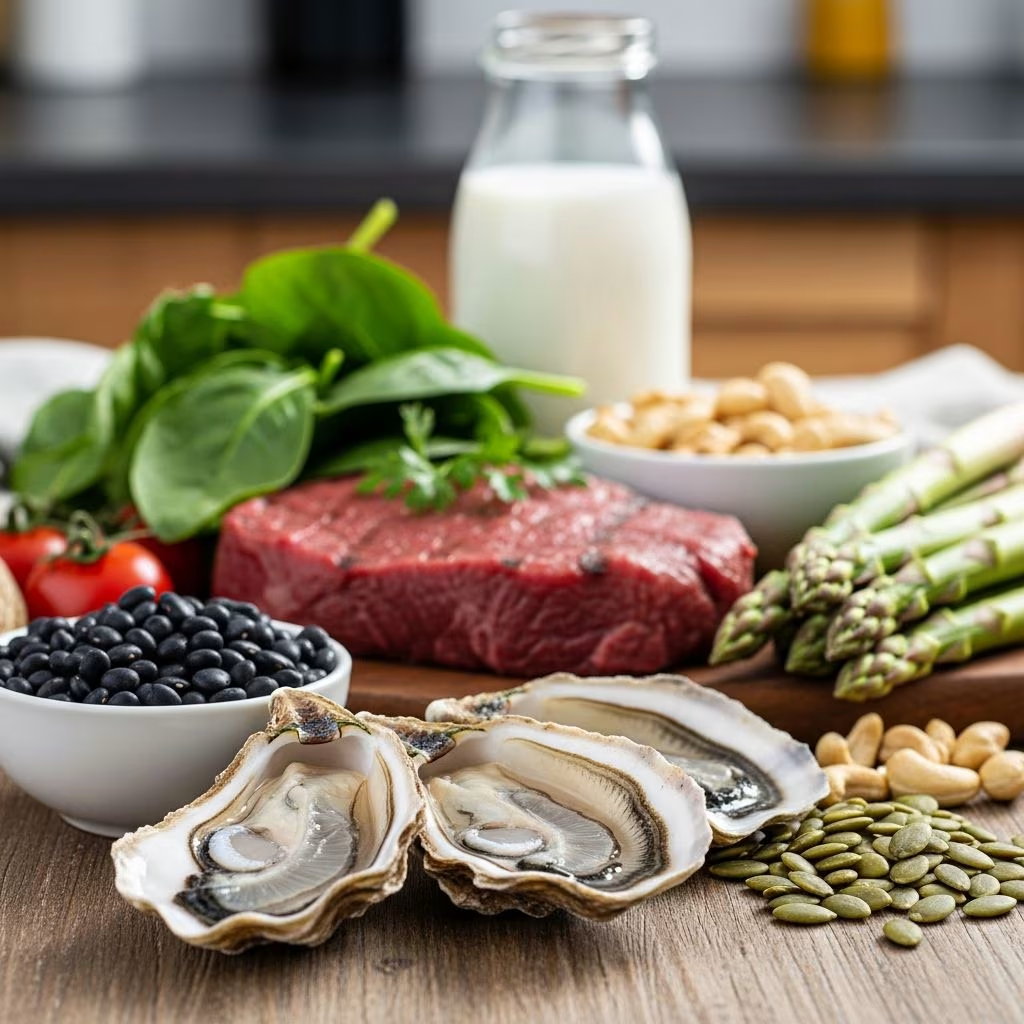
Zinc is an essential mineral vital for immune function, wound healing, DNA synthesis, and sensory functions like taste and smell. Adults need 8–11 mg daily, with higher amounts during pregnancy, lactation, or illness to support recovery. Foods like oysters, red meat, seeds, and legumes provide highly bioavailable zinc, outperforming supplements for most people.
What Is Zinc and Why Do You Need It?
Zinc, a trace mineral, supports over 300 enzymes and is crucial for immune cell development, protein synthesis, and cell division. It acts as an antioxidant, protecting cells from damage, and aids in maintaining skin integrity and mucous membranes as immune barriers.
Deficiency risks include weakened immunity, slow healing, hair loss, diarrhea, and loss of appetite, especially in vegetarians, pregnant individuals, or those with gut disorders due to phytates in plants reducing absorption. The body cannot store zinc, so daily intake from diet is essential.
How Much Zinc Do You Need?
Recommended Dietary Allowances (RDAs) from the NIH are:
- Adult men: 11 mg/day
- Adult women: 8 mg/day
- Pregnant women: 11 mg/day
- Lactating women: 12 mg/day
- Children (ages 9–13): 8 mg/day
Upper limit is 40 mg/day to avoid nausea or copper interference. Animal sources offer better absorption than plant-based ones.
18 Top Zinc-Rich Foods
Incorporate these foods to meet zinc needs. Values are approximate per serving.
| Food | Serving Size | Zinc (mg) | % DV (11 mg) |
|---|---|---|---|
| Oysters (cooked) | 3 oz (6 medium) | 32–74 | 2910–6727% |
| Beef (chuck roast, cooked) | 3 oz | 8.44 | 767% |
| Crab (cooked) | 3 oz | 7.62 | 693% |
| Pork chop (cooked) | 4 oz | 2 | 182% |
| Lobster (cooked) | 3 oz | 6.18 | 562% |
| Pumpkin seeds | 1 oz (30g) | 2–4.7 | 182–427% |
| Wheat germ (toasted) | ¼ cup | 4.7 | 427% |
| Hemp seeds (hulled) | 3 Tbsp | 2.9 | 264% |
| Lentils (cooked) | 1 cup | 2.5 | 227% |
| Chickpeas (cooked) | 1 cup | 2.5 | 227% |
| Mussels (steamed) | 3 oz | 2.3 | 209% |
| Yogurt (plain, low-fat) | 1 cup | 2.2 | 200% |
| Cashews | 1 oz (28g) | 1.6–3.5 | 145–318% |
| Almonds | 1 oz (28g) | 0.9–3.5 | 82–318% |
| Eggs | 2 large | 1.5 | 136% |
| Cheese (cheddar) | 2 slices | 1 | 91% |
| Milk (1% fat) | 1 cup | 1 | 91% |
| Oats (cooked) | ½ cup | 1.3 | 118% |
Seafood Superstars
Oysters top the list with up to 74 mg per 3 oz, far exceeding daily needs. Crab, lobster, and mussels also excel, providing B12 and iron alongside zinc.
Meat Powerhouses
Red meat like beef delivers 8.44 mg per 3 oz, with pork at 2 mg per chop. These heme sources absorb efficiently.
Plant-Based Options
Pumpkin seeds, hemp seeds, lentils, chickpeas, cashews, and wheat germ suit vegetarians, though phytates lower bioavailability—pair with vitamin C foods.
Dairy and Eggs
Yogurt (2.2 mg/cup), milk, cheese, and eggs offer accessible zinc for all diets.
Benefits of Zinc
- Immune Support: Zinc enables immune cell production and reduces infection duration; lozenges shorten colds by 33%.
- Wound Healing: Accelerates skin repair and collagen synthesis.
- DNA and Protein Synthesis: Essential for growth and cell division.
- Sensory Functions: Maintains taste, smell, and vision.
- Antioxidant Protection: Stabilizes proteins and fights oxidative stress.
Zinc Deficiency: Signs and Who’s at Risk
Common signs: impaired immunity, diarrhea, hair loss, appetite loss, slow healing. At-risk groups: vegetarians (phytates), pregnant/lactating women, alcoholics, elderly, those with GI diseases. Diagnosis via blood tests; treat with diet or supplements under medical guidance.
Vegetarian and Vegan Zinc Sources
Focus on seeds (pumpkin, hemp), legumes (lentils, chickpeas, beans), nuts (cashews, almonds), grains (oats, wheat germ), and fortified foods. Soak or sprout to reduce phytates; aim 50% higher intake for absorption. Tofu (1.8 mg/4 oz) and quinoa help too.
Enhancing Zinc Absorption
- Avoid excess calcium, iron, or phytates with zinc meals.
- Pair plants with citrus or meat for better uptake.
- Cook legumes/seeds to lower inhibitors.
Sample Daily Meal Plan for Zinc
- Breakfast: Yogurt with hemp seeds and oats (4 mg).
- Lunch: Chickpea salad with pumpkin seeds (5 mg).
- Dinner: Beef stir-fry or lentil curry with cashews (7 mg).
- Snack: Cheese and almonds (2 mg).
- Total: ~18 mg.
Frequently Asked Questions
Can zinc boost my immunity?
Yes, zinc supports immune cell function and may shorten colds.
Are plant foods good zinc sources?
They provide zinc but with lower absorption; increase portions and enhance with vitamin C.
Should I take zinc supplements?
Diet suffices for most; supplements for deficiency only, as excess causes side effects.
How do I know if I’m zinc deficient?
Symptoms include poor immunity and slow healing; consult a doctor for testing.
Is zinc safe during pregnancy?
Yes, at RDA levels (11–12 mg); supports fetal development.
References
- Foods high in zinc — healthdirect.gov.au. 2023. https://www.healthdirect.gov.au/foods-high-in-zinc
- 18 Foods Highest in Zinc, Plus Its Benefits — BODi. 2024. https://www.bodi.com/blog/foods-high-in-zinc-benefits
- Zinc – Health Professional Fact Sheet — NIH Office of Dietary Supplements (ods.od.nih.gov). 2025-06-02. https://ods.od.nih.gov/factsheets/Zinc-HealthProfessional/
- Foods High in Zinc and Why You Need It — WebMD. 2024. https://www.webmd.com/diet/foods-high-in-zinc
- Top Zinc-Rich Foods For Vegetarians — PharmEasy. 2023. https://pharmeasy.in/blog/top-18-zinc-rich-foods-for-vegetarians/
- Zinc: Benefits and Sources — BBC Good Food. 2024. https://www.bbcgoodfood.com/health/nutrition/what-zinc