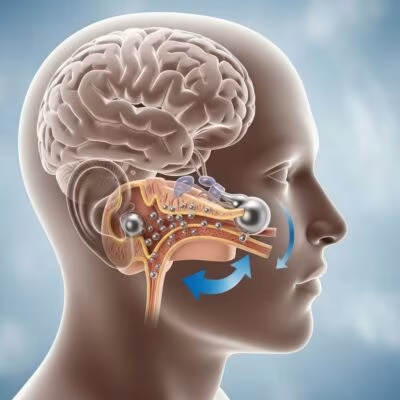
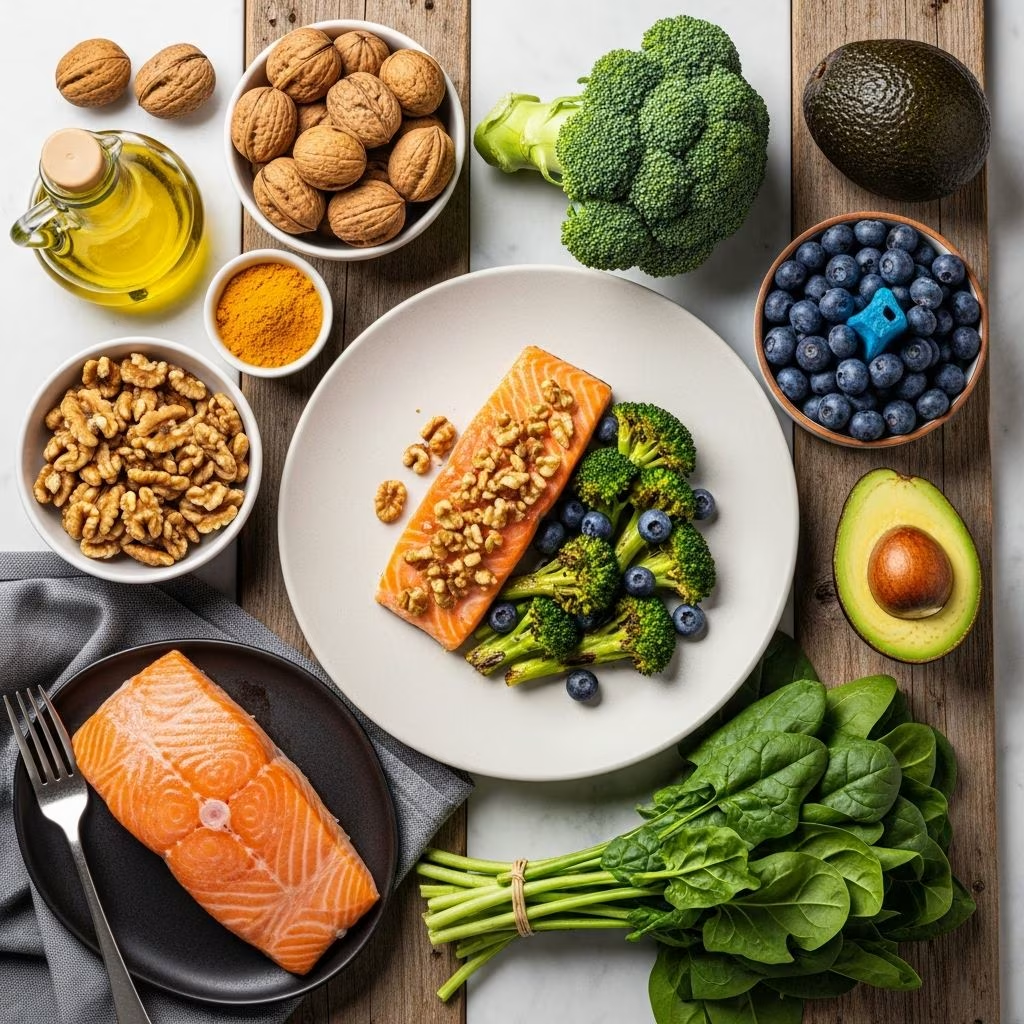
Supporting your brain health starts at the dinner table. These 30 recipes are packed with nutrients like omega-3 fatty acids from fish, antioxidants from berries and vegetables, healthy fats from nuts and avocados, and complex carbohydrates from whole grains—all key for cognitive function, memory, mood stability, and reducing inflammation. Drawing from evidence-based nutrition principles, these meals emphasize whole foods that nourish the gut-brain axis and promote serotonin production for better mental well-being.
Research highlights the diet-brain connection: Healthy fats keep brain cells functioning optimally, while complex carbs boost serotonin to stabilize mood. Processed foods correlate with higher depression risk, but whole-food diets improve focus and lower anxiety. Prioritize regular meals, hydration, balanced fats, proteins, fruits, veggies, and gut-friendly foods like yogurt for peak brain performance.
Why These Recipes Support Brain Health
The brain, which is 60% fat, relies on dietary fats like DHA from oily fish for structure and signaling. Leafy greens provide folate and vitamin K for cognitive protection, berries deliver flavonoids to combat oxidative stress, and nuts offer vitamin E as an antioxidant shield. Whole grains supply steady energy via complex carbs, preventing blood sugar crashes that impair mood and concentration.
- Omega-3s: Reduce inflammation and support neuron health (found in salmon, walnuts).
- Antioxidants: Protect against age-related decline (berries, dark chocolate).
- B Vitamins: Aid neurotransmitter production (eggs, spinach).
- Gut Support: Probiotics and fiber influence the microbiome-serotonin pathway (yogurt, beans).
Incorporate these into weekly rotations for sustained benefits. Each recipe serves 4, takes under 60 minutes, and highlights brain superfoods.
1. Salmon Recipes for Omega-3 Power
Salmon’s DHA is essential for brain cell membranes and mood regulation.
- Baked Salmon with Asparagus: Lemon-herb crusted salmon with roasted asparagus. 350 calories. Rich in omega-3s and vitamin E.
- Salmon Quinoa Bowls: Flaky salmon over quinoa, kale, and tahini dressing. Boosts serotonin with complex carbs.
- Teriyaki Salmon Stir-Fry: Ginger-soy salmon with broccoli and brown rice. Anti-inflammatory ginger aids focus.
2. Leafy Green Power Dinners
Spinach and kale supply lutein and folate to sharpen memory and slow cognitive decline.
- Spinach Chicken Stir-Fry: Garlic chicken with spinach, mushrooms, and farro. Protein stabilizes blood sugar.
- Kale and White Bean Soup: Hearty soup with kale, beans, and turkey sausage. Fiber supports gut health.
- Arugula Salmon Salad: Grilled salmon, arugula, beets, and walnuts. Walnuts add brain-boosting ALA omega-3s.
3. Berry-Infused Brain Boosters
Blueberries’ anthocyanins improve brain blood flow and memory.
- Blueberry BBQ Chicken: Grilled chicken with blueberry sauce, sweet potato mash. Antioxidants meet lean protein.
- Berry Quinoa Salad: Quinoa, mixed berries, feta, almonds, balsamic. Perfect light dinner.
- Strawberry Spinach Salad with Tuna: Tuna, strawberries, spinach, pecans. Quick and omega-rich.
4. Nutty and Seed-Packed Meals
Nuts provide vitamin E to guard against free radical damage.
- Walnut-Crusted Pork Tenderloin: Herb-walnut crust, green beans. Heart-healthy fats for brain.
- Almond Butter Tofu Stir-Fry: Tofu, broccoli, almonds in almond sauce. Plant-based omega-3s.
- Pistachio-Crusted Salmon: Pistachios, salmon, couscous. Zinc from nuts enhances cognition.
5. Whole Grain Brain Fuel
Brown rice and quinoa offer steady glucose for mental clarity.
- Brown Rice Veggie Bowl: Brown rice, edamame, carrots, avocado. Hydrating and balanced.
- Quinoa Stuffed Peppers: Peppers filled with quinoa, black beans, corn. Folate-rich.
- Farro Salmon: Farro pilaf with salmon and zucchini. Ancient grain power.
6. Egg and Poultry Brain Protectors
Eggs deliver choline for neurotransmitter acetylcholine.
- Chickpea Omelet: Chickpea flour omelet with veggies. Vegan choline source.
- Turkey Meatballs with Zucchini Noodles: Lean turkey, zoodles, tomato sauce. Low-carb mood stabilizer.
- Chicken Eggplant Parmesan: Baked chicken, eggplant, whole-grain crumbs. B-vitamin boost.
7. Vegetarian Brain Boosters
- Lentil Shepherd’s Pie: Lentils, veggies, mashed sweet potatoes. Plant protein for mood regulation.
- Broccoli Cheese Quesadilla: Whole-wheat tortilla, broccoli, cheddar. Quick calcium for nerve signaling.
- Sweet Potato Black Bean Bowl: Roasted sweet potatoes, beans, avocado. Complex carbs calm nerves.
Nutritional Breakdown Table
| Nutrient | Benefit | Key Recipe Sources |
|---|---|---|
| Omega-3s | Neuron health, anti-inflammation | Salmon, walnuts |
| Antioxidants | Memory protection | Berries, spinach |
| Complex Carbs | Serotonin boost | Quinoa, brown rice |
| Healthy Fats | Brain structure | Avocado, nuts |
| Folate/Vit K | Cognitive speed | Leafy greens |
Frequently Asked Questions (FAQs)
What foods should I eat daily for brain health?
Focus on oily fish, nuts, seeds, leafy greens, berries, whole grains, and probiotic yogurt. Avoid trans fats and excessive caffeine.
Can diet really improve mental health?
Yes, whole-food diets rich in complex carbs and healthy fats reduce depression risk and enhance mood via serotonin and gut-brain links.
How often should I eat salmon for omega-3s?
Aim for 2-3 servings weekly to meet DHA needs without mercury concerns.
Are vegetarian options brain-healthy?
Absolutely—lentils, quinoa, nuts, and seeds provide plant-based omegas and proteins.
What’s the best time for these dinners?
Early evening to aid digestion and sleep, supporting overnight brain repair.
These recipes make brain-healthy eating simple and flavorful. Rotate them weekly for variety and optimal nutrient intake. Consult a doctor for personalized advice.
References
- Eating Well for Mental Health — Michigan State University Extension (CANR). 2023-05-15. https://www.canr.msu.edu/news/eating-well-for-mental-health
- Dietary Guidelines for Americans, 2020-2025 — U.S. Department of Health and Human Services / USDA. 2020-12-31. https://www.dietaryguidelines.gov/sites/default/files/2020-12/Dietary_Guidelines_for_Americans_2020-2025.pdf
- Omega-3 Fatty Acids and Brain Health — National Institutes of Health (NIH), Office of Dietary Supplements. 2024-08-01. https://ods.od.nih.gov/factsheets/Omega3FattyAcids-HealthProfessional/
- MIND Diet and Cognitive Decline — Alzheimer’s Association. 2023-11-20. https://www.alz.org/research/for_researchers/mind-diet
- Gut-Brain Axis: Role of Diet — National Institute of Environmental Health Sciences (NIEHS). 2024-02-10. https://www.niehs.nih.gov/health/topics/science/microbiome