
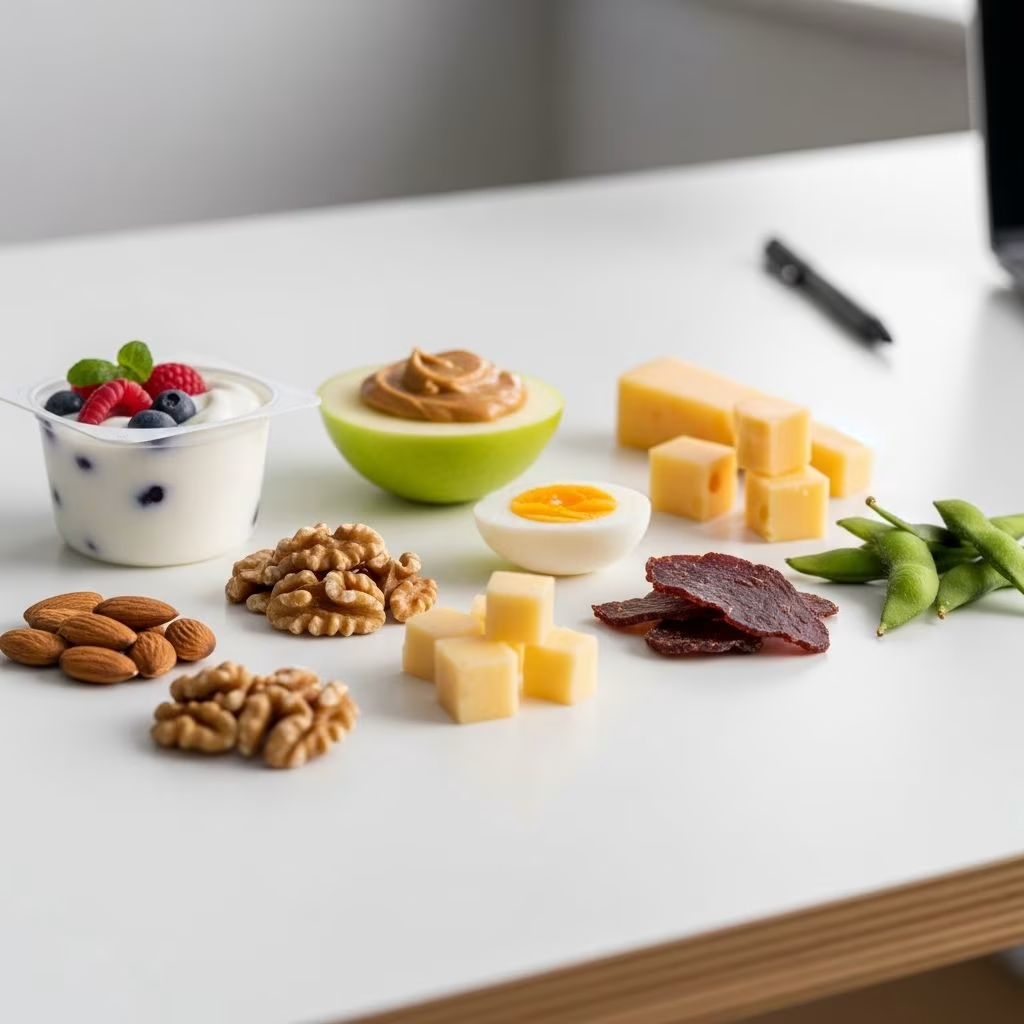
Navigating a busy workday often means battling mid-morning or afternoon hunger pangs. High-protein snacks are your best defense, offering sustained energy, improved focus, and reduced cravings. Protein helps maintain stable blood sugar levels, promotes fullness, and supports muscle repair—essential for anyone juggling deadlines and desk time. According to nutrition guidelines from the U.S. Department of Agriculture, adults should aim for 46-56 grams of protein daily, with snacks contributing 10-20 grams per serving to bridge meals effectively. This gallery features 30 portable, easy-to-prep options, drawing from expert-recommended choices like nuts, dairy, and lean meats. Each snack is nutrient-dense, calorie-conscious, and work-friendly—no microwave required.
Why Protein-Packed Snacks Matter at Work
Protein-rich snacks combat the ‘hangry’ slump by slowing digestion and stabilizing energy. A study in the American Journal of Clinical Nutrition found that high-protein snacks increase satiety hormones like peptide YY, reducing overall calorie intake by up to 18% later in the day. For office warriors, this means better productivity without the sugar crash from vending machine temptations. Focus on whole foods: nuts provide healthy fats, dairy delivers calcium, and seafood offers omega-3s for brain health. Portion control is key—aim for 150-250 calories per snack to stay within daily limits.
1. Almonds
A handful of almonds (about 23 nuts or 1 oz) packs 6 grams of protein, plus vitamin E and magnesium for stress relief. Their crunch satisfies without mess, making them ideal for desk drawers. Healthline notes almonds’ fiber content (3.5g per serving) enhances fullness. Tip: Buy unsalted to avoid excess sodium.
2. Trail Mix
Customize trail mix with almonds, pistachios, and dried fruit for 5-7g protein per 50g serving. It’s portable and customizable—add seeds for extra boost. Watch portions due to calorie density (around 240 calories); a small handful curbs hunger effectively.
3. Greek Yogurt
Greek yogurt shines with 16g protein per 6-7oz container, twice that of regular yogurt. Strained for thickness, it’s creamy and versatile—top with berries for antioxidants. Rich in calcium for bone health, it’s a top pick for gut-friendly probiotics.
4. Greek Yogurt Parfait
Layer Greek yogurt parfait with granola and fruit for 18-20g protein. The combo adds crunch and sweetness; prepare jars ahead for grab-and-go. A 156g serving fills you up longer than low-protein alternatives.
5. Jerky
Beef or turkey jerky delivers 10-15g protein per ounce, with minimal prep. Choose low-sodium varieties for heart health; it’s chewy and savory, perfect for meetings. High in iron, it combats fatigue.
6. Tuna
Canned tuna boasts 50g protein per 171g can—omega-3s support heart and brain function. Drain and pack with crackers for a no-fuss snack. Selenium and B vitamins add nutritional punch.
7. Hard-Boiled Eggs
One hard-boiled egg offers 6g protein (nearly 4g per egg), plus every essential nutrient. Boil a batch weekly; their portability and versatility (solo or sliced) make them unbeatable. They reduce later calorie intake via fullness signals.
8. Peanut Butter Celery Sticks
Peanut butter celery sticks provide 7-8g protein from 2 tbsp peanut butter on crisp celery. The fat-protein-fiber trio promotes satiety; it’s low-carb and refreshing.
9. Cottage Cheese
Cottage cheese (half-cup low-fat) nets 14g protein, 69% of its calories. Calcium, B12, and selenium round it out. Eat plain or with fruit—its curdy texture travels well.
10. Edamame
Steamed edamame (1 cup shelled) yields 17g protein and fiber. Soy isoflavones support hormone balance; pop them from pods for fun, mess-free snacking.
11. Protein Bars
Select protein bars with 15-20g protein from whey or plant sources. Check for low sugar (<10g); they’re engineered for convenience but whole foods are preferable long-term.
12. Cheese Sticks
Cheese sticks (1 oz) deliver 7g protein and calcium. Mozzarella or cheddar varieties are portable; pair with fruit for balance.
13. Baked Tofu
Baked tofu (3 oz firm) has 9-10g protein. Marinate and bake for crispiness—vegan-friendly and soy-powered for complete amino acids.
14. Hummus and Veggies
Hummus with carrots/cucumbers offers 2g protein per 2 tbsp, boosted by chickpea fiber. It’s dip-able and hydrating for desk munchies.
15. Apple with Nut Butter
An apple sliced with almond butter combines 4g protein from butter and apple fiber. Antioxidants fight inflammation; it’s sweet-crunchy perfection.
16. Roasted Chickpeas
Roasted chickpeas (1/2 cup) pack 7g protein and spice options. Air-fry for crunch; fiber aids digestion.
17. Turkey Roll-Ups
Turkey slices rolled with cheese/avocado hit 15g protein. Lean deli meat is low-fat, high-flavor for quick assembly.
18. Chia Pudding
Chia seed pudding (made overnight) provides 4g protein per 2 tbsp chia, plus omega-3s. Milk base amps it up—spoonable and satisfying.
19. Salmon Pouches
Pink salmon pouches (3 oz) offer 20g protein and DHA for cognition. No draining needed; eat straight from pack.
20. Nut Butter Packets
Single-serve nut butter packets (1.5 oz) give 7g protein. Squeeze on rice cakes or fruit—mess-free travel essential.
21. Lentil Salad Cups
Prepped lentil salad (1/2 cup) delivers 9g protein. Add veggies and vinaigrette for a fiber-rich, plant-based powerhouse.
22. Popcorn with Nutritional Yeast
“Cheesy” popcorn (3 cups) has 4g fiber and yeast protein boost. A 2012 study showed it’s more filling than chips.
23. High-Protein Muffins
Bake protein muffins with oats and powder for 10g each. Freeze and thaw for weekly supply.
24. Beef Sticks
Grass-fed beef sticks provide 10g protein. Nitrate-free options ensure clean snacking.
25. Yogurt-Dipped Berries
Freeze Greek yogurt-dipped berries for 10g protein pops. Probiotic perk with natural sweetness.
26. Pumpkin Seeds
Pepitas (1 oz) yield 7g protein, magnesium for relaxation. Roast with spices for zest.
27. Quinoa Cakes
Baked quinoa patties offer 8g protein. Complete protein from ancient grain—crumble over salads.
28. Sardines
Sardines in water (3 oz) pack 25g protein, bones for calcium. Bold flavor, mighty nutrition.
29. Protein Shakes
Pre-mix shakes in bottles for 20-30g protein. Add spinach for stealth veggies.
30. Energy Balls
No-bake energy balls with oats, peanut butter, and protein powder hit 5g each. Make a batch for the week.
Nutrition Comparison Table
| Snack | Protein (g) | Calories | Key Nutrients |
|---|---|---|---|
| Almonds (1 oz) | 6 | 160 | Magnesium, Vit E |
| Greek Yogurt (6 oz) | 16 | 100 | Calcium, Probiotics |
| Tuna (3 oz) | 20 | 100 | Omega-3s, Selenium |
| Cottage Cheese (1/2 cup) | 14 | 90 | B12, Phosphorus |
| Hard-Boiled Egg | 6 | 70 | B Vitamins |
Frequently Asked Questions
What snacks have the most protein?
Tuna, Greek yogurt, jerky, cottage cheese, and tofu top the list with 14-50g per serving.
Best high-protein snacks for muscle gain?
Greek yogurt, eggs, lentil salads, and nut butter apples support recovery with complete proteins.
Easy options for weight loss?
Hard-boiled eggs, celery with peanut butter, and edamame—high volume, low calories.
Vegetarian high-protein picks?
Tofu, edamame, Greek yogurt, hummus, and chia pudding.
Meal Prep Tips for Success
- Batch-cook Sundays: Boil eggs, portion nuts, assemble parfaits.
- Invest in containers: Leak-proof for yogurt, segmented for mixes.
- Track intake: Apps like MyFitnessPal log protein goals.
- Variety prevents boredom: Rotate savory (jerky) and sweet (energy balls).
- Hydrate: Protein needs water—pair snacks with infused bottles.
Incorporate these into your routine for fewer crashes and more wins. Consult a dietitian for personalized needs, especially if managing conditions like diabetes.
References
- 30 High Protein Snacks That Are Healthy and Portable — Healthline. 2023. https://www.healthline.com/nutrition/healthy-high-protein-snacks
- Dietary Guidelines for Americans, 2020-2025 — U.S. Department of Agriculture (USDA). 2020-09-01. https://www.dietaryguidelines.gov/sites/default/files/2020-12/Dietary_Guidelines_for_Americans_2020-2025.pdf
- Protein Intake and Satiety — American Journal of Clinical Nutrition (Oxford Academic). 2013-06-01. https://doi.org/10.3945/ajcn.112.055376
- Popcorn Satiety Study — Nutrition Journal. 2012-01-25. https://doi.org/10.1186/1475-2891-11-6