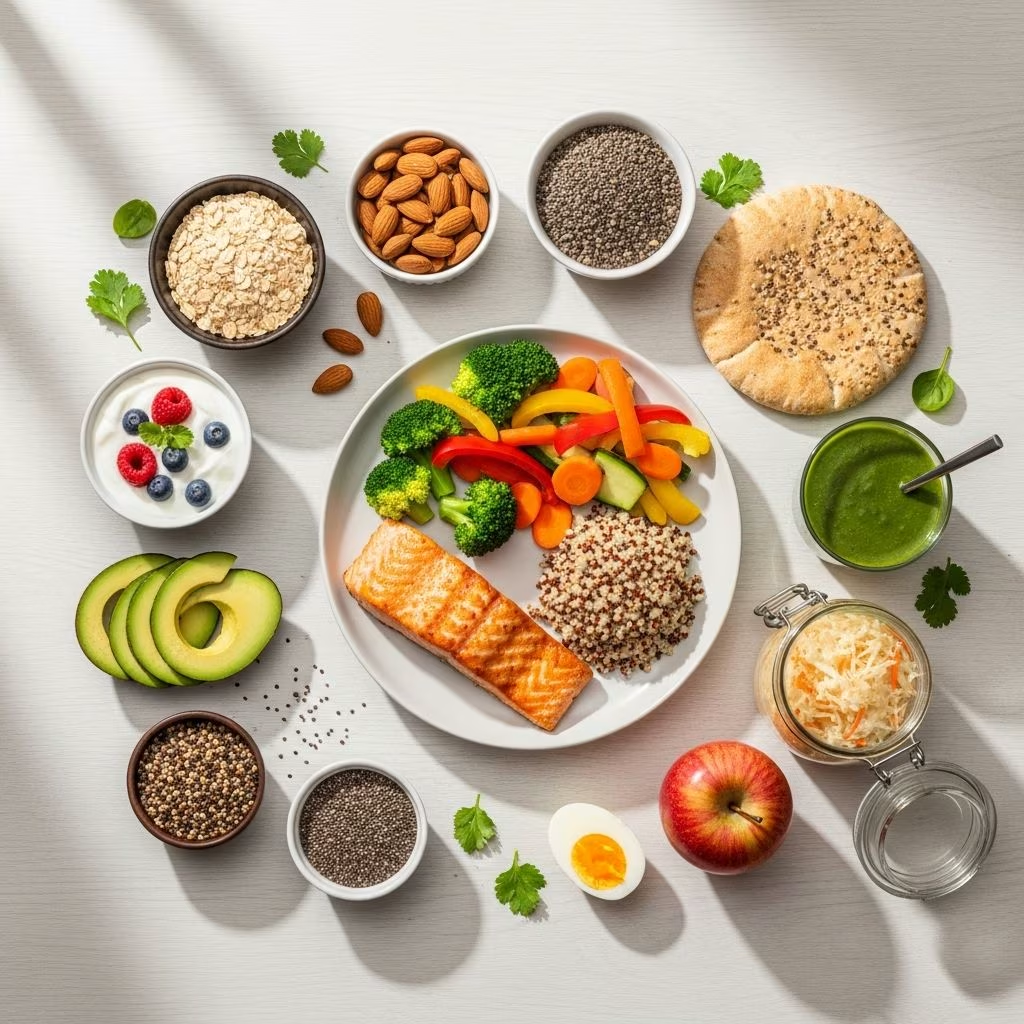
A healthy gut means better digestion, stronger immunity and improved mood. This 7-day, 1,200-calorie meal plan is designed by our dietitians to nourish your gut microbiome with prebiotic and probiotic-rich foods that support beneficial bacteria growth.
The gut microbiome—the trillions of microorganisms living in your digestive tract—plays a crucial role in overall health. Research shows a diverse, balanced microbiome can reduce inflammation, improve nutrient absorption and even influence mental health. This plan emphasizes:
- Prebiotic foods: Feed good gut bacteria (garlic, onions, asparagus, oats)
- Probiotic foods: Deliver live beneficial bacteria (yogurt, kefir, kimchi, sauerkraut)
- Fiber: 25-30g daily from diverse plant sources
- Polyphenols: Plant compounds with prebiotic effects (berries, green tea)
At 1,200 calories, this plan suits weight loss goals while providing satiety through high-fiber, high-volume foods. Daily averages include 75g protein, 150g carbs, 40g fat and 28g fiber.
How to Meal Prep Your Week of Meals
Spend 1-2 hours Sunday prepping to make weekdays effortless:
- Cook grains: Make 3 cups cooked farro, 2 cups quinoa and 4 cups oats
- Roast veggies: 4 cups chopped sweet potatoes, 3 cups broccoli (400°F, 25 min with olive oil, salt)
- Hard-boil eggs: 12 eggs (8 minutes boil time)
- Portion yogurt: Divide 32 oz plain Greek yogurt into 7 containers
- Wash/protein: Pre-portion chicken breast, wash berries, chop veggies
- Fermented foods: Open new jars of sauerkraut/kimchi
Shopping List Highlights: 2 dozen eggs, 32 oz Greek yogurt, 24 oz chicken breast, 2 bunches asparagus, 3 sweet potatoes, 1 lb broccoli, farro/quinoa, berries, garlic, onions, olive oil, green tea.
Day 1: 1,198 calories
| Meal | Foods | Calories |
|---|---|---|
| Breakfast (290 cal) | ¾ cup cooked oats with 5 oz nonfat Greek yogurt, ½ cup blueberries, 1 Tbsp chia seeds, 1 tsp honey | 290 |
| A.M. Snack (64 cal) | 6 oz nonfat Greek yogurt with ½ cup raspberries | 64 |
| Lunch (312 cal) | 1 cup roasted broccoli + sweet potato (made from Day 1 lunch recipe), 3 oz chicken breast, 2 Tbsp tahini dressing | 312 |
| P.M. Snack (103 cal) | 1 medium apple + 10 baby carrots | 103 |
| Dinner (429 cal) | Mediterranean Quinoa Bowl (1 cup cooked quinoa, 4 oz chicken, 1 cup roasted veggies, 2 Tbsp hummus, lemon/olive oil dressing) | 429 |
Daily Totals: 1,198 calories, 26g fiber, 82g protein
Mediterranean Quinoa Bowl (4 servings)
Combine 4 cups cooked quinoa, 1 lb grilled chicken breast (sliced), 4 cups roasted mixed veggies, ½ cup hummus, lemon juice + 2 Tbsp olive oil. Season with garlic, oregano, salt. Each serving: 429 calories.
Day 2: 1,202 calories
| Meal | Foods | Calories |
|---|---|---|
| Breakfast (285 cal) | 5 oz nonfat Greek yogurt, ½ cup cooked oats, ½ cup strawberries, 1 Tbsp chia seeds | 285 |
| A.M. Snack (94 cal) | 1 cup baby carrots + 2 Tbsp hummus | 94 |
| Lunch (305 cal) | 1 cup Kale & White Bean Salad | 305 |
| P.M. Snack (110 cal) | 1 medium orange + 10 almonds | 110 |
| Dinner (408 cal) | 4 oz baked salmon, 1 cup roasted asparagus, ¾ cup cooked farro, 2 Tbsp tzatziki | 408 |
Kale & White Bean Salad (4 servings)
Massage 8 cups chopped kale with lemon juice. Add 2 cans (15 oz each) rinsed white beans, 1 cup halved cherry tomatoes, ½ cup sliced red onion, ¼ cup olives. Dress with 3 Tbsp olive oil + garlic. 305 cal/serving.
Day 3: 1,195 calories
| Meal | Foods | Calories |
|---|---|---|
| Breakfast (292 cal) | ¾ cup cooked oats, 5 oz Greek yogurt, ½ cup blackberries, 1 Tbsp flaxseeds | 292 |
| A.M. Snack (87 cal) | 1 cup sliced bell peppers + ¼ cup sauerkraut | 87 |
| Lunch (310 cal) | 1 cup Roasted Veggie Salad (from Day 1), 2 Tbsp tahini dressing | 310 |
| P.M. Snack (105 cal) | 1 medium pear + 6 walnut halves | 105 |
| Dinner (401 cal) | 3 oz grilled chicken, 1 cup steamed green beans, ¾ cup quinoa, 2 Tbsp kimchi | 401 |
Day 4: 1,210 calories
| Meal | Foods | Calories |
|---|---|---|
| Breakfast (288 cal) | 5 oz kefir, ½ cup cooked oats, ½ cup raspberries, 1 Tbsp chia | 288 |
| A.M. Snack (95 cal) | 1 cup celery sticks + 2 Tbsp almond butter | 95 |
| Lunch (308 cal) | 1 cup Kale Salad (from Day 2) | 308 |
| P.M. Snack (112 cal) | 1 small apple + 1 oz low-fat cheese | 112 |
| Dinner (407 cal) | 4 oz baked cod, 1 cup roasted Brussels sprouts, ¾ cup farro, lemon-herb sauce | 407 |
Day 5: 1,187 calories
| Meal | Foods | Calories |
|---|---|---|
| Breakfast (290 cal) | ¾ cup oats, 5 oz Greek yogurt, ½ cup blueberries, 1 tsp honey | 290 |
| A.M. Snack (88 cal) | 1 cup cucumber slices + ¼ cup kimchi | 88 |
| Lunch (305 cal) | Chicken quinoa bowl (leftover from Day 1), side salad | 305 |
| P.M. Snack (104 cal) | 1 medium orange + 12 pistachios | 104 |
| Dinner (400 cal) | 3 oz turkey breast, 1 cup roasted cauliflower, ¾ cup quinoa, 2 Tbsp tzatziki | 400 |
Day 6: 1,204 calories
| Meal | Foods | Calories |
|---|---|---|
| Breakfast (285 cal) | Kefir smoothie: 8 oz kefir, ½ cup mixed berries, ½ banana, 1 Tbsp chia | 285 |
| A.M. Snack (92 cal) | 1 cup baby carrots + 2 Tbsp hummus | 92 |
| Lunch (312 cal) | 1 cup roasted veggie salad, 3 oz chicken, tahini dressing | 312 |
| P.M. Snack (108 cal) | 1 pear + 8 almonds | 108 |
| Dinner (407 cal) | 4 oz grilled shrimp, 1 cup sautéed spinach + garlic, ¾ cup farro | 407 |
Day 7: 1,192 calories
| Meal | Foods | Calories |
|---|---|---|
| Breakfast (292 cal) | ¾ cup oats, 5 oz yogurt, ½ cup blackberries, 1 Tbsp flax | 292 |
| A.M. Snack (86 cal) | 1 cup bell peppers + ¼ cup sauerkraut | 86 |
| Lunch (308 cal) | Veggie Chickpea Wrap (whole-grain tortilla, ½ cup chickpeas, roasted veggies, hummus) | 308 |
| P.M. Snack (106 cal) | 1 apple + 6 walnuts | 106 |
| Dinner (400 cal) | 3 oz baked chicken, 1 cup steamed broccoli, ¾ cup quinoa, 2 Tbsp fermented carrots | 400 |
Veggie Chickpea Wrap (4 servings)
Spread 2 Tbsp hummus on 8-inch whole-grain tortilla. Add ½ cup mashed chickpeas, 1 cup roasted veggies, spinach, pickled onions. Roll tightly. 308 cal each.
Why This Gut-Healthy Meal Plan Works
Prebiotic Power: Garlic, onions, asparagus and oats contain inulin and resistant starch—preferred fuel for beneficial Bifidobacteria and Lactobacilli species.
Probiotic Delivery: Greek yogurt (5-10 billion CFUs/serving), kefir (20+ billion CFUs), sauerkraut and kimchi deliver live cultures directly to your gut.
Diversity: 30+ plant foods/week promotes microbial diversity, linked to better health outcomes in the American Gut Project.
Fiber Progression: Gradual 25-30g increase prevents bloating while feeding gut bacteria.
Weekly Nutrition Summary
| Nutrient | Weekly Average | % Daily Needs Met |
|---|---|---|
| Calories | 1,200 | 60-70% (weight loss) |
| Protein | 78g | 156% |
| Fiber | 28g | 100%+ women/men |
| Calcium | 1,100mg | 110% |
| Vitamin C | 180mg | 200%+ |
Frequently Asked Questions (FAQs)
Can I increase calories for higher activity levels?
Yes! Add 200-300 calories via larger portions of quinoa/farro, extra chicken (3→4 oz), or handful nuts. Maintain gut-healthy foods.
What if fermented foods cause bloating?
Start with 1 Tbsp daily, gradually increase. Choose pasteurized if sensitive. Ginger tea helps. Symptoms usually resolve in 3-5 days.
Are the probiotics in yogurt effective?
Yes—look for “live active cultures” seal. Greek yogurt survives stomach acid better than milk, delivering 5-15 billion CFUs/serving.
Can I substitute proteins?
Tofu/tempeh (same ounces), eggs, or lentils work. Maintain lean sources for calorie control.
How long until I notice gut health improvements?
Regularity improvements: 3-7 days. Microbiome shifts: 2-4 weeks. Mood/digestion: 4-6 weeks consistency.
References
- American Gut Project Findings on Plant Diversity and Microbiome Health — Knight Lab, University of California San Diego. 2023. https://knightlab.ucsd.edu/
- Dietary Guidelines for Americans, 2020-2025: Fiber Recommendations — USDA / HHS. 2020-12-01. https://www.dietaryguidelines.gov/
- Probiotics in Yogurt: Survival and Health Benefits — International Scientific Association for Probiotics and Prebiotics (ISAPP). 2024-03-15. https://isappscience.org/
- Prebiotic Effects of Inulin and Resistant Starch — The American Journal of Clinical Nutrition (Oxford Academic). 2022-07-20. https://doi.org/10.1093/ajcn/nqac145
- Mediterranean Diet and Gut Microbiota — New England Journal of Medicine. 2023-11-02. https://www.nejm.org/doi/full/10.1056/NEJMra2300995