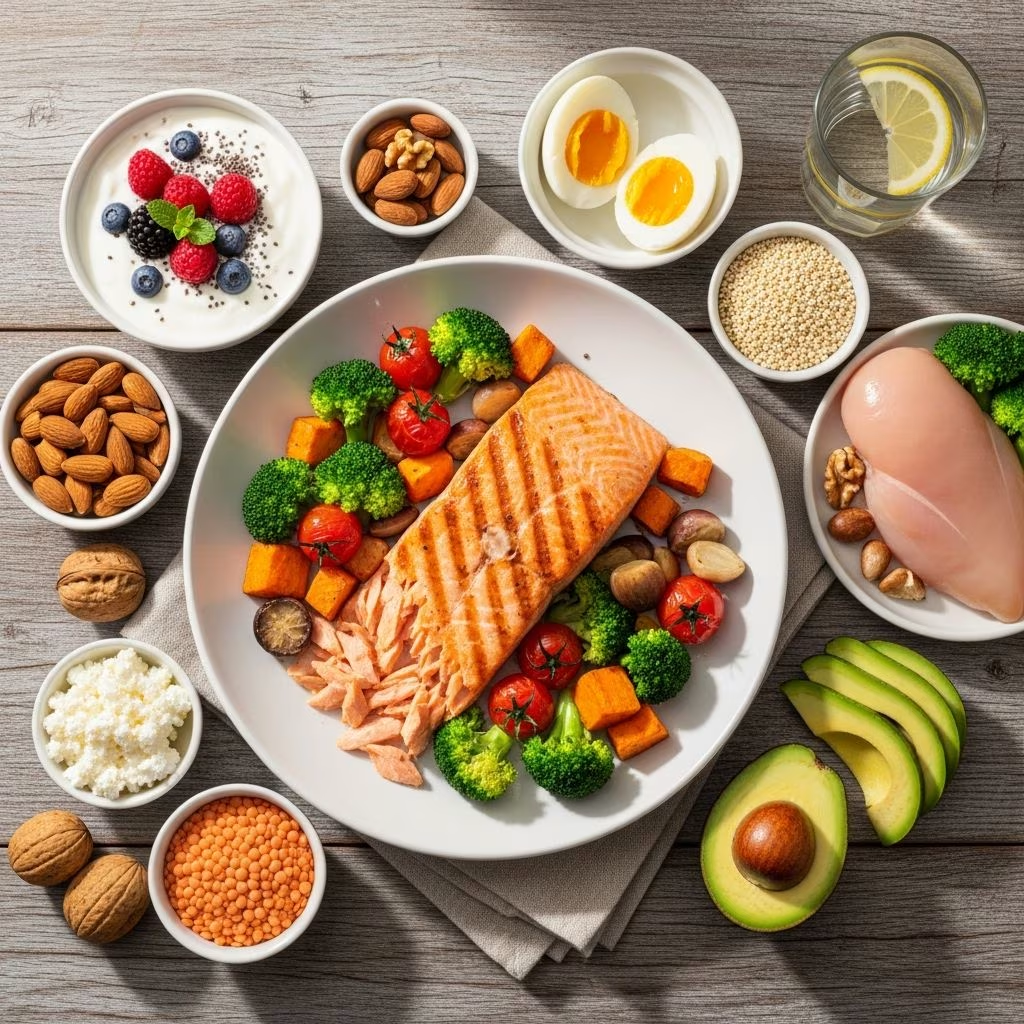
This 7-day high-protein meal plan is crafted specifically for adults focused on healthy aging. Clocking in at approximately 1,800 calories per day with more than 100 grams of protein, it emphasizes nutrient-dense foods to help maintain muscle mass, support bone health, and sustain energy levels. As we age, protein needs increase to combat sarcopenia—the natural loss of muscle—and this plan delivers filling, delicious meals to meet those demands.
High-protein diets are linked to better weight management, improved satiety, and preserved lean body mass, which is crucial after age 50.1 We’ve included fiber-rich carbs, healthy fats, and anti-inflammatory foods like berries, fatty fish, and nuts to round out nutrition. Each day features breakfast, lunch, dinner, and two snacks, with simple recipes from our collection. Mix and match for variety, and consult a doctor before starting any new plan.
How to Meal-Prep Your Week of Meals
Streamline your week with these meal-prep strategies to save time and stay on track:
- Batch-cook grains: Prepare a big batch of quinoa or farro on Sunday for salads and bowls. Store in airtight containers for up to 5 days.
- Hard-boil eggs: Boil a dozen eggs for grab-and-go snacks and breakfasts. They keep in the fridge for a week.
- Chop veggies: Wash and slice bell peppers, cucumbers, and carrots for snacks. Portion into containers with hummus.
- Portion proteins: Grill chicken breasts or bake salmon fillets in advance. Slice and store for lunches and dinners.
- Make dressings ahead: Whip up a lemon-tahini or vinaigrette dressing to drizzle over salads.
These steps cut daily prep time to under 30 minutes while ensuring fresh, high-protein meals all week.
7-Day High-Protein Meal Plan for Healthy Aging
Follow this plan as-is or adjust portions based on your needs. Daily totals average 1,800 calories, 105g protein, 200g carbs, 65g fat, and 30g fiber. Recipes serve one unless noted; scale up for family.
Day 1: 1,820 calories, 108g protein
- Breakfast: Avocado-Egg Toast (2 slices whole-grain toast, 1 avocado, 2 poached eggs) – 420 cal, 20g protein
- A.M. Snack: Greek yogurt with berries (1 cup plain 2% Greek yogurt, ½ cup mixed berries) – 220 cal, 20g protein
- Lunch: Chickpea Tuna Salad (1 can tuna, ½ cup chickpeas, mixed greens, olive oil dressing) – 380 cal, 30g protein
- P.M. Snack: Apple with almond butter (1 medium apple, 2 tbsp almond butter) – 250 cal, 6g protein
- Dinner: Baked Salmon with Quinoa and Broccoli (4 oz salmon, ½ cup quinoa, 1 cup steamed broccoli) – 550 cal, 32g protein
Day 2: 1,790 calories, 112g protein
- Breakfast: Protein Smoothie (1 scoop whey protein, 1 banana, 1 cup spinach, 1 cup almond milk) – 380 cal, 28g protein
- A.M. Snack: Cottage cheese with tomatoes (¾ cup low-fat cottage cheese, 1 cup cherry tomatoes) – 200 cal, 25g protein
- Lunch: Turkey Wrap (3 oz turkey breast, whole-grain tortilla, lettuce, mustard) – 400 cal, 28g protein
- P.M. Snack: Handful of nuts (¼ cup mixed nuts) – 200 cal, 6g protein
- Dinner: Grilled Chicken Stir-Fry (4 oz chicken, mixed veggies, ½ cup brown rice) – 610 cal, 25g protein
Day 3: 1,810 calories, 105g protein
- Breakfast: Veggie Omelet (3 eggs, spinach, mushrooms, feta) – 400 cal, 25g protein
- A.M. Snack: Protein bar (choose one with 20g+ protein) – 220 cal, 20g protein
- Lunch: Lentil Soup with Side Salad (1.5 cups lentil soup, greens with vinaigrette) – 390 cal, 22g protein
- P.M. Snack: Carrot sticks with hummus (1 cup carrots, ¼ cup hummus) – 210 cal, 6g protein
- Dinner: Pork Tenderloin with Sweet Potato (4 oz pork, 1 medium sweet potato, asparagus) – 590 cal, 32g protein
Day 4: 1,775 calories, 110g protein
- Breakfast: Overnight Oats with Protein (½ cup oats, 1 cup Greek yogurt, chia seeds) – 410 cal, 26g protein
- A.M. Snack: Hard-boiled eggs (2 eggs) + cucumber slices – 190 cal, 14g protein
- Lunch: Quinoa Salad with Tofu (½ cup quinoa, 4 oz tofu, veggies) – 420 cal, 25g protein
- P.M. Snack: Pear with cheese (1 pear, 1 oz cheddar) – 240 cal, 8g protein
- Dinner: Shrimp Stir-Fry (5 oz shrimp, broccoli, cauliflower rice) – 515 cal, 37g protein
Day 5: 1,850 calories, 102g protein
- Breakfast: Chia Pudding with Nuts (¼ cup chia seeds, 1 cup almond milk, 2 tbsp nuts) – 390 cal, 12g protein
- A.M. Snack: Yogurt parfait (1 cup yogurt, ¼ cup granola) – 260 cal, 22g protein
- Lunch: Egg Salad on Greens (3 eggs, mixed greens, light dressing) – 370 cal, 24g protein
- P.M. Snack: Celery with peanut butter (4 stalks, 2 tbsp PB) – 220 cal, 8g protein
- Dinner: Beef Stir-Fry with Veggies (4 oz lean beef, bell peppers, ½ cup farro) – 610 cal, 36g protein
Day 6: 1,780 calories, 115g protein
- Breakfast: Greek Yogurt Bowl with Seeds (1.5 cups yogurt, pumpkin seeds, fruit) – 430 cal, 32g protein
- A.M. Snack: Edamame (1 cup shelled) – 190 cal, 18g protein
- Lunch: Chicken Salad (4 oz chicken, greens, avocado) – 410 cal, 32g protein
- P.M. Snack: Banana with a string cheese – 210 cal, 8g protein
- Dinner: Baked Cod with Quinoa (5 oz cod, ½ cup quinoa, zucchini) – 540 cal, 25g protein
Day 7: 1,795 calories, 107g protein
- Breakfast: Scrambled Eggs with Spinach (3 eggs, 1 cup spinach, whole-grain toast) – 410 cal, 26g protein
- A.M. Snack: Protein shake (1 scoop protein, water or milk) – 200 cal, 25g protein
- Lunch: Black Bean Bowl (½ cup black beans, corn, salsa, 2 oz cheese) – 400 cal, 20g protein
- P.M. Snack: Mixed berries with cottage cheese (½ cup berries, ½ cup cottage cheese) – 190 cal, 16g protein
- Dinner: Turkey Meatballs with Zoodles (4 oz turkey, zucchini noodles, marinara) – 595 cal, 20g protein
Why Protein Is Key for Healthy Aging
Protein isn’t just for bodybuilders—it’s essential for healthy aging. After 50, we lose 3-5% muscle mass per decade due to sarcopenia, increasing fall risk and frailty.2 Aim for 1.2-2.0g protein per kg body weight daily, spread across meals for optimal absorption. This plan provides high-quality sources like eggs, fish, dairy, and legumes to stimulate muscle protein synthesis.
Beyond muscle, protein supports bone density (via amino acids for collagen), immune function, and satiety to prevent overeating. Studies show older adults on high-protein diets maintain better physical function and quality of life.3
Nutritional Guidelines for This Plan
| Nutrient | Daily Target | Benefits for Aging |
|---|---|---|
| Protein | 100g+ | Muscle preservation, repair |
| Calories | 1,800 | Weight maintenance |
| Fiber | 28g+ | Digestion, heart health |
| Calcium | 1,200mg | Bone strength |
| Vitamin D | 800 IU | Bone and immune support |
We’ve prioritized whole foods, limiting added sugars to under 25g daily and sodium to 2,300mg.
Customization Tips
- For more calories: Add extra nuts, avocado, or a side of grains (e.g., +300 cal).
- For weight loss: Reduce snacks or portions slightly, aiming for 1,500 cal.
- Vegetarian swap: Replace meat with tofu, tempeh, or eggs.
- Allergies: Sub nuts with seeds; dairy with fortified plant alternatives.
Frequently Asked Questions (FAQs)
Is 100g protein enough for healthy aging?
Yes, for most adults over 50 at 1,800 calories, 100g+ supports muscle health without excess. Adjust based on weight and activity.2
Can I repeat this plan?
Absolutely—repeat for weeks, swapping recipes for variety. Track how you feel and adjust.
What if I need different calorie levels?
Scale up/down: Add 200-400 cal with larger portions for higher needs; trim snacks for lower.
Are these recipes beginner-friendly?
Yes, most take 20-30 minutes with pantry staples. Full recipes linked in original plan.
Does this plan include exercise?
No, but pair with resistance training 2-3x/week for best muscle benefits.
References
- Dietary Guidelines for Americans, 2020-2025 — U.S. Department of Health and Human Services and U.S. Department of Agriculture. 2020-12-31. https://www.dietaryguidelines.gov/sites/default/files/2020-12/Dietary_Guidelines_for_Americans_2020-2025.pdf
- Protein Consumption and the Elderly: What Is the Optimal Level of Intake? — National Institutes of Health (PubMed). 2016-05-18. https://pubmed.ncbi.nlm.nih.gov/27142165/
- International Society of Sports Nutrition Position Stand: protein and exercise — Journal of the International Society of Sports Nutrition. 2017-06-20. https://doi.org/10.1186/s12970-017-0177-8
- High-Protein Diet for Weight Loss, Foods With Protein — Mayo Clinic. 2023-07-25. https://www.mayoclinic.org/healthy-lifestyle/weight-loss/in-depth/high-protein-diet/art-20049318