
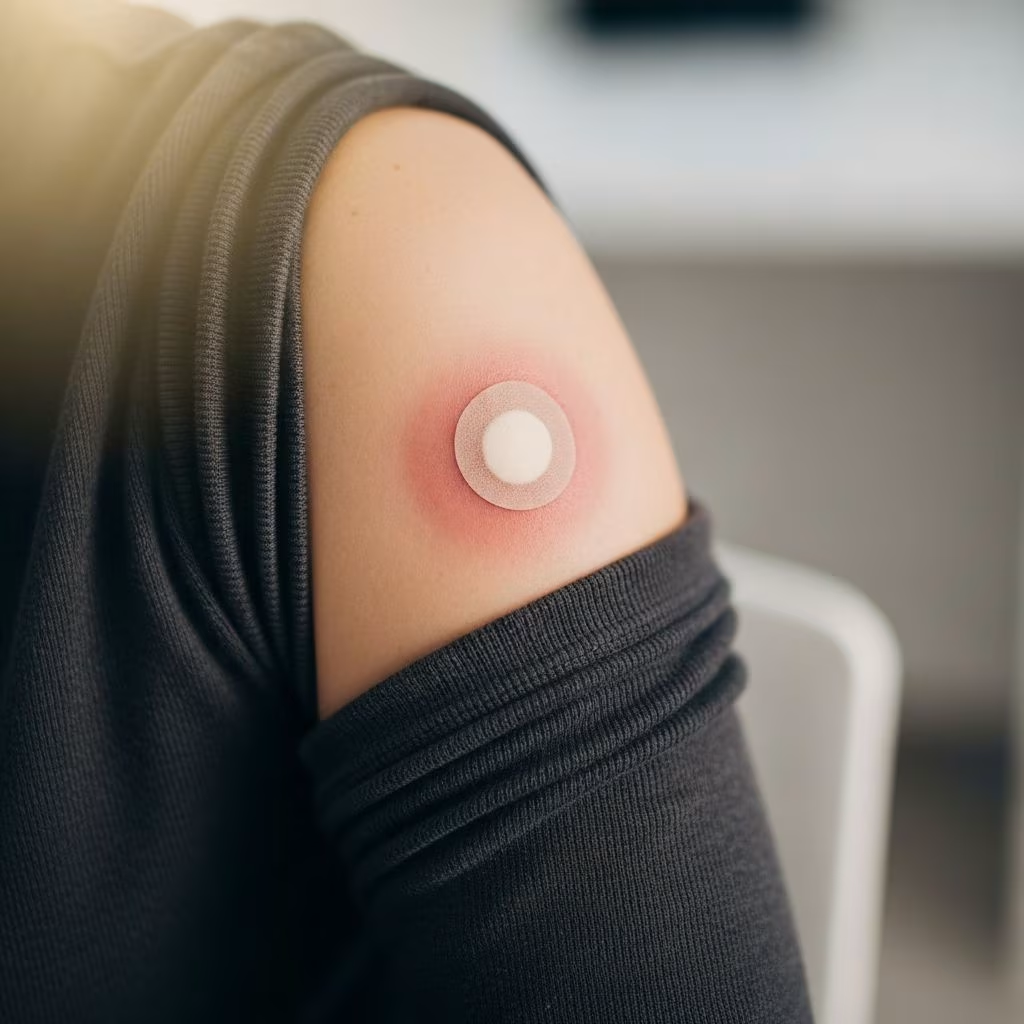
Getting an annual flu shot is a crucial step in protecting yourself and others from influenza, but proper aftercare can maximize its effectiveness and minimize discomfort. While most people experience mild or no side effects, certain activities, substances, and habits in the hours and days following the vaccination can interfere with your body’s immune response or worsen symptoms like arm soreness, fatigue, or low-grade fever. This comprehensive guide outlines key things to avoid after your flu shot, drawing from expert recommendations to help you recover smoothly.
Understanding post-vaccination care is vital because the flu shot stimulates your immune system to produce antibodies, a process that takes about two weeks to fully develop. Avoiding potential disruptors allows your body to focus on building protection against the flu.
Why Post-Flu Shot Care Matters
Your immune system needs time to process the inactivated virus proteins in the flu shot without distractions. Poor choices post-vaccination, such as dehydration or excessive stress, may blunt this response or amplify mild side effects like injection-site soreness, headache, or muscle aches, which affect up to 10-20% of recipients and typically resolve in 1-2 days.
Proper care supports:
- Stronger immunity: Helps your body mount an optimal antibody response.
- Fewer side effects: Reduces risks of prolonged soreness or fatigue.
- Quicker recovery: Gets you back to normal activities faster.
Serious reactions are rare (about 1 per million doses), but vigilance is key.
1. Avoid Alcohol for At Least 24 Hours
Alcohol is one of the most commonly recommended items to skip after a flu shot. It acts as a diuretic, promoting dehydration, which can exacerbate side effects like headache, fatigue, and dizziness. Dehydration may also subtly impair immune function by stressing the body during its vaccine-processing phase.
Health experts advise abstaining for 24-48 hours post-shot. Even moderate drinking can interfere with sleep quality and liver function, both critical for immune recovery. Opt for water, herbal teas, or electrolyte drinks instead to stay hydrated—aim for 8-10 glasses daily.
2. Skip Strenuous Exercise for 24 Hours
Intense workouts, heavy lifting, or high-impact activities should be avoided immediately after the flu shot. Vigorous exercise diverts blood flow and energy away from the immune response, potentially increasing inflammation at the injection site and worsening soreness or fatigue.
A 2022 study noted that moderate exercise in fit individuals might enhance vaccine efficacy, but overexertion risks the opposite effect. Wait until soreness subsides (usually 24 hours), then resume light activities like walking. Listen to your body—if you feel achy, rest.
| Timeframe | Recommended Activity Level | Why Avoid More? |
|---|---|---|
| 0-24 hours | Rest or light walking | Allows immune focus, prevents soreness worsening |
| 24-48 hours | Moderate exercise if no symptoms | Side effects typically peak here |
| After 48 hours | Full routine | Recovery usually complete |
3. Don’t Overuse Pain Relievers Like NSAIDs
While acetaminophen (Tylenol) is generally safe for managing fever or aches, excessive use of non-steroidal anti-inflammatory drugs (NSAIDs) like ibuprofen (Advil) or aspirin should be avoided unless advised by a doctor. Some studies suggest NSAIDs might dampen the immune response by reducing inflammation needed for antibody production.
Use sparingly: only if symptoms are bothersome, and not prophylactically (before symptoms appear). Consult your provider, especially if on chronic meds like corticosteroids, which may require a high-dose flu vaccine.
4. Avoid Dehydration and Poor Nutrition
Skipping hydration or eating junk food post-shot can hinder recovery. Dehydration thickens blood, intensifying headaches and fatigue, while sugary or processed foods may spike inflammation.
Prioritize:
- Water-rich foods (fruits, veggies).
- Balanced meals with protein, vitamins (e.g., vitamin C from citrus).
- Avoid caffeine excess, which also dehydrates.
5. Steer Clear of Sick People and Flu Exposure
The flu shot takes up to 2 weeks to provide full protection, so avoid close contact with infected individuals during this window. Crowded places or unmasked exposure increases risk before immunity builds.
Continue precautions: handwashing, masks in high-risk settings, and distancing.
6. Don’t Ignore Symptoms or Delay Medical Help
Mild symptoms are normal, but avoid brushing off red flags:
- High fever (>102°F/39°C) >48 hours.
- Swelling/redness spreading beyond arm.
- Difficulty breathing, hives, severe dizziness (rare anaphylaxis—seek ER immediately).
Monitor for 15-30 minutes post-shot in clinic for fainting or reactions.
7. Limit Stress and Prioritize Rest
High emotional or physical stress post-vaccination can weaken immune resilience. Avoid over-scheduling; aim for 7-9 hours sleep and stress-relief like meditation.
What to Do After Your Flu Shot
Complement avoidance with positive steps:
- Move your arm: Gently to reduce soreness.
- Cold compress: 10-15 minutes on site.
- Hydrate and eat well: Supports recovery.
- Track symptoms: Log for doctor if needed.
- Rest: Especially first 24 hours.
Flu Shot Side Effects Timeline
| Symptom | Duration | When to Worry |
|---|---|---|
| Soreness/redness at site | 1-2 days | Spreading after 48 hours |
| Fatigue/fever | 1-3 days | Worsens or >102°F >48h |
| Muscle aches | Up to 2 days | Persistent >7 days |
Most resolve quickly; infants under 6 months or those with severe allergies should avoid.
Frequently Asked Questions (FAQs)
Q: How long after flu shot can I exercise?
A: Avoid strenuous activity for at least 24 hours or until soreness fades; light walking is fine.
Q: Can I drink alcohol after flu shot?
A: Wait 24-48 hours to avoid dehydration and immune interference.
Q: Does the flu shot work immediately?
A: No, full protection takes about 2 weeks.
Q: Who shouldn’t get a flu shot?
A: Infants <6 months, severe prior reaction, or allergies to ingredients like eggs.
Q: Can I take Tylenol after flu shot?
A: Yes, for symptoms; avoid routine NSAID overuse.
Q: How long do side effects last?
A: 1-2 days typically; contact doctor if longer.
By avoiding these pitfalls and following proactive care, you’ll optimize your flu shot’s benefits and enjoy a swift return to health. Consult your healthcare provider for personalized advice.
References
- Influenza (Flu) Vaccine (Inactivated or Recombinant) — Centers for Disease Control and Prevention (CDC). 2024. https://www.cdc.gov/vaccines/hcp/current-vis/downloads/flu.pdf
- Do You Need to Avoid Anything After a Flu Shot? — Healthline (medically reviewed). 2025-03-26. https://www.healthline.com/health/influenza/what-to-avoid-after-flu-shot
- What to Avoid After Your Flu Shot: Vaccine After-Care — Primary Care Doctor Miami. 2024. https://primarycaredoctormiami.com/what-to-avoid-after-your-flu-shot-vaccine-after-care/
- Influenza (Flu) Vaccine: Care Instructions — Kaiser Permanente. 2024. https://healthy.kaiserpermanente.org/health-wellness/health-encyclopedia/he.influenza-flu-vaccine-care-instructions.uf9097
- What to Avoid After Your Flu Shot: Everything You Need To Know — Hillside Primary Care. 2024. https://www.hillsideprimarycare.com/what-to-avoid-after-your-flu-shot/