Pairing certain vitamins and minerals can significantly enhance their absorption and effectiveness in the body, leading to better health outcomes. Experts emphasize that synergistic nutrient combinations allow for more efficient utilization compared to taking them separately, potentially improving bone health, immunity, stress relief, and more.
Vitamin D and Calcium
Vitamin D plays a critical role in calcium absorption in the intestines. Without adequate vitamin D, the body absorbs only about 10-15% of dietary calcium, whereas sufficient levels increase absorption to 30-40%. This pairing is essential for maintaining strong bones and preventing deficiencies.
Dr. Nicholas Church, a board-certified family medicine physician, recommends consuming calcium-rich foods or supplements alongside vitamin D sources to optimize benefits. Sun exposure, fortified foods, and supplements are common ways to ensure adequate vitamin D levels, which in turn maximize calcium’s role in bone mineralization and muscle function.
- Food sources for vitamin D: Fatty fish like salmon, egg yolks, fortified milk.
- Calcium-rich foods: Dairy products, leafy greens, almonds.
- Supplement tip: Take vitamin D3 softgels with calcium citrate for better bioavailability, especially if sunlight exposure is limited.
Research supports this synergy, as vitamin D receptors in the gut facilitate calcium transport into the bloodstream, reducing risks of osteoporosis and fractures in populations with low vitamin D.
Vitamin B6 and Magnesium
Magnesium supports over 300 enzymatic reactions, including muscle relaxation, nerve function, and blood sugar regulation. Vitamin B6 enhances magnesium absorption in the intestines and activates it into its bioactive form.
Functional medicine expert Will Cole notes that this duo is particularly useful for stress relief, sleep improvement, and muscle health. Studies indicate that combined supplementation reduces stress markers more effectively than either nutrient alone.
| Benefit | Vitamin B6 Role | Magnesium Role |
|---|---|---|
| Muscle function | Improves uptake | Relaxes muscles |
| Stress reduction | Activates form | Calms nervous system |
| Sleep support | Enhances absorption | Promotes relaxation |
Incorporate bananas (B6) and nuts (magnesium) or a combined supplement. Those with deficiencies, common in modern diets, may see improved energy and mood.
Vitamin C and Iron
Iron is vital for hemoglobin production and oxygen transport, but non-heme iron from plants has low bioavailability. Vitamin C converts it to a more absorbable form, increasing uptake by up to sixfold when consumed together.
This pairing benefits vegetarians, menstruating individuals, and those with anemia risks. Dr. Church suggests pairing iron supplements with orange juice or vitamin C-rich foods like bell peppers and strawberries for optimal results.
- Iron sources: Spinach, lentils, red meat.
- Vitamin C boosters: Citrus fruits, broccoli, kiwi.
- Caution: Avoid taking with calcium or tea, which inhibit absorption.
Clinical evidence shows this combination prevents iron deficiency more effectively, supporting energy levels and cognitive function.
Vitamin A and Zinc
Vitamin A is essential for vision, immune function, skin health, and reproduction, but zinc is required for its mobilization from the liver and transport in blood. Zinc deficiency reduces vitamin A bioavailability, often co-occurring in malnutrition.
Combining them ensures vitamin A reaches target tissues efficiently. Foods like carrots (vitamin A precursors) with oysters or pumpkin seeds (zinc) provide natural synergy. Supplementation is advised in deficiency-prone areas or for eye health.
Deficiencies in both are linked to impaired immunity and night blindness, making this pair crucial for vulnerable groups like children and pregnant women.
Vitamin E and Selenium
Both are potent antioxidants protecting cells from oxidative damage. Selenium regenerates vitamin E, allowing it to neutralize more free radicals.
Dr. Church highlights Brazil nuts (selenium) paired with almonds or spinach (vitamin E) for amplified protection against inflammation and aging. This duo supports heart health and may reduce chronic disease risk.
- Synergistic effect: Recycling mechanism extends antioxidant activity.
- Applications: Skin health, cardiovascular protection, cancer prevention potential.
Research from trials like SU.VI.MAX shows antioxidant combinations, including similar pairs, may lower cancer risk when balanced properly.
Vitamin D, Vitamin K2, and Vitamin A
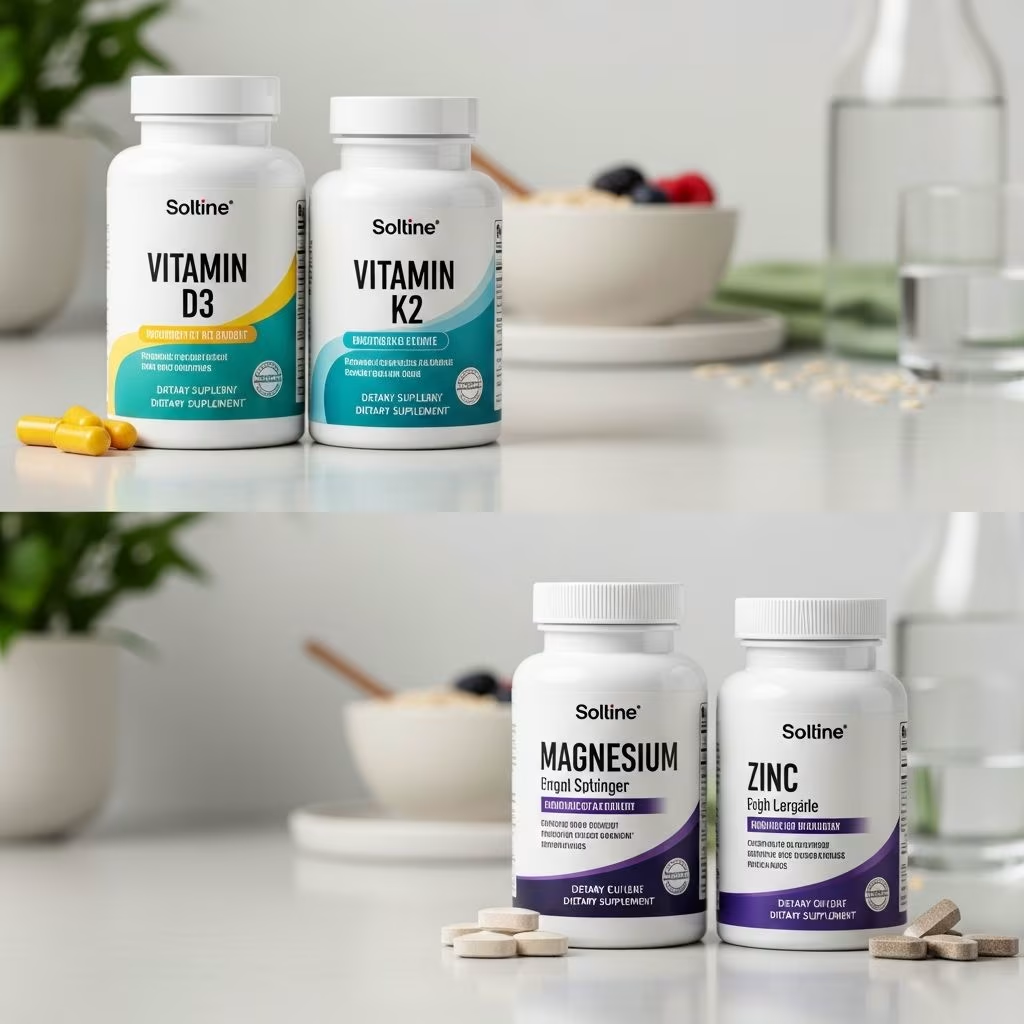
This fat-soluble trio optimizes calcium metabolism: Vitamin D enhances absorption, K2 directs it to bones, and A balances immune effects. Together, they prevent arterial calcification and support skeletal integrity.
Cole describes it as a “triple threat” for bone density and immunity. Sources include sunlight/vitamin D supplements, fermented foods/natto for K2, and liver for A. Ideal for postmenopausal women or those with osteoporosis risk.
| Vitamin | Primary Role in Trio | Food Sources |
|---|---|---|
| D | Absorption | Fish, fortified dairy |
| K2 | Direction to bones | Natto, cheese |
| A | Immune balance | Sweet potatoes, liver |
Multivitamin studies like PHS II indicate balanced MVMs with these nutrients reduce cancer incidence by 8%.
Other Considerations for Supplement Pairing
While pairs enhance efficacy, multivitamin-mineral (MVM) supplements address broader gaps. NHANES data shows MVM users have higher micronutrient intakes, reducing inadequacy by ≥75% in older adults. Linxian trials found combinations like beta-carotene, E, and selenium lowered cancer mortality by 13%.
However, balance is key; isolated high doses may pose risks, as seen in SELECT trial with vitamin E alone. UCHealth reviews note supplements like magnesium benefit specific needs but aren’t universally necessary if diet is optimal.
Frequently Asked Questions (FAQs)
Should I take supplements on an empty stomach?
Fat-soluble vitamins (A, D, E, K) pair best with meals containing fats for absorption. Water-soluble ones like C and B6 can be taken anytime but with food to avoid nausea.
Can I get these synergies from food alone?
Yes, balanced diets provide pairs naturally, but supplements help in deficiencies or poor absorption cases, per expert recommendations.
Are there risks to combining supplements?
Overdosing fat-solubles can occur; consult providers, especially with medications. MVMs at RDA levels are safe per reviews.
Who benefits most from these pairs?
Vegetarians (C+iron), elderly (D+calcium+K2), stressed individuals (B6+magnesium), and those with poor diets.
How do I choose quality supplements?
Look for USP-verified, third-party tested products. Pair based on blood tests for personalized needs.
The Bottom Line
Synergistic supplement pairs amplify health benefits by improving absorption and function. Always consult healthcare providers before starting, as individual needs vary. Prioritize diet first, using supplements to fill gaps for long-term wellness.
References
- Doctors Reveal the Crucial Vitamin Combo You Need to Start Taking — AOL. 2024-10-01. https://www.aol.com/doctors-reveal-crucial-vitamin-combo-112300351.html
- Addressing nutritional gaps with multivitamin and mineral supplements — PMC (PubMed Central). 2014-06-17. https://pmc.ncbi.nlm.nih.gov/articles/PMC4109789/
- 14 common supplements: Are they beneficial or a waste of money? — UCHealth Today. 2024-01-13. https://www.uchealth.org/today/dietary-supplements-are-they-beneficial-or-a-waste-of-money/