
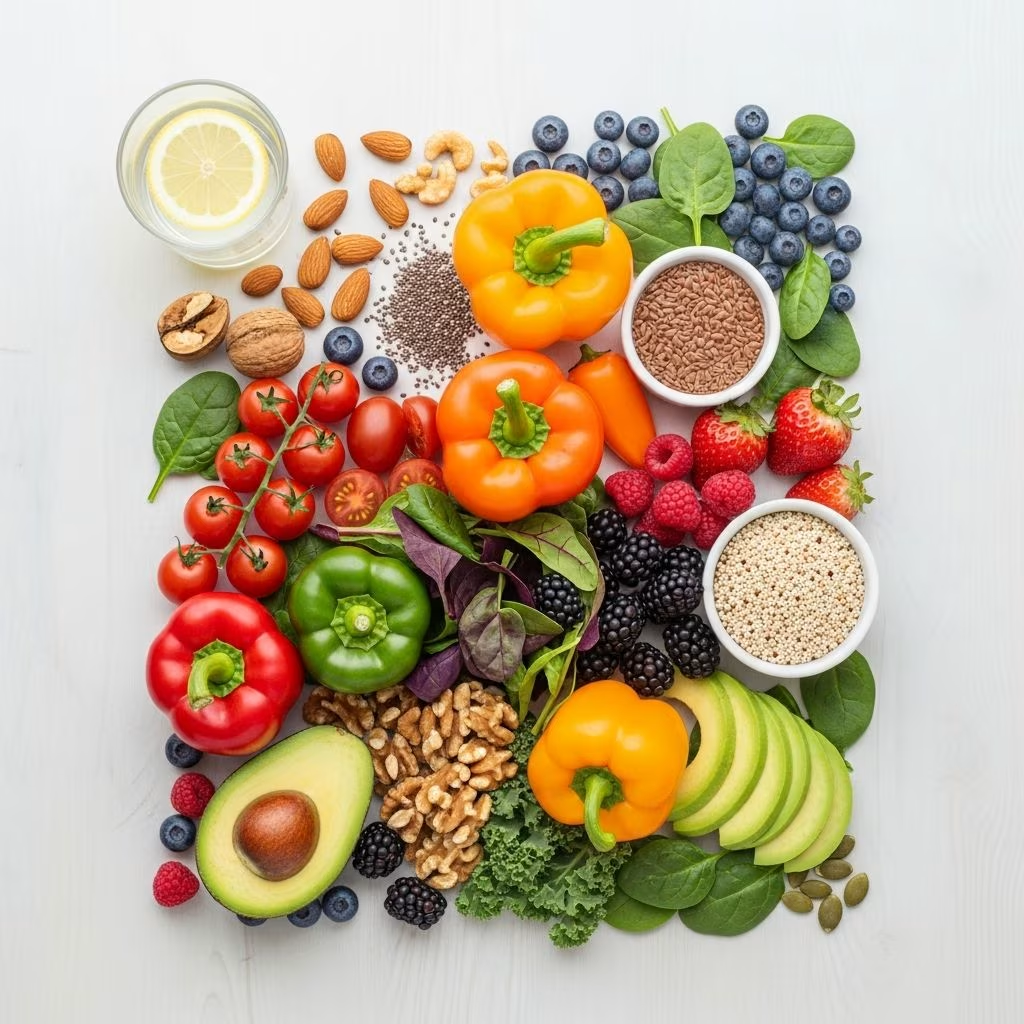
Adopting a vegan diet offers numerous health benefits including reduced risk of heart disease, diabetes and certain cancers, according to research from the American Journal of Clinical Nutrition. These 9 practical tips will help you transition smoothly while ensuring optimal nutrition.
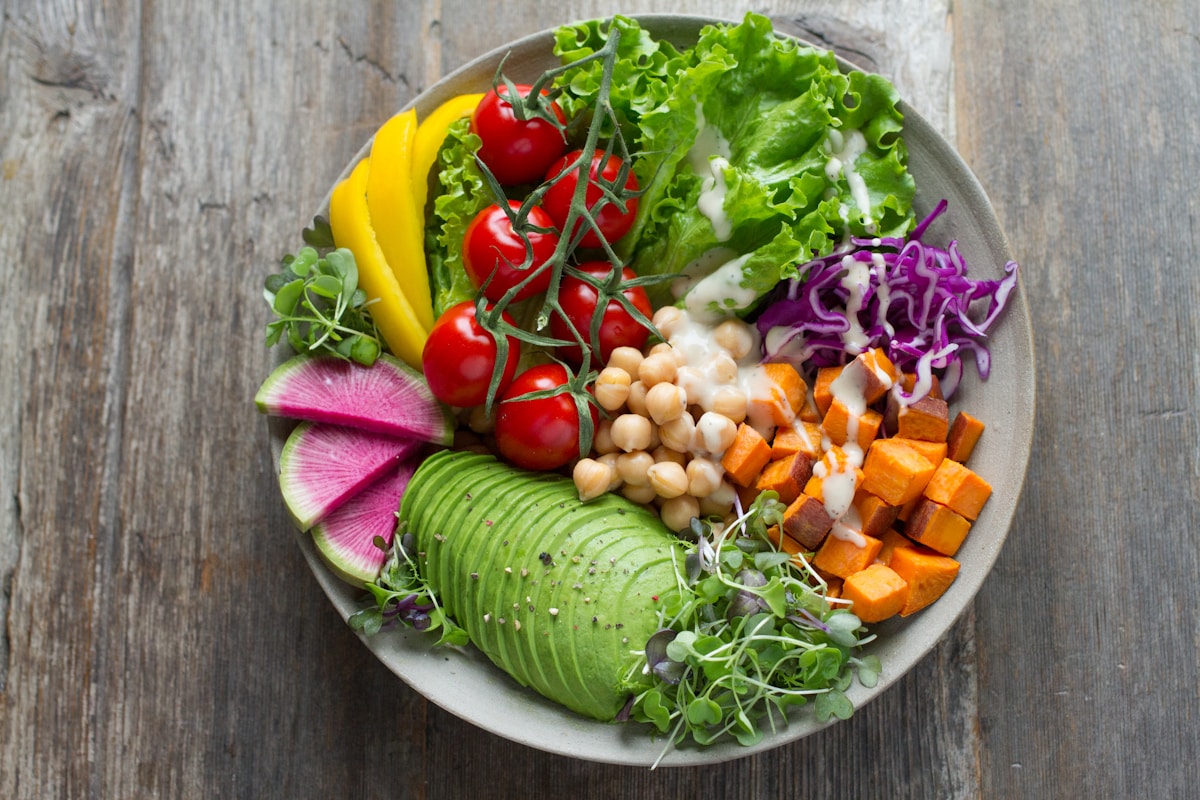
1. Plan Your Meals Ahead of Time
The foundation of successful vegan eating begins with planning. Without structure, it’s easy to fall back on processed foods or skip meals entirely. Meal planning saves time, reduces food waste and ensures nutritional balance.
Start by mapping out 3-5 days of meals. Focus on whole plant foods: vegetables, fruits, whole grains, legumes, nuts and seeds. A typical day might include oatmeal with berries for breakfast, lentil soup with salad for lunch, and chickpea curry with quinoa for dinner.
- Batch cook staples: Prepare large pots of grains (brown rice, quinoa), beans and vegetable soups that last 4-5 days.
- Prep components: Chop vegetables, cook grains and portion nuts/seeds in advance.
- Use templates: Create 7 go-to meal formulas like ‘grain + protein + vegetable + healthy fat.’
- Shop with a list: Plan around weekly sales for seasonal produce to save money.
Research from the Journal of the Academy of Nutrition and Dietetics shows meal planning significantly improves dietary quality and adherence to plant-based diets.
2. Focus on Whole Plant Foods
Steer clear of the ‘junk food vegan’ trap. Processed vegan products like fake meats and cheeses often contain excess oils, sodium and additives. Prioritize nutrient-dense whole foods instead.
| Food Group | Examples | Key Nutrients |
|---|---|---|
| Vegetables | Kale, broccoli, sweet potatoes, peppers | Vitamins A, C, K, fiber |
| Fruits | Berries, apples, citrus, bananas | Antioxidants, vitamin C, potassium |
| Whole Grains | Oats, quinoa, brown rice, barley | B vitamins, fiber, magnesium |
| Legumes | Lentils, chickpeas, black beans, tofu | Protein, iron, folate |
| Nuts/Seeds | Almonds, chia seeds, walnuts, flax | Healthy fats, omega-3s, zinc |
Aim for the Plate Method: fill half your plate with vegetables, one-quarter with whole grains and one-quarter with protein-rich legumes or tofu.
3. Get Enough Protein
Protein adequacy remains the top concern for new vegans, but plant sources easily meet needs. Adults require 0.8g protein per kg body weight daily—far less than most consume.
- Top sources (per 1 cup cooked): Lentils (18g), chickpeas (15g), black beans (15g), tofu (20g), tempeh (31g).
- Combine smartly: Pair grains with legumes (rice + beans) for complete proteins.
- Snack smart: Hummus with veggies, edamame, peanut butter on apple slices.
- Don’t stress variety: Recent research shows total daily protein matters more than combining specific amino acids at each meal.
4. Don’t Skimp on Healthy Fats
Fats contribute to hormone health, vitamin absorption and satiety. Vegan diets can inadvertently become too low-fat without nuts, seeds, avocados and oils.
- Daily targets: 20-35% of calories from fat, including omega-3 sources.
- Best sources: Avocado (1/2 = 15g fat), chia seeds (1 oz = 9g), walnuts (1 oz = 18g).
- Cooking tip: Use olive oil, avocado oil or coconut oil for sautéing.
5. Pay Attention to Key Nutrients
Five nutrients require special vigilance on vegan diets:
- Vitamin B12: Essential for nerves and blood cells. Take 250mcg cyanocobalamin supplement daily or eat fortified foods.
- Vitamin D: Get sun exposure or supplement 600-2000 IU daily, especially in winter.
- Calcium: Aim for 3 servings fortified plant milk, tofu, kale or almonds daily.
- Iron: Eat lentils, spinach with vitamin C sources; absorption is lower from plants.
- Zinc: Found in pumpkin seeds, chickpeas, cashews—pair with grains.
The Academy of Nutrition and Dietetics confirms well-planned vegan diets meet all nutrient needs.
6. Stock Your Pantry with Staples
A well-stocked vegan pantry makes healthy eating effortless. Essential items include:
- Grains: Brown rice, quinoa, oats, whole-wheat pasta
- Legumes: Canned/dry beans, lentils, chickpeas
- Plant milks: Unsweetened almond, soy, oat (fortified)
- Nuts/seeds: Almonds, walnuts, chia, flax, tahini
- Pantry proteins: Peanut butter, tempeh, seitan mix
- Flavor boosters: Nutritional yeast, soy sauce, spices, vinegars
7. Make Vegan Versions of Your Favorites
Sustainable veganism recreates comfort foods. Try these swaps:
| Traditional | Vegan Swap |
|---|---|
| Burgers | Black bean or lentil patties |
| Mac & Cheese | Nutritional yeast + cashew sauce |
| Tacos | Mushrooms, walnuts or cauliflower ‘meat’ |
| Pizza | Cashew mozzarella + veggies |
| Ice Cream | Banana nice cream or coconut milk base |
8. Learn Some Basic Recipes
Master these 5 essential recipes:
- Golden Milk Oatmeal: Oats, plant milk, turmeric, cinnamon, maple syrup
- Chickpea ‘Tuna’ Salad: Mashed chickpeas, nori, celery, vegan mayo
- One-Pot Lentil Dahl: Red lentils, coconut milk, curry spices, spinach
- Baked Tofu: Pressed tofu, soy sauce, garlic powder, baked crispy
- Chocolate Peanut Butter Balls: Dates, peanut butter, cocoa, oats
9. Connect with Others
Veganism thrives in community. Join local groups, follow Instagram accounts (@plantbasedrd, @nutritionfactsorg) and participate in Meatless Monday challenges. Social support triples long-term adherence rates per behavioral science research.
Bonus: 15-Minute Vegan Buddha Bowl Recipe
Ingredients (serves 2): 1 cup quinoa, 1 can chickpeas, 2 cups kale, 1 avocado, tahini sauce.
Method: Cook quinoa. Massage kale with lemon. Roast chickpeas. Assemble bowls. Drizzle tahini.
Frequently Asked Questions
Will I get enough protein on a vegan diet?
Absolutely. Diverse plant foods easily meet protein needs. Focus on legumes, tofu and nuts daily.
Do I need supplements?
Yes, take B12 daily. Consider D, omega-3 and iodine based on bloodwork and location/sun exposure.
Is vegan eating expensive?
No—beans, rice, oats and seasonal produce cost less than meat and dairy. Buy in bulk and shop sales.
How do I handle social situations?
Bring a dish to share, research menu options ahead, or politely decline. Most people respect dietary choices.
Can children and athletes follow vegan diets?
Yes, with proper planning. The Academy of Nutrition and Dietetics endorses vegan diets for all life stages.
References
- Vegetarian and vegan diets: benefits and drawbacks — Dinu M, Abbate R, Gensini GF, Casini A, Sofi F. European Journal of Clinical Nutrition. 2017-10-04. https://pubmed.ncbi.nlm.nih.gov/26780204/
- Meal Planning Is Associated with Food Behavior and Diet Quality among Low-Income Adults with Type 2 Diabetes — Chang MW, et al. Journal of the Academy of Nutrition and Dietetics. 2021-10. https://www.ncbi.nlm.nih.gov/pmc/articles/PMC8530575/
- Position of the Academy of Nutrition and Dietetics: Vegetarian Diets — Academy of Nutrition and Dietetics. Journal of the Academy of Nutrition and Dietetics. 2016-12. https://www.ncbi.nlm.nih.gov/books/NBK532257/
- Protein requirements and provision in critically ill vegan patients — Rand WM, Pellett PL, Young VR. American Journal of Clinical Nutrition. 2022-02. https://pubmed.ncbi.nlm.nih.gov/35118590/