Acetaminophen relieves pain. It also reduces a high temperature (fever). You can take a dose every 4-6 hours if needed, but do not exceed four doses in 24 hours. Avoid combining with other acetaminophen-containing products. Seek immediate medical help for overdose, even if feeling well.
About acetaminophen
Acetaminophen, also known as paracetamol, is a widely used analgesic (painkiller) and antipyretic (fever reducer). It belongs to a group of medicines that target mild-to-moderate pain, such as headaches, muscle aches, menstrual pain, toothaches, and backaches. It effectively lowers fever associated with colds, flu, or post-immunization in children.
| Type of medicine | Painkiller |
|---|---|
| Used for | Pain and high temperature (fever) in adults and children |
| Also called | Acephen®; Infants’ FeverAll®; Mapap®; Panadol®; Tylenol® |
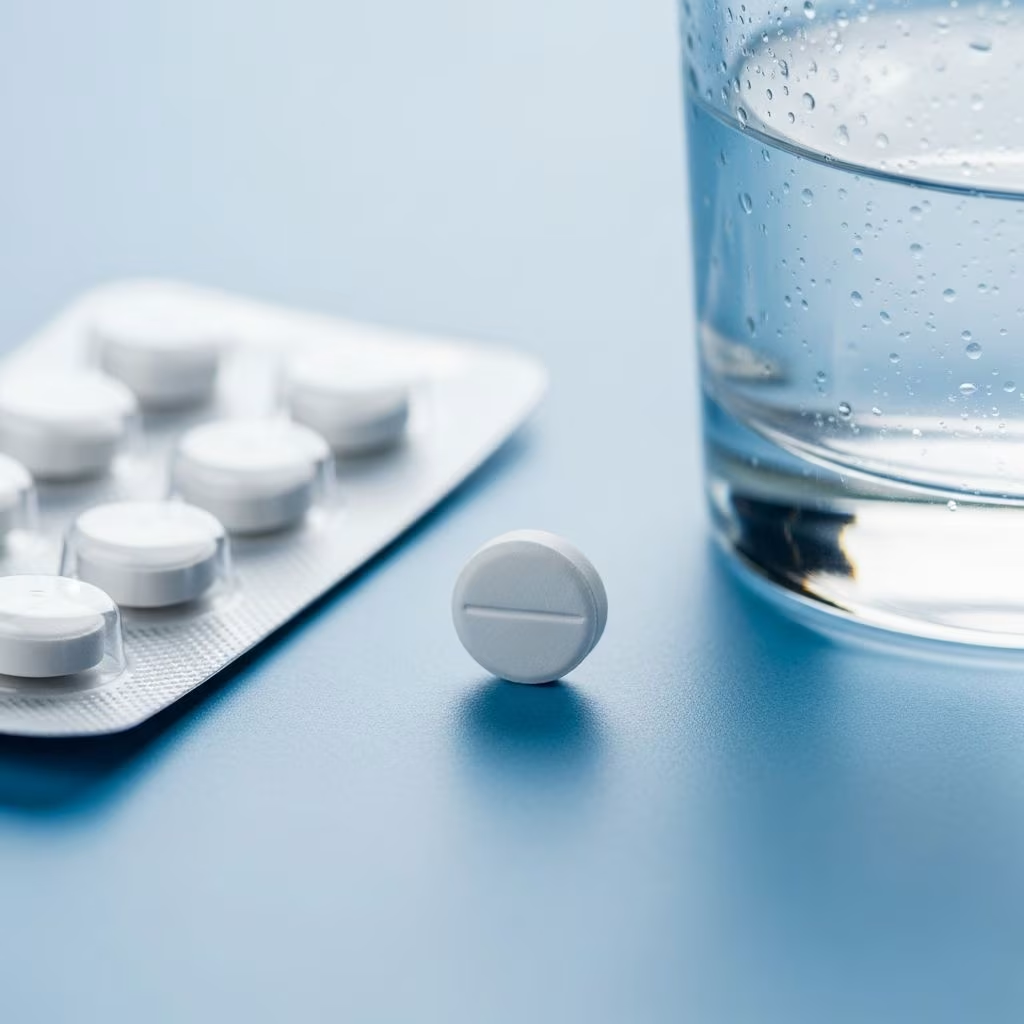
| Available as | Tablet, capsule, soluble tablet, extended-release tablet, ‘melt in the mouth’ tablet, chewable tablet, oral liquid, and suppository |
Unlike NSAIDs like ibuprofen, acetaminophen does not reduce inflammation but works by elevating the body’s pain threshold and aiding heat elimination to lower fever. It is suitable for people with stomach issues, those on aspirin therapy, kidney disease patients, or adults over 60.
Healthcare providers often recommend it as a first-line treatment for mild pain or in combination with opioids for moderate-to-severe pain. Its safety profile makes it a staple in multimodal pain management plans.
Before taking acetaminophen
Consult a healthcare professional before use if you have specific conditions or take other medications. Key precautions include:
- Pregnancy, trying to conceive, or breastfeeding: Use only on physician recommendation.
- Serious liver problems or daily alcohol consumption of 3+ drinks: Contraindicated or requires caution due to hepatotoxicity risk.
- Currently taking prescribed medications: Check for interactions.
- History of allergic reactions to medicines.
- Using over-the-counter, herbal, or complementary medicines: Verify acetaminophen content.
Patients with hepatic impairment should avoid it, as it is metabolized by the liver. Those on warfarin need monitoring for bleeding risks.
Always disclose full medical history to ensure safe use. For children under 2 or those with weight-based concerns, professional advice is essential.
How to take acetaminophen
Read the manufacturer’s leaflet for detailed instructions, side effects, and warnings. Take exactly as directed by your physician, pharmacist, or label.
Dosing guidelines:
| Group | Dose | Frequency |
|---|---|---|
| Adults and teenagers | 650-1000 mg | Every 4-6 hours as needed; max 4,000 mg/day (3,000 mg for Extra Strength Tylenol) |
| Children 2-3 years (24-35 lb) | 160 mg (5 ml oral liquid) | Every 4-6 hours; max 4 doses/day |
| Children under 2 years | Consult physician/pharmacist | – |
Leave at least 4 hours between doses. Take with or without food. Use provided measuring devices for liquids; never exceed recommended amounts to prevent liver damage.
For suppositories or extended-release forms, follow specific instructions. If pain persists, seek further advice rather than increasing dose.
Getting the most from your treatment
Maximize benefits while minimizing risks:
- If pain unrelieved, consult pharmacist or physician—do not exceed dose.
- Avoid multiple acetaminophen-containing products (e.g., cold/flu remedies). Always check labels.
- Inform surgeons or dentists before procedures.
- Buy compatible medicines only after pharmacist approval.
Acetaminophen is ideal for short-term use. Track intake to stay under daily limits. For chronic pain, integrate into broader plans with professional oversight.
Can acetaminophen tablets cause problems?
Rarely causes side effects at recommended doses, but monitor for issues and report to a healthcare provider.
Common concerns:
- Liver damage: Primary risk from overdose (>4,000 mg/day), alcohol use, or liver disease. Symptoms may be delayed; seek emergency care immediately.
- Skin reactions: Rare severe cases like rash, blisters—discontinue and seek help.
- Other: Allergic reactions, nausea (uncommon).
Overdose is a medical emergency: Go to ER even if asymptomatic, bringing the container. Liver failure can be fatal.
Frequently Asked Questions (FAQs)
Q: What is the maximum daily dose of acetaminophen?
A: 4,000 mg for most adults (3,000 mg for Extra Strength); do not exceed to avoid liver damage.
Q: Can I take acetaminophen with alcohol?
A: Avoid or limit; 3+ drinks daily increases liver risk significantly.
Q: Is acetaminophen safe during pregnancy?
A: Generally safe in recommended doses, but consult a doctor first.
Q: How does acetaminophen differ from ibuprofen?
A: Acetaminophen targets pain/fever without anti-inflammatory effects; ibuprofen reduces inflammation.
Q: What should I do if I overdose?
A: Go to the nearest emergency room immediately, even if feeling well—bring the product.
References
- Acetaminophen (Acephen, Tylenol) | Medicine — Patient.info. 2024. https://patient.info/medicine/acetaminophen-panadol-tylenol
- Acetaminophen – StatPearls — NCBI Bookshelf / NIH. 2024-07-24. https://www.ncbi.nlm.nih.gov/books/NBK482369/
- Acetaminophen (oral route, rectal route) — Mayo Clinic. 2024. https://www.mayoclinic.org/drugs-supplements/acetaminophen-oral-route-rectal-route/description/drg-20068480
- Acetaminophen Explained: Uses, Dosage & Safety — Tylenol.com (official). 2024. https://www.tylenol.com/safety-dosing/what-is-acetaminophen
- Acetaminophen: Your care instructions — MyHealth Alberta (gov). 2024. https://myhealth.alberta.ca/Health/Pages/conditions.aspx?hwid=custom.ab_acetaminophen_ac_adult
- Acetaminophen Capsules or Tablets: Uses & Side Effects — Cleveland Clinic. 2024. https://my.clevelandclinic.org/health/drugs/18829-acetaminophen-capsules-or-tablets
- Acetaminophen — U.S. FDA. 2024. https://www.fda.gov/drugs/information-drug-class/acetaminophen