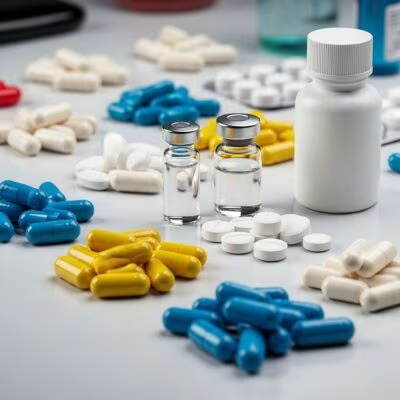
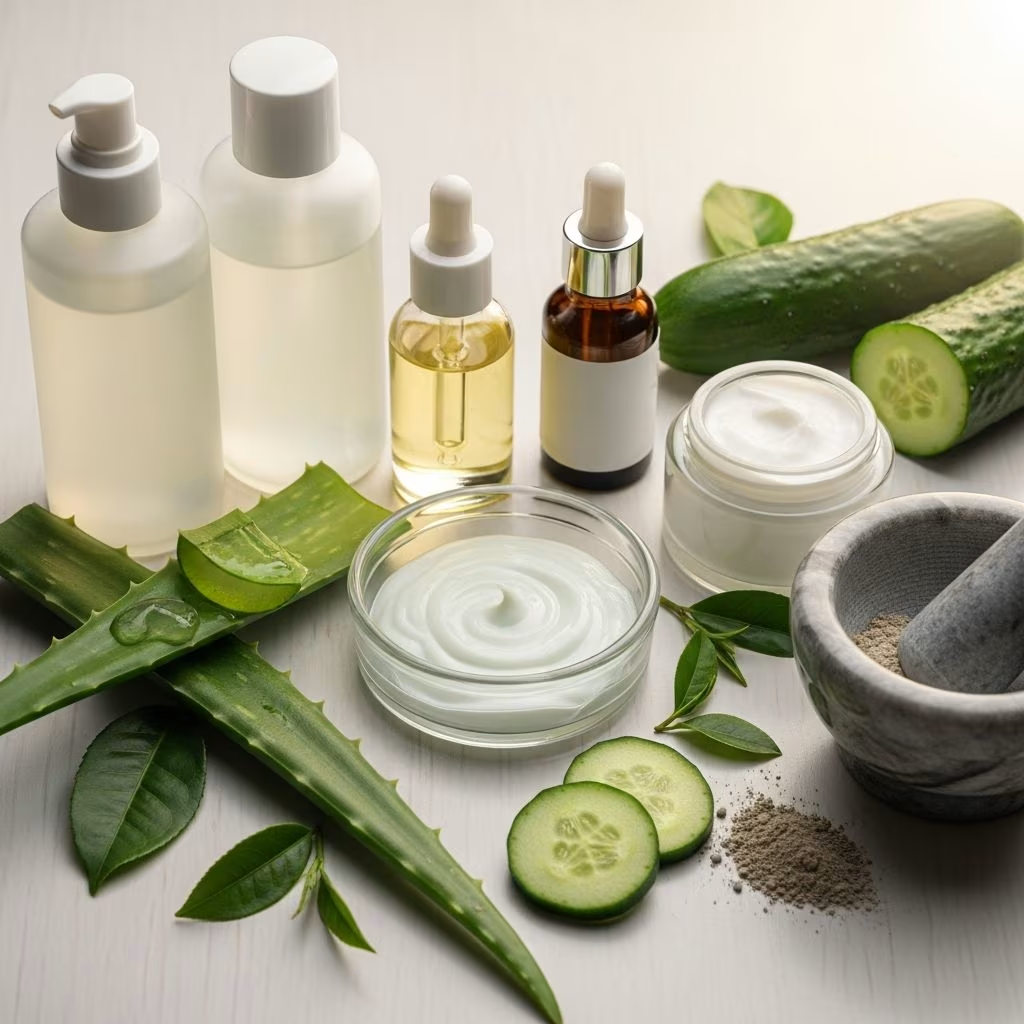
Acne affects millions worldwide, manifesting as pimples, blackheads, whiteheads, and cysts due to clogged pores, excess oil, bacteria, and inflammation. Effective management requires a tailored approach based on severity, from mild over-the-counter remedies to prescription systemic therapies.
Understanding Acne Severity Levels
Acne is classified by lesion type and extent: mild involves few non-inflammatory comedones; moderate includes papules and pustules; severe features nodules and cysts risking scarring. Treatment escalates accordingly, prioritizing prevention of long-term damage.
- Mild acne: Primarily comedonal, responsive to topicals.
- Moderate acne: Inflammatory lesions needing combined therapies.
- Severe acne: Deep nodules requiring systemic intervention.
Foundational Skincare Practices
Gentle cleansing twice daily with mild, non-comedogenic soap removes excess oil without stripping the skin barrier. Avoid harsh scrubs, astringents, or frequent washing, which exacerbate irritation.
Incorporate non-comedogenic moisturizers and broad-spectrum sunscreen daily, as treatments like retinoids increase sun sensitivity.
Over-the-Counter Topical Options
Initial therapy often starts with accessible products targeting oil, bacteria, and dead skin.
| Ingredient | Mechanism | Common Forms | Potential Side Effects |
|---|---|---|---|
| Benzoyl Peroxide | Kills Propionibacterium acnes bacteria, reduces inflammation | Gels, washes (2.5-10%) | Dryness, redness, bleaching fabrics |
| Salicylic Acid | Exfoliates pores, unclogs comedones | Cleansers, pads (0.5-2%) | Mild stinging, peeling |
| Adapalene (OTC strength) | Retinoid-like, promotes cell turnover | Gel (0.1%) | Initial irritation |
Consistency yields results in 4-8 weeks; start low to build tolerance.
Prescription Topical Therapies
For persistent cases, dermatologists prescribe stronger agents.
- Retinoids: Tretinoin, adapalene, tazarotene normalize keratinization, prevent follicle clogging. Apply evenings, 3x/week initially.
- Topical Antibiotics: Clindamycin, erythromycin reduce bacteria and inflammation; pair with benzoyl peroxide to curb resistance. Not for solo use.
- Other Agents: Azelaic acid kills bacteria and fades hyperpigmentation; dapsone targets inflammation; clascoterone blocks hormones.
Combinations enhance efficacy: e.g., retinoid + benzoyl peroxide mornings/evenings.
Oral Medications for Moderate to Severe Acne
Systemic drugs address widespread or deep inflammation.
- Antibiotics: Tetracyclines (doxycycline, minocycline) preferred for 3 months max, combined with topicals.
- Hormonal Therapies (Females): Combined oral contraceptives or spironolactone regulate androgens.
- Isotretinoin: For recalcitrant severe acne, reduces oil production dramatically. Requires monitoring for side effects like dry skin, lipids, mood.
Advanced Procedural Interventions
Adjunct procedures complement medications.
- Chemical Peels: Salicylic or glycolic acid exfoliate for mild acne.
- Light and Laser Therapy: Target bacteria and oil glands; multiple sessions needed.
- Extraction/Drainage: Removes stubborn comedones or cysts.
- Steroid Injections: Rapidly shrink nodules.
Treatment Strategies by Severity
| Severity | First-Line Therapy | Alternatives |
|---|---|---|
| Mild | Benzoyl peroxide or topical retinoid | Add topical antibiotic |
| Moderate | Topical retinoid + benzoyl peroxide + antibiotic | Oral antibiotic + topicals |
| Severe | Oral isotretinoin or oral antibiotic + topicals | Hormonal agents |
Side Effects and Management
Common issues include dryness, redness, peeling. Mitigate with moisturizers, gradual introduction, and short-contact application. Monitor for antibiotic resistance or isotretinoin risks like teratogenicity.
Lifestyle Factors Influencing Acne
Diet high in dairy/glycemic foods may worsen; low-glycemic diets help some. Stress management and hygiene reduce flares.
When to Consult a Dermatologist
Seek professional care for scarring, cysts, or no improvement after 8-12 weeks of OTC use.
FAQs
How long until acne treatments work?
Typically 4-12 weeks; full clearance may take 6 months.
Can I use multiple treatments together?
Yes, but follow guidance to avoid irritation; e.g., separate retinoids and benzoyl peroxide.
Is acne treatment safe during pregnancy?
Avoid retinoids and isotretinoin; use azelaic acid or erythromycin.
Does acne always scar?
Not if treated early; severe nodules pose higher risk.
Patient Expectations and Adherence
Acne therapy demands patience; initial worsening (purging) with retinoids is common. Track progress with photos and adhere to regimens for best outcomes.
References
- Acne – Diagnosis and treatment – Mayo Clinic — Mayo Clinic. 2023-10-15. https://www.mayoclinic.org/diseases-conditions/acne/diagnosis-treatment/drc-20368048
- Acne clinical guideline — American Academy of Dermatology. 2024-02-01. https://www.aad.org/member/clinical-quality/guidelines/acne
- Acne Vulgaris: Treatment Guidelines from the AAD — AAFP. 2017-06-01. https://www.aafp.org/pubs/afp/issues/2017/0601/p740.html
- Acne Vulgaris — NCBI Bookshelf. 2023-07-17. https://www.ncbi.nlm.nih.gov/books/NBK459173/
- Acne – Treatment — NHS. 2023-11-20. https://www.nhs.uk/conditions/acne/treatment/