
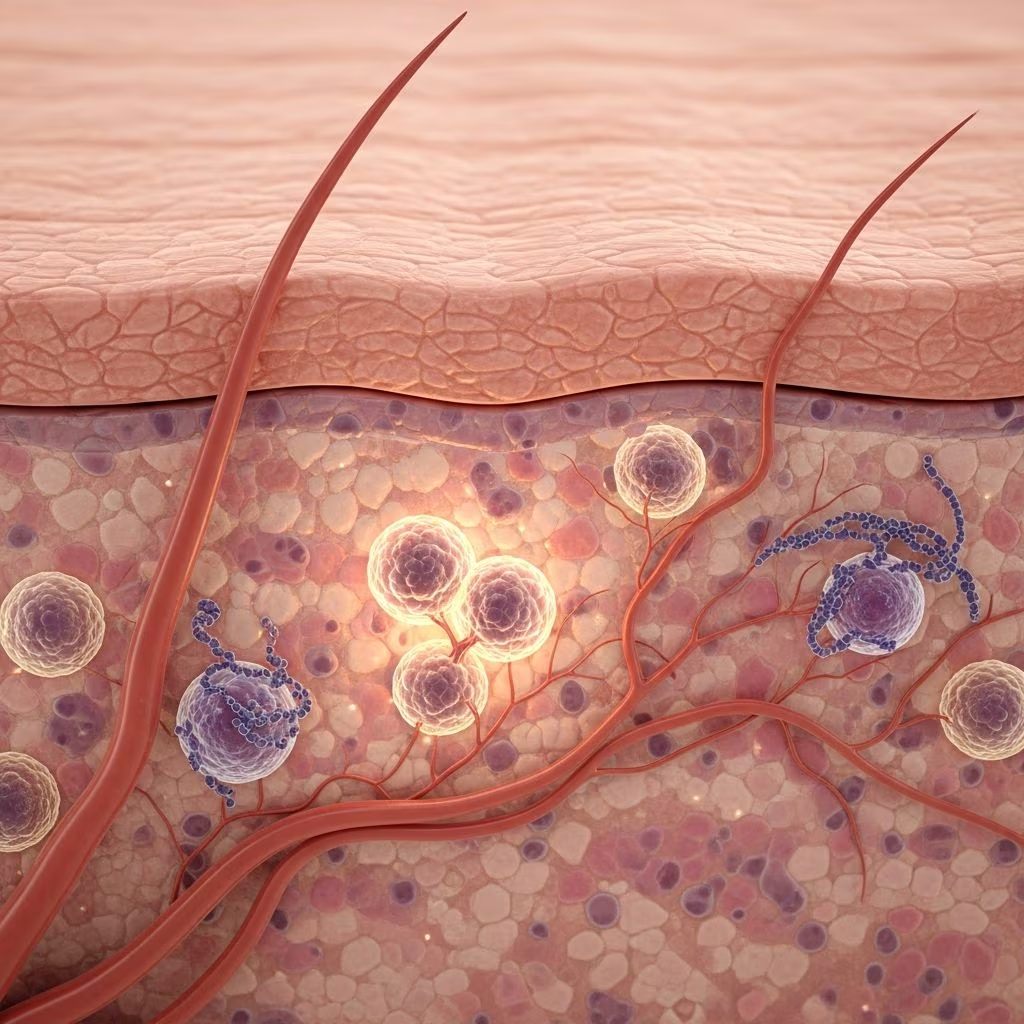
Advanced skin cancers, including melanoma and non-melanoma types like squamous cell carcinoma (SCC) and basal cell carcinoma (BCC), pose significant health risks when they spread beyond the skin. Understanding these cancers is crucial for early intervention and effective treatment. This article outlines 10 essential facts based on authoritative sources, empowering you with knowledge to recognize risks, pursue timely care, and explore modern therapies.
1. Advanced Skin Cancer Means It Has Spread
Advanced skin cancer refers to malignancy that has metastasized beyond its origin, often to lymph nodes, organs, or distant sites. For melanoma, this typically means stage III or IV, where cancer invades deeper skin layers or spreads systemically. Non-melanoma cancers like metastatic SCC or BCC are rarer but equally serious, often linked to immunosuppression or large neglected tumors.
Early detection via regular skin checks can prevent advancement. Symptoms include persistent sores, changing moles, or lumps that bleed or crust. Unlike localized cancers treatable by simple excision, advanced cases require systemic therapies like immunotherapy or targeted drugs.
2. Not All Skin Cancers Are Created Equal
Skin cancers vary widely: melanoma arises from pigment cells and is most lethal due to rapid metastasis. Non-melanoma skin cancers (NMSC), including SCC and BCC, are more common but usually less aggressive. However, advanced NMSC, particularly SCC in immunosuppressed patients, can metastasize to lungs or bones.
- Melanoma: Accounts for most skin cancer deaths; driven by UV exposure and genetic mutations like BRAF.
- SCC: From squamous cells; advanced cases treated with immunotherapy like cemiplimab.
- BCC: Slow-growing; rarely metastasizes but locally invasive in advanced forms, responsive to hedgehog inhibitors like vismodegib.
Recognizing differences guides treatment: surgery suffices for early NMSC, while advanced melanoma demands immunotherapy.
3. Melanoma Is the Deadliest Form
Melanoma causes over 90% of skin cancer fatalities despite comprising only 1% of cases. It spreads quickly via lymphatics or bloodstream, with stage IV survival historically poor but improving via new therapies. Risk factors include fair skin, UV exposure, and family history.
Advanced melanoma (stages III-IV) involves tumors >2mm thick, ulceration, or nodal involvement. Use the ABCDE rule for moles: Asymmetry, Border irregularity, Color variation, Diameter >6mm, Evolving changes.
4. Immunotherapy Has Transformed Treatment
Immunotherapy harnesses the immune system against cancer cells, revolutionizing advanced skin cancer care. Checkpoint inhibitors like pembrolizumab (Keytruda), nivolumab (Opdivo), and ipilimumab (Yervoy) block PD-1/CTLA-4, enabling T-cell attack on tumors.
- PD-1 inhibitors: First-line for stage IV melanoma; response rates up to 40-50%.
- Combinations: Nivolumab + ipilimumab boost efficacy but increase toxicity.
- For NMSC: Cemiplimab approved for metastatic SCC.
Other options include TIL therapy (lifileucel) and oncolytic viruses like T-VEC (Imlygic), injected into lesions. Side effects include fatigue, rash, and autoimmune reactions, requiring monitoring.
5. Targeted Therapies for Specific Mutations
About 50% of melanomas harbor BRAF mutations, treatable with targeted drugs like vemurafenib + cobimetinib or encorafenib + binimetinib. These inhibit mutated proteins driving growth, yielding rapid responses but potential resistance.
For NMSC, hedgehog pathway inhibitors (vismodegib, sonidegib) target BCC with genetic alterations. NRAS or NTRK mutations also have approved agents. Genetic testing is standard for advanced cases.
| Cancer Type | Common Mutation | Targeted Therapy |
|---|---|---|
| Melanoma | BRAF V600 | BRAF + MEK inhibitors |
| BCC | Hedgehog pathway | Vismodegib/Sonidegib |
| SCC (rare) | PD-L1 high | Checkpoint inhibitors |
These therapies often combine with immunotherapy for synergy.
6. Surgery Remains Cornerstone, Even in Advanced Stages
For stage III melanoma, wide excision with sentinel lymph node biopsy (SLNB) assesses spread. Positive nodes may prompt dissection or adjuvant therapy. Mohs surgery excels for facial NMSC, preserving tissue.
In stage IV, metastasectomy removes isolated lesions if feasible, followed by systemic treatment. Radiation aids symptom control in unresectable sites.
7. Survival Rates Are Improving Dramatically
Historical 5-year survival for metastatic melanoma was <10%; now, immunotherapy yields 50%+ long-term responses. Stage III adjuvant therapy reduces recurrence by 50%.
Advanced NMSC survival varies: metastatic SCC ~25-40%, but immunotherapy improves prognosis. Early detection drives best outcomes; UV protection prevents progression.
8. Clinical Trials Offer Hope for Non-Responders
Clinical trials test novel agents like next-gen checkpoint inhibitors, vaccines, and CAR-T cells. Eligible for stages III-IV or refractory cases, trials at NCI-designated centers provide access to unapproved therapies.
Examples: TIL therapy expansions, combo targeted/immuno regimens. Discuss with oncologists via ClinicalTrials.gov.
9. Prevention and Early Detection Save Lives
UV avoidance (sunscreen SPF 30+, shade, clothing) cuts risk 50%+. Self-exams monthly, dermatologist annually for high-risk individuals.
Actinic keratosis, a precursor, responds to topical imiquimod or photodynamic therapy. Biopsies confirm suspicious lesions promptly.
10. Multidisciplinary Care Is Essential
Advanced skin cancer demands teams: dermatologists, oncologists, surgeons, pathologists. Genetic counseling for hereditary risks (e.g., CDKN2A mutations).
Supportive care addresses pain, lymphedema, psych impacts. Patient advocacy groups like Skin Cancer Foundation aid navigation.
Frequently Asked Questions (FAQs)
What are signs of advanced skin cancer?
Symptoms include non-healing sores, changing moles, lumps, itching, bleeding, or crusting. Seek biopsy for persistence >2 weeks.
Is immunotherapy suitable for all advanced skin cancers?
Primarily for melanoma and PD-L1+ SCC; testing determines eligibility. Side effects require specialist oversight.
How effective are targeted therapies?
BRAF/MEK inhibitors shrink 70% of eligible melanomas rapidly, though resistance develops; best in combinations.
Can advanced skin cancer be cured?
Yes, especially stage III with adjuvant therapy; stage IV durable remissions occur in 30-50% via immunotherapy.
What lifestyle changes prevent progression?
Avoid tanning beds, use broad-spectrum sunscreen, self-exams, and avoid immunosuppression when possible.
References
- Treatment of Melanoma Skin Cancer, by Stage — American Cancer Society. 2024. https://www.cancer.org/cancer/types/melanoma-skin-cancer/treating/by-stage.html
- Immunotherapy by Cancer Type: Skin Cancer — Cancer Research Institute. 2024. https://www.cancerresearch.org/immunotherapy-by-cancer-type/skin-cancer
- Skin Cancer Treatment – NCI — National Cancer Institute. 2024. https://www.cancer.gov/types/skin/patient/skin-treatment-pdq
- Skin Cancer Symptoms & Treatment — Aurora Health Care. 2024. https://www.aurorahealthcare.org/services/cancer/skin-cancer-melanoma
- Skin Cancer – Diagnosis and Treatment — Mayo Clinic. 2024. https://www.mayoclinic.org/diseases-conditions/skin-cancer/diagnosis-treatment/drc-20377608