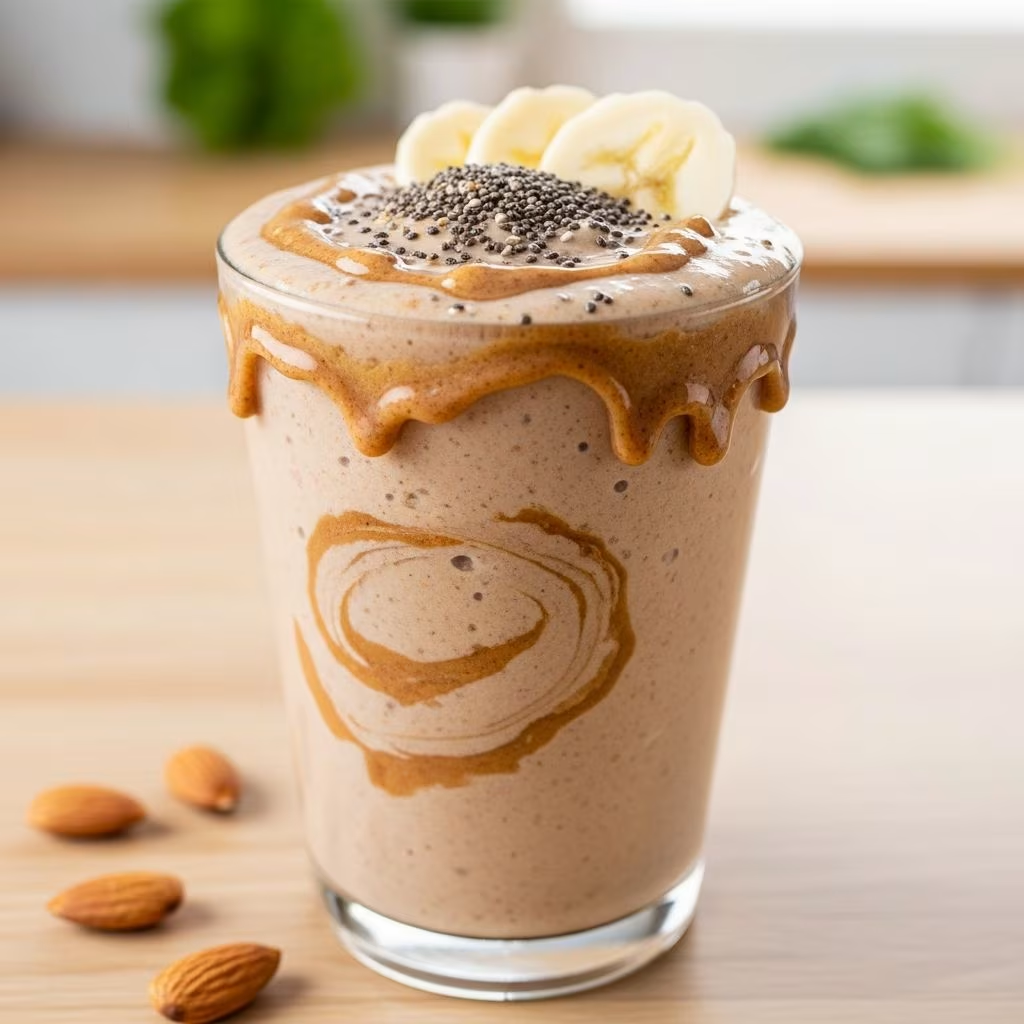
This Almond Butter Banana Protein Smoothie is a game-changer for anyone seeking a quick, nutrient-dense meal or snack. Blending ripe bananas, creamy almond butter, protein powder, and unsweetened almond milk, this recipe delivers 15 grams of protein per serving in under 5 minutes. It’s naturally sweetened, vegan, gluten-free, and ideal for busy mornings, post-workout recovery, or an afternoon energy boost. With heart-healthy fats from almond butter and potassium-rich bananas, it keeps you full and fueled without added sugars.
Why You’ll Love This Recipe
Busy lifestyles demand convenient nutrition, and this smoothie checks every box. Here’s why it stands out:
- Quick Preparation: Ready in 5 minutes with minimal cleanup—no cooking required.
- High Protein: 15g per serving supports muscle repair and satiety, perfect for athletes or those on high-protein diets.
- Nutrient-Packed: Bananas provide potassium for heart health and muscle function, while almond butter offers vitamin E, magnesium, and monounsaturated fats.
- Customizable: Easily tweak for dietary needs—vegan, dairy-free, nut-free options available.
- Deliciously Creamy: Freezing the banana creates a thick, ice-cream-like texture without dairy.
According to USDA data, bananas contribute essential electrolytes, aiding hydration post-exercise, while almonds (in butter form) are linked to improved cholesterol levels in peer-reviewed studies.
Ingredients
Makes 1 serving (about 16 ounces). Scale up for multiple servings.
| Ingredient | Amount | Notes |
|---|---|---|
| Frozen banana | 1 medium (about 4-5 inches) | Slice and freeze overnight for creaminess. Use ripe bananas for natural sweetness. |
| Almond butter | 2 tablespoons | Choose natural, unsweetened varieties with just almonds and salt. Peanut butter works as substitute. |
| Unflavored protein powder | 2 tablespoons (or 1 scoop) | Whey, plant-based, or collagen. Adjust for desired protein (15-20g total). |
| Almond milk, unsweetened | 1 cup | Oat, soy, or dairy milk alternatives. Use more for thinner consistency. |
| Optional add-ins | To taste | Cinnamon, vanilla extract, spinach, chia seeds, or cocoa powder. |
Nutrition per serving (approximate): 350 calories, 15g protein, 20g fat, 35g carbs, 8g fiber, 20g sugar (natural from banana).
Directions
- Prep the banana: Peel and slice 1 medium banana. Freeze in a bag for at least 4 hours or overnight. This creates the smoothie’s signature thick texture.
- Add ingredients to blender: Place frozen banana slices, 2 tbsp almond butter, 2 tbsp protein powder, and 1 cup almond milk in a high-speed blender.
- Blend until smooth: Start on low, then increase to high. Blend 30-60 seconds, scraping sides as needed. Add 1-2 tbsp more milk if too thick.
- Serve immediately: Pour into a glass or portable bottle. Enjoy right away for best texture.
Total time: 5 minutes. Equipment needed: Blender (high-speed recommended for frozen fruit).
Nutrition Information
This smoothie is a balanced powerhouse. Detailed breakdown per serving:
| Nutrient | Amount | % Daily Value* |
|---|---|---|
| Calories | 350 | 18% |
| Total Fat | 20g | 26% |
| Saturated Fat | 2g | 10% |
| Protein | 15g | 30% |
| Total Carbohydrates | 35g | 13% |
| Dietary Fiber | 8g | 29% |
| Sugars | 20g | – |
| Potassium | 800mg | 17% |
*Percent Daily Values based on a 2,000-calorie diet. Values vary by brands; calculate precisely with your ingredients.
Recipe Tips and Variations
Elevate your smoothie game with these expert tips:
- Texture Perfection: Always use frozen bananas—no ice needed, avoiding dilution.
- Boost Protein: Add Greek yogurt (5g extra protein) or double the powder for 25g+.
- Flavor Twists:
- Chocolate: 1 tbsp cocoa powder + pinch salt.
- Green: Handful spinach (adds vitamins without taste change).
- Tropical: Swap half banana for pineapple chunks.
- Make-Ahead: Prep frozen banana portions in bags for grab-and-blend convenience.
- Allergen Swaps: Sunflower seed butter for nut-free; hemp protein for soy-free.
For families, multiply by 2-4 and divide into jars for meal prep.
Health Benefits
Beyond taste, this smoothie supports overall wellness:
- Muscle Recovery: Protein and potassium reduce soreness after workouts. A study in the Journal of the International Society of Sports Nutrition highlights post-exercise smoothies’ efficacy.
- Heart Health: Almond butter’s fats lower LDL cholesterol, per American Heart Association guidelines.
- Sustained Energy: Fiber and fats prevent blood sugar spikes, ideal for steady focus.
- Weight Management: High satiety score helps control hunger; aligns with USDA MyPlate recommendations for plant-based proteins.
It’s diabetic-friendly with low glycemic impact from whole foods.
Common Questions
Can I make this without protein powder?
Yes! Use Greek yogurt, silken tofu, or oats for 8-10g protein. It remains creamy and filling.
Is it good for weight loss?
Absolutely—its 350 calories are nutrient-dense, promoting fullness. Pair with balanced meals.
How do I freeze bananas properly?
Peel, slice into 1-inch pieces, freeze flat on a sheet, then bag to prevent sticking.
Can I use fresh banana?
Yes, but add ½ cup ice for thickness. Frozen yields superior creaminess.
Storage tips?
Best fresh. Refrigerate up to 24 hours; shake before drinking as separation occurs.
Similar Recipes
- Peanut Butter Banana Smoothie – Nutty twist with 18g protein.
- Green Protein Smoothie – Veggie-packed for extra micronutrients.
- Berry Almond Smoothie – Antioxidant boost with mixed berries.
Rate this recipe and share your variations in the comments!
References
- Dietary Guidelines for Americans, 2020-2025 — United States Department of Agriculture (USDA). 2020-12-01. https://www.dietaryguidelines.gov/sites/default/files/2020-12/Dietary_Guidelines_for_Americans_2020-2025.pdf
- International Society of Sports Nutrition position stand: protein and exercise — J Int Soc Sports Nutr. 2017-06-20. https://doi.org/10.1186/s12970-017-0177-8
- Almonds and Cardiovascular Health — American Heart Association. 2023-05-15. https://www.heart.org/en/healthy-living/healthy-eating/eat-smart/nutrition-basics/almonds
- Nutrient Database for Standard Reference — USDA FoodData Central. 2024-01-10. https://fdc.nal.usda.gov/