
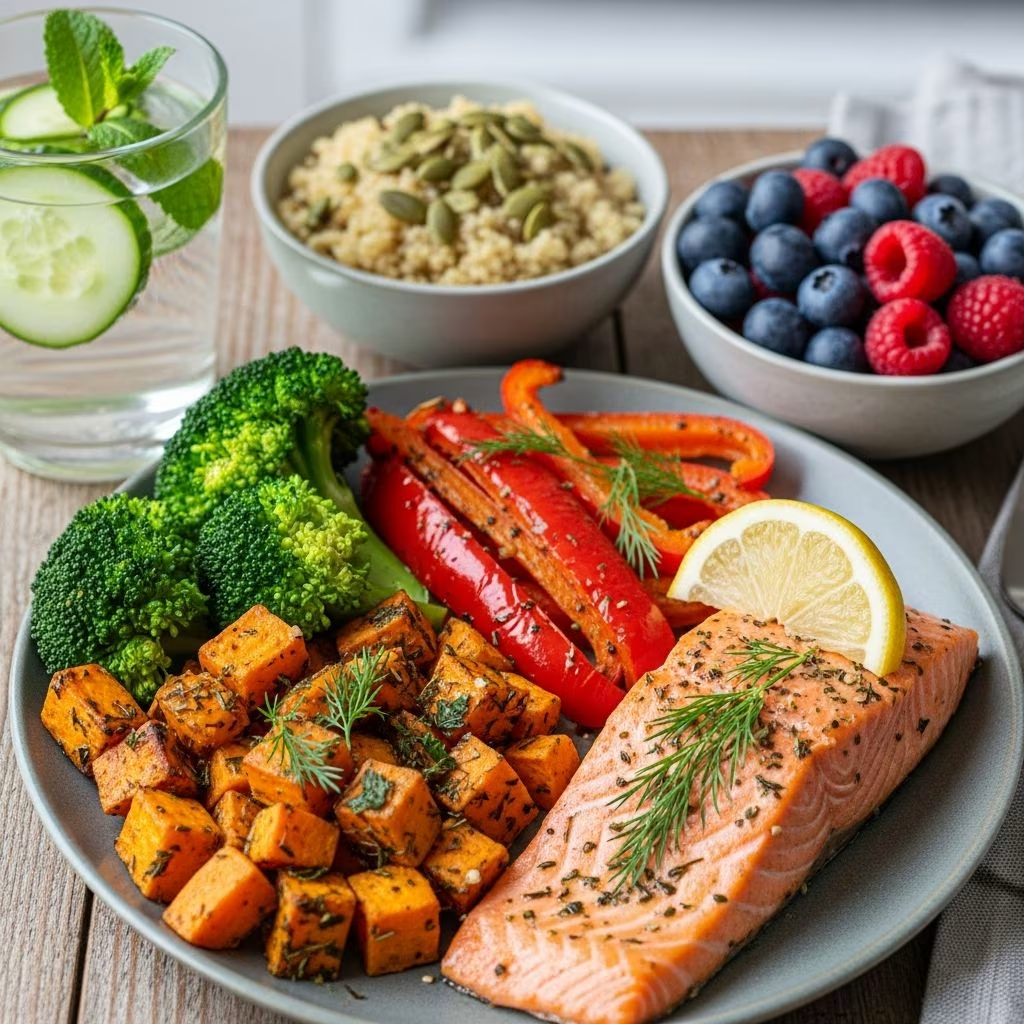
Inflammation plays a central role in conditions like arthritis, contributing to pain, stiffness, and joint damage. While no single food cures arthritis, research shows that an anti-inflammatory diet can significantly lower inflammation markers, reduce symptoms, and enhance quality of life. Diets like the Mediterranean pattern, rich in fruits, vegetables, fish, and healthy fats, have demonstrated benefits in multiple studies by modulating inflammatory pathways through nutrients such as omega-3 fatty acids, antioxidants, and fiber.
What Causes Inflammation?
Inflammatory arthritis, including rheumatoid arthritis (RA), stems from an overactive immune response where the body attacks its own joints, leading to swelling, pain, and tissue damage. Pro-inflammatory compounds like C-reactive protein (CRP) and interleukin-6 rise, exacerbating symptoms. Diet influences this by providing anti-inflammatory nutrients that suppress cytokines, boost short-chain fatty acids via gut health, and neutralize free radicals.
Excess weight amplifies inflammation, as fat tissue releases pro-inflammatory chemicals. Losing even a small amount of weight—through diet and exercise—can reduce knee joint load by four times per pound lost, easing pain and stiffness.
Foods that Fight Inflammation
Focus on whole, nutrient-dense foods to combat inflammation. Key categories include:
- Fatty Fish: Salmon, mackerel, sardines, tuna, and anchovies deliver omega-3 fatty acids (EPA and DHA) that lower CRP and interleukin-6. Aim for 3-4 ounces twice weekly.
- Fruits and Vegetables: Berries (blueberries, strawberries, cherries), leafy greens (spinach, kale), broccoli, and colorful produce like peppers provide antioxidants, vitamin K, and sulforaphane to reduce inflammatory markers by up to 10-15%.[10]
- Nuts and Seeds: Walnuts, almonds, pistachios, flaxseeds, chia seeds offer monounsaturated fats, fiber, and protein. Consume 1.5 ounces (a handful) daily.
- Whole Grains and Beans: Quinoa, brown rice, oats, and beans supply fiber that lowers CRP more effectively than supplements, while supporting gut microbiome health.
- Healthy Fats: Extra-virgin olive oil and avocados provide anti-inflammatory monounsaturated fats.
- Herbs and Spices: Turmeric (curcumin), ginger reduce pain and swelling via natural compounds.
The Mediterranean Diet: A Proven Approach
The Mediterranean diet stands out as the gold standard for arthritis management. It emphasizes fish over red meat, ample fruits/vegetables, whole grains, nuts, legumes, and olive oil—resulting in lower disease activity, pain, and stiffness. Studies confirm it increases anti-inflammatory omega-3s, vitamin D, and plant nutrients while favoring gut-friendly fibers that produce short-chain fatty acids.
Compared to Western diets high in processed foods and saturated fats, the Mediterranean pattern shifts omega-3 to omega-6 ratios, curbing eicosanoid production—a key inflammation driver.
| Food Group | Recommended Intake | Key Benefits |
|---|---|---|
| Fish | 3-4 oz, 2x/week | Lowers CRP, interleukin-6 |
| Fruits/Veggies | 9+ servings/day | Antioxidants reduce free radicals |
| Nuts | 1.5 oz/day | Fiber, healthy fats lower inflammation |
| Whole Grains/Beans | 1 cup beans 2x/week | Boosts short-chain fatty acids |
Foods and Habits to Avoid
Certain foods promote inflammation and should be limited:
- Added Sugars and Refined Carbs: Soda, candy, white bread spike blood sugar, fueling cytokine production.
- Processed and Fried Foods: High in trans fats and advanced glycation end-products (AGEs) that trigger inflammation.
- Red and Processed Meats: Contain arachidonic acid, promoting pro-inflammatory eicosanoids.
- Saturated Fats: From fatty meats and full-fat dairy; opt for low-fat alternatives.
- Excess Alcohol: Moderation is key; heavy intake worsens inflammation.
Also, prioritize weight management—excess fat promotes inflammatory chemicals—and ensure adequate vitamin D, as deficiencies link to higher arthritis pain.
Sample 7-Day Anti-Inflammatory Meal Plan
This plan incorporates Mediterranean principles for balanced, flavorful meals (approx. 1,800-2,200 calories/day; adjust as needed).
| Day | Breakfast | Lunch | Dinner | Snacks |
|---|---|---|---|---|
| Monday | Oatmeal with berries, walnuts, chia seeds | Grilled salmon salad with spinach, olive oil dressing | Quinoa-stuffed bell peppers with beans, turmeric | Apple with almonds; carrot sticks |
| Tuesday | Greek yogurt with cherries, flaxseeds | Lentil soup, kale side salad | Baked mackerel, broccoli, brown rice | Handful pistachios; orange |
| Wednesday | Smoothie: spinach, banana, ginger, almond milk | Tuna wrap in whole-grain tortilla with veggies | Grilled chicken, sweet potato, asparagus | Yogurt; celery with hummus |
| Thursday | Whole-grain toast, avocado, poached egg | Chickpea salad with tomatoes, cucumber, feta | Sardine pasta with olive oil, garlic, spinach | Berries; sunflower seeds |
| Friday | Chia pudding with strawberries, nuts | Turkey quinoa bowl with mixed greens | Baked salmon, Brussels sprouts, couscous | Pear; walnuts |
| Saturday | Berry parfait with oats, seeds | Veggie stir-fry with tofu, brown rice | Grilled fish tacos with cabbage slaw | Cottage cheese; cucumber slices |
| Sunday | Green smoothie bowl with toppings | Bean burrito bowl, avocado | Herb-roasted chicken, kale salad, potatoes | Mixed nuts; fruit |
Additional Lifestyle Tips
Diet works best alongside other habits:
- Exercise: Combine aerobic (walking, swimming) and strength training to maintain weight and joint mobility.
- Hydration: Drink plenty of water; herbal teas with ginger/turmeric add anti-inflammatory boosts.
- Sleep and Stress Management: Poor sleep heightens inflammation; practices like yoga help.
- Supplements: Consider fish oil if fish intake is low, but consult a doctor. Vitamin D testing is advisable.
Frequently Asked Questions (FAQs)
Can diet cure arthritis?
No diet cures arthritis, but anti-inflammatory eating patterns like Mediterranean reduce symptoms and disease activity per research.
How quickly does diet impact inflammation?
Benefits may appear in weeks; studies show reduced pain and CRP in 4-12 weeks with consistent adherence.
Is the Mediterranean diet suitable for all arthritis types?
Yes, it’s beneficial for RA, osteoarthritis, and others by targeting body-wide inflammation.
What if I can’t eat fish?
Plant sources like flaxseeds, walnuts, chia provide ALA (converts to EPA/DHA); algae supplements are vegan options.
Should I track inflammatory markers?
Consult a doctor for CRP tests to monitor progress alongside symptoms.
Consult a Professional
Individual needs vary—those with food allergies, gluten sensitivity, or medications should work with a registered dietitian. Personalized plans ensure safety and efficacy.
References
- What Can I Eat or Not Eat to Cure My Arthritis? — The Rheumatologist. 2023. https://www.the-rheumatologist.org/article/nutrition-autoimmune-arthritis/
- Effect of Anti-Inflammatory Diets on Pain in Rheumatoid Arthritis — National Library of Medicine (NIH). 2021-12-09. https://pmc.ncbi.nlm.nih.gov/articles/PMC8706441/
- Anti-Inflammatory Diet Do’s and Don’ts — Arthritis Foundation. 2024. https://www.arthritis.org/health-wellness/healthy-living/nutrition/anti-inflammatory/anti-inflammatory-diet
- The Ultimate Arthritis Diet — Arthritis Foundation. 2024. https://www.arthritis.org/health-wellness/healthy-living/nutrition/anti-inflammatory/the-ultimate-arthritis-diet
- Foods for Fighting Inflammation, Arthritis and Joint Pain — Brown University Health. 2023. https://www.brownhealth.org/be-well/foods-fighting-inflammation-arthritis-and-joint-pain
- Eating well with arthritis — Arthritis UK. 2024. https://www.arthritis-uk.org/information-and-support/living-with-arthritis/health-and-wellbeing/eating-well-with-arthritis/