
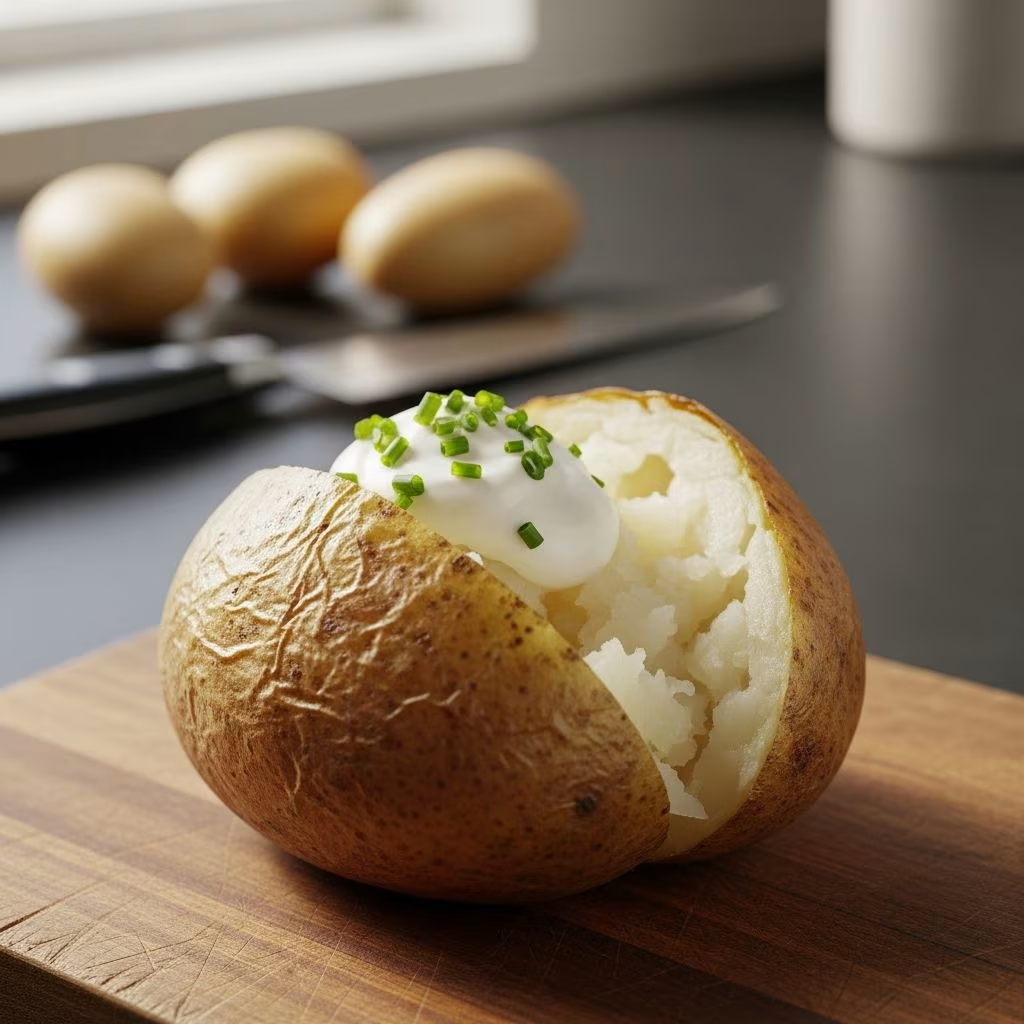
Potatoes are a versatile, affordable staple in many diets worldwide, but their health impact sparks debate due to their carbohydrate content and glycemic effects. While rich in potassium, vitamin C, and fiber—especially with skin on—they can contribute to blood sugar spikes if overconsumed or poorly prepared. Moderation, skin-on cooking, and balanced pairings make them a nutritious choice.
Potato Nutrition Facts
A medium 5.3 oz (150g) skin-on potato delivers 110 calories, 0g fat, 0mg cholesterol, 2g fiber (7% DV), 27mg vitamin C (30% DV), 620mg potassium (15% DV), and 10% DV vitamin B6. These nutrients support immune function, muscle performance, and heart health. Potassium, an electrolyte lost in sweat, aids fluid balance and outperforms bananas (422mg per medium fruit). Iron (6% DV) helps oxygen transport to muscles.
Compared to sweet potatoes, white potatoes provide similar vitamin C, potassium, and protein (3g vs. 2g), with both naturally fat-, cholesterol-, and sodium-free. A baked russet potato (medium) offers 164 calories, 37% women’s potassium DV (28% men’s), and 4g fiber—key for cholesterol management and blood pressure.
| Nutrient (Medium Skin-On Potato, 5.3oz) | Amount | % Daily Value |
|---|---|---|
| Calories | 110 | – |
| Carbohydrates | 26g | 9% |
| Protein | 3g | 6% |
| Fiber | 2g | 7% |
| Vitamin C | 27mg | 30% |
| Potassium | 620mg | 15% |
| Vitamin B6 | 0.2mg | 10% |
| Iron | 1.1mg | 6% |
Potatoes rank high in carbohydrate quality scores (CFQS), similar to legumes, due to low energy density when skin-on.
Health Benefits of Potatoes
Potatoes excel as a nutrient-dense vegetable, providing sustainable energy from complex carbs. Their vitamin C boosts immunity and collagen production; one potato meets 30% daily needs. Potassium (544mg/100g baked) counters sodium for blood pressure control, reducing stroke risk. Foods like potatoes, low in sodium, support cardiovascular health.
- Heart Health: High potassium and fiber improve cholesterol and blood pressure. A medium potato gives 37% women’s potassium RDA.
- Muscle Function: Potassium and B6 aid electrolyte balance and protein metabolism for athletes.
- Antioxidants: Colored varieties (purple/yellow) reduce inflammation markers like C-reactive protein over 6 weeks.
- Weight Management: Low-calorie (92kcal/100g baked), satiety-promoting; studies show potatoes fit weight loss diets without eliminating them.
- Diet Quality: Inclusion raises overall diet quality in children/adults vs. exclusion.
In trials, potatoes matched rice/bagels for glycemic control when isocaloric, and purple potatoes lowered systolic blood pressure.
Potential Downsides of Potatoes
Potatoes’ high glycemic index (GI) causes rapid blood sugar rises, linked to type 2 diabetes (T2DM) risk in high intakes (>100g/day). Meta-analyses show linear risk increase per serving, but most Americans consume <0.5 servings/day, where effects are neutral/positive. Boiling leaches potassium; processed forms (fries) add unhealthy fats.
- High starch converts to glucose quickly, problematic for diabetes.
- Acrylamide forms in high-heat cooking (frying/baking >120°C), a potential carcinogen.
- Low in some vitamins if peeled; fiber mostly in skin (2-3g medium potato).
High potato diets correlate with diabetes/high BMI, but causation unclear—often paired with unhealthy prep.
Are Potatoes Healthier Than Other Carbs?
Versus rice/bread, potatoes offer more potassium/vitamin C but similar GI. Isocaloric swaps show equivalent glucose responses. On Healthy Eating Plate, not a “vegetable” due to starch, but moderate intake (skin-on, minimal oil) fits balanced diets a few times weekly.
| Food (Medium/Serving) | Calories | Potassium (mg) | Fiber (g) | Vitamin C (%DV) |
|---|---|---|---|---|
| White Potato (skin-on) | 110 | 620 | 2 | 30 |
| Sweet Potato | 100 | 440 | 4 | 30 |
| Banana | 105 | 422 | 3 | 15 |
| White Rice (1 cup cooked) | 205 | 55 | 1 | 0 |
Potatoes edge out grains in nutrient density.
How to Prepare Potatoes for Optimal Health
Maximize benefits by keeping skin, avoiding deep-frying. Bake, boil, steam, or microwave; pair with proteins/fats to blunt GI.
- Bake/Roast: Skin-on at 400°F; rub with olive oil for crispiness.
- Microwave: Retains nutrients; poke holes, 5-7 min.
- Boil/Steam: Minimal leaching if brief; cool for resistant starch.
- Avoid: Frying (adds 300+ calories/serving), heavy toppings (sour cream lowers quality score).
Resistant starch forms when cooled (e.g., potato salad), aiding gut health.
Can You Eat Potatoes Every Day?
Yes, in moderation (3-5 servings/week, ~100g/day) within varied diets. Exceeding raises T2DM risk; balance with greens, proteins. Athletes benefit from energy/potassium. Trials confirm no adverse effects in controlled amounts.
Potatoes and Weight Loss
Potatoes promote satiety despite carbs; studies show weight loss possible with inclusion, focusing on total calories. Low energy density aids portion control.
Best Types of Potatoes to Eat
- Russet: Baking, high potassium.
- Sweet: Beta-carotene, fiber.
- Colored (Purple/Yellow): Antioxidants, lower inflammation.
- Yukon Gold/Red: Boiling, creamy texture.
Potato Recipes for Health
Baked Potato with Veggies: Top with broccoli, salsa, yogurt. Potato Soup: Blend boiled potatoes, stock, greens. Roasted Wedges: Toss in herbs/olive oil.
Frequently Asked Questions (FAQs)
Are potatoes a vegetable or a carb?
Botanically a vegetable, nutritionally a starchy carb like grains on plates like Harvard’s Healthy Eating Plate.
Do potatoes cause weight gain?
No, if calories controlled; their fiber/potassium supports satiety and loss.
Are french fries healthy?
No—frying adds fats/acrylamide; opt for baked versions.
Can diabetics eat potatoes?
In small amounts (<100g/day), skin-on, cooled for resistant starch; monitor blood sugar.
Which is healthier: potatoes or rice?
Potatoes win on nutrients; both high GI—prep/pairing matters.
Should you eat potato skins?
Yes—most fiber/nutrients there (2-3g).
References
- Potato Nutrition Facts | Nutrients, Calories, Benefits of a Potato — Potato Goodness. 2023. https://potatogoodness.com/nutrition/
- Are Potatoes Healthy? – The Nutrition Source — Harvard T.H. Chan School of Public Health. 2023-10-12. https://nutritionsource.hsph.harvard.edu/potatoes/
- Perspective: Potatoes, Quality Carbohydrates, and Dietary Patterns — PMC / National Library of Medicine. 2024-01-15. https://pmc.ncbi.nlm.nih.gov/articles/PMC10831888/
- Pass the potatoes, or take a pass? Here’s expert advice — American Heart Association. 2023-11-21. https://www.heart.org/en/news/2023/11/21/pass-the-potatoes-or-take-a-pass-heres-expert-advice