Arthritis encompasses over 100 conditions causing joint inflammation, pain, and stiffness, primarily from cartilage breakdown or immune system attacks.1 While there’s no cure, understanding causes like osteoarthritis, autoimmune responses, and metabolic issues helps manage symptoms effectively.
What Is Arthritis?
Arthritis refers to diseases damaging joints where bones meet, leading to pain, swelling, and reduced mobility.1 It affects more than one-third of Americans, with osteoarthritis impacting about half of adults over time. Common sites include knees, hips, hands, and spine.
- Joints affected: Knees, hips, hands, wrists, ankles, shoulders, and lower back are most vulnerable due to weight-bearing stress and daily use.1
- Prevalence: Extremely common in those over 50, but can strike any age depending on type.
Symptoms vary by type: constant pain from degeneration or flare-ups from inflammation. Early diagnosis via physical exams, imaging, and blood tests is crucial.1
Types of Arthritis
More than 100 types exist, categorized by cause: degenerative, inflammatory, metabolic, or infectious. Here’s a breakdown:
| Type | Description | Primary Cause |
|---|---|---|
| Osteoarthritis (OA) | Most common; ‘wear-and-tear’ arthritis | Cartilage breakdown from age/use |
| Rheumatoid Arthritis (RA) | Autoimmune; affects lining | Immune system attacks joints |
| Gout | Metabolic; sudden painful flares | Uric acid crystal buildup |
| Psoriatic Arthritis | Linked to psoriasis | Autoimmune skin/joint inflammation |
| Post-Traumatic | After injury | Joint damage from trauma |
| Infectious (Septic) | Bacterial/viral | Infection spreads to joint |
Osteoarthritis results from lifelong joint wear, while RA involves immune-mediated inflammation leading to degeneration.1
Osteoarthritis Causes
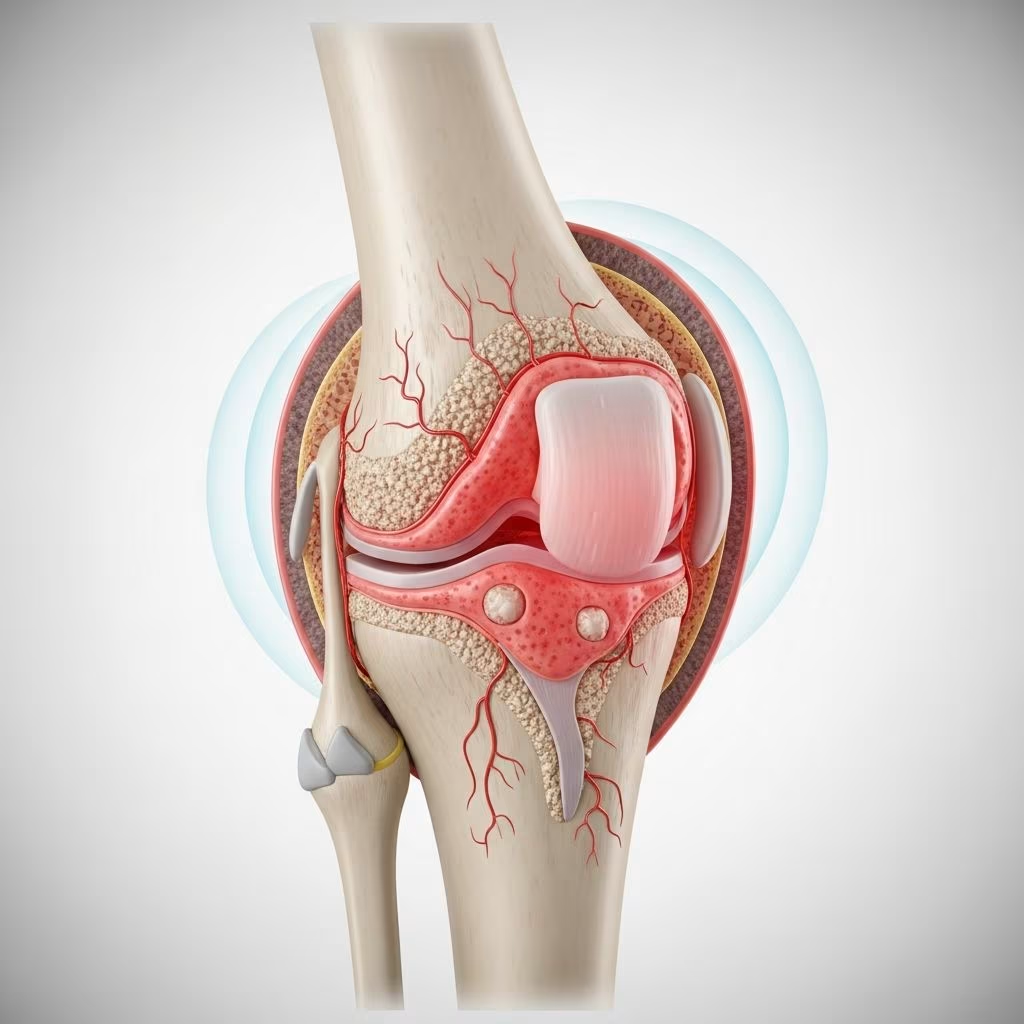
Osteoarthritis (OA) is the leading arthritis type, caused by cartilage erosion between bones.1 Healthy cartilage cushions joints; in OA, it thins, causing bones to rub, spurring pain, stiffness, and bone spurs.
- Age: Natural wear accelerates after 50.
- Obesity: Excess weight stresses weight-bearing joints like knees (4x body weight per pound).
- Injury/Overuse: Repetitive motions (e.g., athletes) or past fractures.
- Genetics: Family history increases risk.
- Misalignment: Bowlegs or uneven hips alter joint mechanics.
Women face higher risk post-menopause due to estrogen drop affecting cartilage. Unlike inflammatory types, OA lacks systemic symptoms.1
Rheumatoid Arthritis Causes
Rheumatoid arthritis (RA) is autoimmune: the body attacks synovium (joint lining), causing swelling, pain, and potential erosion.1 Triggers unknown, but genetic (HLA-DR4 gene) and environmental (smoking) factors suspected.
- Autoimmunity: Immune cells infiltrate joints, releasing enzymes that destroy tissue.
- Sex: 2-3x more common in women (hormonal influence).
- Age: Onset 30-60 years.
- Smoking: Raises antibodies attacking joints.
- Infections: May trigger in genetically prone individuals.
RA is symmetric, affecting both sides, and can impact organs beyond joints.1
Gout Causes
Gout stems from hyperuricemia: excess uric acid forms urate crystals in joints, triggering intense inflammation.1 Uric acid from purine breakdown; kidneys fail to excrete it in some.
- Diet: Red meat, seafood, alcohol (beer) boost purines.
- Genetics: Inherited poor uric acid processing.
- Conditions: Hypertension, diabetes, kidney disease.
- Medications: Diuretics raise levels.
- Dehydration: Concentrates uric acid.
Classic big-toe attack (podagra); flares last days-weeks. Blood tests confirm high uric acid.1
Other Causes of Arthritis
Psoriatic Arthritis
10-30% of psoriasis patients develop this; immune attack links skin scales to joint inflammation.1 Genetics and triggers like injury/strep play roles.
Post-Traumatic Arthritis
Follows fractures, tears, or dislocations; damaged cartilage accelerates OA.1 Common in knees/ankles post-sports accidents.
Infectious Arthritis
Bacteria (staph), viruses, or fungi invade joints via bloodstream/surgery, causing septic arthritis.1 Urgent antibiotics needed to prevent destruction.
Lupus-Related Arthritis
Systemic lupus erythematosus (SLE) autoantibodies inflame joints, often non-erosive.1
Risk Factors for Arthritis
Beyond type-specific causes, shared risks amplify chances:
- Age: OA after 50; RA 30-60.1
- Sex: Women > OA/RA; men > gout.
- Obesity: 4.5x knee OA risk.
- Family History: Genetic predispositions.
- Injury/Job: Repetitive strain (construction, typing).
These interact; e.g., obese women post-menopause face compounded OA risk.1
Prevention and Management
No full prevention, but strategies lower risk:
- Maintain healthy weight to ease joint load.1
- Exercise: Low-impact like swimming strengthens without stress.
- Avoid injury with protective gear.
- Diet: Limit purines for gout; anti-inflammatory foods (fish, veggies).
- Quit smoking to curb RA risk.
Treatments: NSAIDs, DMARDs (RA), colchicine/allopurinol (gout), PT, or surgery.1
Frequently Asked Questions (FAQs)
Can arthritis be cured?
No, but symptoms are manageable with meds, lifestyle, and therapy.1
Does weather worsen arthritis?
Many report flares in cold/humidity; reduced activity and barometric shifts may contribute.1
Is arthritis hereditary?
Genetic factors increase risk, but environment triggers onset.1
When to see a doctor for joint pain?
If pain limits daily activities, swells, or persists.1
Can exercise help arthritis?
Yes; tailored routines build strength and flexibility.1
References
- Arthritis: Symptoms, Causes, Types, Treatment & Prevention — Cleveland Clinic. 2023-11-13. https://my.clevelandclinic.org/health/diseases/12061-arthritis
- Arthritis — Centers for Disease Control and Prevention (CDC). 2024-09-01. https://www.cdc.gov/arthritis/basics/index.html
- Rheumatoid Arthritis — National Institute of Arthritis and Musculoskeletal and Skin Diseases (NIAMS). 2023-07-15. https://www.niams.nih.gov/health-topics/rheumatoid-arthritis
- Gout — Arthritis Foundation. 2025-01-10. https://www.arthritis.org/diseases/gout
- Osteoarthritis — World Health Organization (WHO). 2023-05-20. https://www.who.int/news-room/fact-sheets/detail/osteoarthritis