
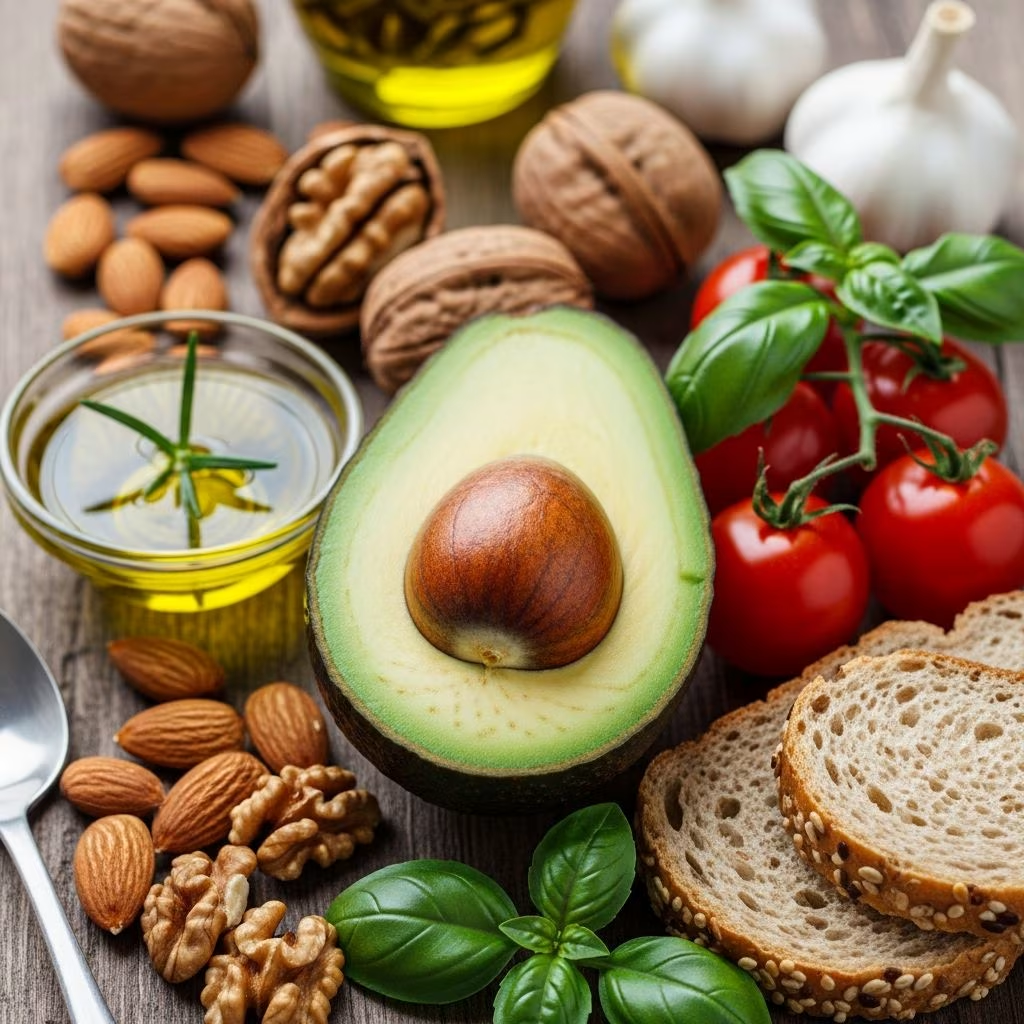
Avocado: The Heart-Healthy Superfood
Avocados have earned their reputation as a nutritional powerhouse, especially when it comes to heart health. Packed with healthy fats, fiber, and essential vitamins and minerals, avocados are more than just a trendy ingredient—they’re a scientifically backed addition to a heart-healthy diet. This article explores the latest research, nutritional profile, and practical ways to include avocados in your meals for optimal health.
Why Avocados Are Good for Your Heart
Avocados are unique among fruits for their high fat content, but these are the healthy, heart-friendly monounsaturated fats. Research from Harvard and other leading institutions has shown that regular avocado consumption is linked to a lower risk of cardiovascular disease.
- Eating at least two servings of avocado per week may lower the risk of heart disease by 16% and heart attack risk by 21%.
- Avocados are rich in oleic acid, a monounsaturated fat also found in olive oil, which helps reduce LDL (bad) cholesterol.
- Replacing saturated fats (like butter, cheese, and processed meats) with avocados can further improve heart health.
Nutritional Profile of Avocados
A medium avocado (about 200 grams) provides a wide range of nutrients:
| Nutrient | Amount per Medium Avocado |
|---|---|
| Calories | 240 |
| Fat | 22g (mostly monounsaturated) |
| Fiber | 10g |
| Carbohydrates | 13g |
| Protein | 3g |
| Potassium | 975mg |
| Folate | 121mcg |
| Magnesium | 58mg |
| Vitamin K | 42mcg |
| Vitamin E | 4mg |
| Vitamin C | 17mg |
| Sodium | 11mg |
Avocados are also a good source of B vitamins, carotenoids (lutein and zeaxanthin), and phytosterols, which help lower cholesterol absorption.
Avocados and Cardiovascular Health
Multiple large-scale studies have examined the relationship between avocado consumption and heart health. One landmark study followed over 110,000 adults for 30 years and found that those who ate two or more servings of avocado per week had a significantly lower risk of heart disease.
- Avocados help lower LDL cholesterol and increase HDL (good) cholesterol.
- The high potassium content helps regulate blood pressure.
- Fiber in avocados supports healthy digestion and helps maintain a healthy weight.
- Phytosterols in avocados interfere with cholesterol absorption, further supporting heart health.
Avocados and the Mediterranean Diet
The nutritional profile of avocados aligns well with the Mediterranean diet, which is widely recommended for heart health. This diet emphasizes fruits, vegetables, whole grains, beans, fish, and healthy plant-based fats like olive oil and avocados.
- Avocados can be used as a substitute for butter, cheese, and processed meats in meals.
- They add richness and flavor to salads, sandwiches, and grain dishes.
- Avocados are a popular choice for vegan and vegetarian diets due to their high fat and protein content.
Avocados and Type 2 Diabetes
Avocados are also beneficial for people with or at risk of type 2 diabetes. Their low glycemic index (about 40) means they are less likely to cause spikes in blood sugar.
- High fiber content helps regulate blood sugar levels.
- Monounsaturated fats improve insulin sensitivity.
- Replacing saturated fats with avocados can reduce the risk of type 2 diabetes.
How to Include Avocados in Your Diet
Avocados are versatile and can be enjoyed in many ways:
- As a spread on toast instead of butter or mayonnaise.
- Added to salads for extra creaminess and nutrition.
- Blended into smoothies for a creamy texture.
- Used in guacamole or as a topping for tacos and burritos.
- Substituted for cheese or sour cream in recipes.
Frequently Asked Questions (FAQs)
Q: How many avocados should I eat per week for heart health?
A: Eating at least two servings (about half an avocado each) per week is associated with a lower risk of heart disease.
Q: Are avocados high in calories?
A: Yes, avocados are calorie-dense due to their healthy fat content, but they are also very filling and nutrient-rich.
Q: Can avocados help lower cholesterol?
A: Yes, the monounsaturated fats and phytosterols in avocados can help lower LDL cholesterol levels.
Q: Are avocados good for people with diabetes?
A: Yes, avocados have a low glycemic index and can help regulate blood sugar levels.
Q: Can I eat avocados every day?
A: Yes, avocados can be eaten daily as part of a balanced diet, but moderation is key due to their calorie content.
References
- Weekly Avocado Consumption May Lower Heart Disease Risk — West Pak Avocado. 2024. https://www.westpakavocado.com/weekly-avocado-consumption-lower-heart-disease-risk/
- Avocados – The Nutrition Source — Harvard T.H. Chan School of Public Health. 2024. https://nutritionsource.hsph.harvard.edu/avocados/
- What are the health benefits of avocados? — Harvard T.H. Chan School of Public Health. 2024. https://hsph.harvard.edu/news/what-are-the-health-benefits-of-avocados/