
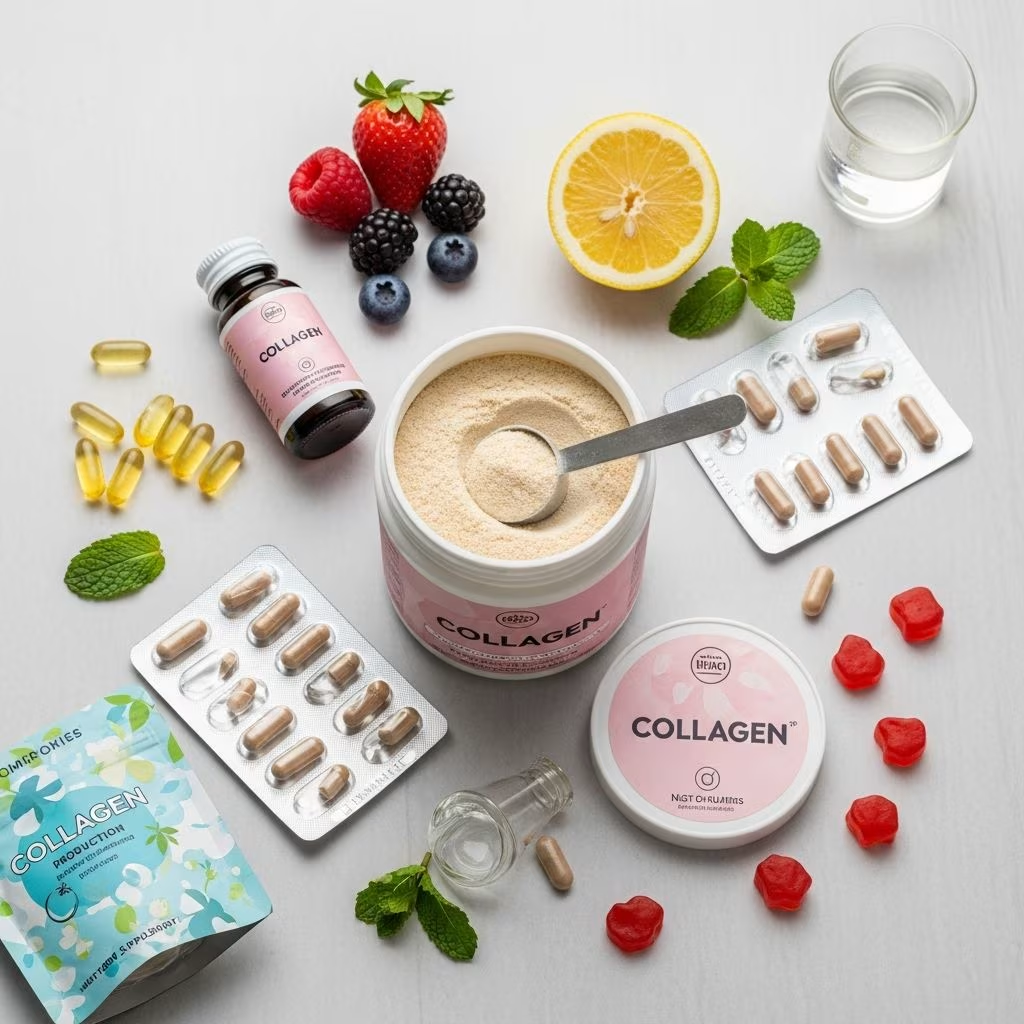
Collagen supplements have surged in popularity for their potential to support skin elasticity, joint health, bone strength, and muscle recovery. As the most abundant protein in the body, accounting for about 30% of total protein content, collagen provides essential structure to skin, bones, muscles, and connective tissues. Hydrolyzed collagen, or collagen peptides, is broken down into smaller, more bioavailable fragments (<6 kDa) through enzymatic hydrolysis, enhancing absorption and stimulating collagen-producing cells like fibroblasts and osteoblasts.
These supplements, often derived from bovine, marine, or chicken sources, are enriched with amino acids such as proline, glycine, and hydroxyproline. Research indicates they may improve skin moisture, elasticity, hydration, and reduce wrinkling, with both oral and topical forms showing comparable benefits in randomized controlled trials. For joints, type I collagen hydrolysate supplementation frequently reduces pain and improves function, particularly in high-risk groups like the elderly or those with osteoarthritis. Dietitians recommend hydrolyzed forms for optimal results, prioritizing third-party tested products free from contaminants.
What To Look for in a Collagen Supplement
When selecting a collagen supplement, prioritize hydrolyzed collagen peptides for superior digestibility and bioavailability compared to native forms. Key factors include:
- Source: Bovine (type I and III for skin and bones), marine (high bioavailability for skin), or multi-source blends.
- Dosage: 10-20 grams daily, as studies show benefits at this range for skin and joint outcomes.
- Type: Type I for skin, bones, and joints; type II for cartilage; types I, II, III blends for comprehensive support.
- Additives: Vitamin C enhances collagen synthesis; hyaluronic acid and biotin boost skin and hair benefits.
- Certifications: NSF, USP, or Informed Choice for purity, avoiding heavy metals and fillers.
- Form: Powder for versatility, capsules for convenience, or liquids for quick absorption.
Consult a healthcare provider, especially if pregnant, nursing, or on medications, as individual responses vary.
Meet Our Expert Dietitians
Our recommendations are vetted by registered dietitians like Amy Fischer, MS, RD, CDN, specializing in integrative nutrition, and Lauren Manaker, MS, RDN, LDN, CLEC, CPT, with expertise in women’s health and evidence-based supplementation. They emphasize products aligning with clinical research on bioavailability and efficacy.
Best Collagen Supplements of 2026
Best Overall: Vital Proteins Collagen Peptides
This grass-fed bovine collagen powder dissolves seamlessly in hot or cold liquids, offering 20g of types I and III per serving. Testers noted smoother skin after four weeks and stronger nails. Third-party tested, it’s unflavored and versatile for coffee or smoothies.
Best Value: Sports Research Collagen Peptides
At under $1 per serving, this hydrolyzed bovine collagen provides 11g per scoop with added hyaluronic acid for joint and skin support. Users report reduced knee pain and improved hydration. Hydrolyzed for 90% absorption.
Best for Skin: Ancient Nutrition Multi Collagen Protein
A blend of types I, II, III, V, X from four sources, with vitamin C and probiotics. Studies link multi-type formulas to enhanced dermal density and elasticity. Testers saw wrinkle reduction in 8 weeks.
Best Marine Collagen: Codeage Wild-Caught Marine Collagen
Sourced from wild fish, this type I collagen is ideal for pescatarians. High in amino acids for skin firmness; research shows marine collagen boosts fibroblast activity. Unflavored powder mixes easily.
Best for Joints: BioCell Collagen
Containing type II collagen, hyaluronic acid, and chondroitin, it targets cartilage health. Systematic reviews confirm joint pain relief and improved function. Capsules for easy dosing.
Best Tasting: Bulletproof Collagen Protein
Vanilla-flavored with MCT oil, this bovine collagen supports gut and skin health. Sweetened naturally, it masks the typical collagen taste.
Best Powder: Thorne Collagen Plus
With types I, II, III and nicotinamide riboside for anti-aging. Clinically studied for skin hydration.
Best Gummy: Vital Proteins Collagen Gummies
Travel-friendly with 2.5g collagen, biotin, and vitamin C per serving. Fun alternative to powders.
Best for Hair: Hum Nutrition Collagen Love
Capsules with keratin-boosting ingredients; users note thicker hair in 6 weeks.
Best Liquid: Hollywood 48-Hour Miracle Diet Collagen
Pre-mixed shots for convenience, focusing on rapid skin absorption.
| Product | Type | Serving Size | Key Benefits | Price per Serving |
|---|---|---|---|---|
| Vital Proteins | I, III Bovine | 20g | Skin, Nails | $1.50 |
| Sports Research | I Bovine | 11g | Joints, Value | $0.90 |
| Ancient Nutrition | Multi | 20g | Skin, Gut | $1.20 |
| Codeage Marine | I Marine | 10g | Skin Firmness | $1.10 |
| BioCell | II | 2g | Joints | $1.00 |
How We Tested and Selected These Collagen Supplements
We evaluated over 50 products based on dietitian input, lab testing for purity, dissolution speed, taste, and efficacy via user trials. Criteria included bioavailability (hydrolyzed peptides), sourcing (grass-fed, wild-caught), and third-party verification. Long-term use tracked skin, joint, and hair changes.
Do Collagen Supplements Work?
Yes, evidence supports benefits. For skin, RCTs show improved elasticity, hydration, and reduced wrinkles after 4-12 weeks. Joints see pain reduction and better function, especially with type I hydrolysate. Bones may gain density in postmenopausal women. Muscles benefit when paired with resistance training, though less than whey for mass. Results vary by age, dose, and consistency.
Benefits of Collagen Supplements
- Skin Health: Increases moisture, elasticity; reduces roughness.
- Joint Support: Lowers pain, improves mobility in osteoarthritis.
- Bone Density: Potential BMD increases in at-risk groups.
- Muscle Recovery: Enhances synthesis with exercise.
- Hair & Nails: Strengthens, promotes growth.
Types of Collagen
- Type I: Skin, bones, tendons (90% of body collagen).
- Type II: Cartilage, joints.
- Type III: Skin, muscles, blood vessels.
- Type V & X: Cell surfaces, bone formation.
How To Take Collagen Supplements
Mix powders in coffee, smoothies, or water; take 10-20g daily, ideally with vitamin C-rich foods. Consistency for 8-12 weeks yields best results. Stomach with meals to minimize digestive upset.
Collagen Supplement Side Effects
Generally safe with no major adverse events reported in studies. Rare issues include mild GI discomfort or allergic reactions (e.g., to marine sources). High doses may cause fullness.
Frequently Asked Questions (FAQs)
What is the best form of collagen to take?
Hydrolyzed collagen peptides for optimal absorption.
How long does it take for collagen supplements to work?
4-12 weeks for noticeable skin and joint improvements.
Can collagen supplements help with weight loss?
May support muscle maintenance during dieting, but not a direct fat-burner.
Are collagen supplements safe?
Yes, with a favorable safety profile in trials.
Who should not take collagen supplements?
Those with allergies to sources; consult doctors if kidney issues present.
References
- The Effects of Type I Collagen Hydrolysate Supplementation on Bones, Muscles, and Joints: A Systematic Review — Orthopedic Reviews. 2023. https://orthopedicreviews.openmedicalpublishing.org/article/129086-the-effects-of-type-i-collagen-hydrolysate-supplementation-on-bones-muscles-and-joints-a-systematic-review
- Collagen Supplements for Aging and Wrinkles: A Paradigm Shift in the Fields of Dermatology and Cosmetics — PMC (NCBI). 2022-02-08. https://pmc.ncbi.nlm.nih.gov/articles/PMC8824545/
- Collagen: What It Is, Types, Function & Benefits — Cleveland Clinic. 2023-11-09. https://my.clevelandclinic.org/health/articles/23089-collagen