
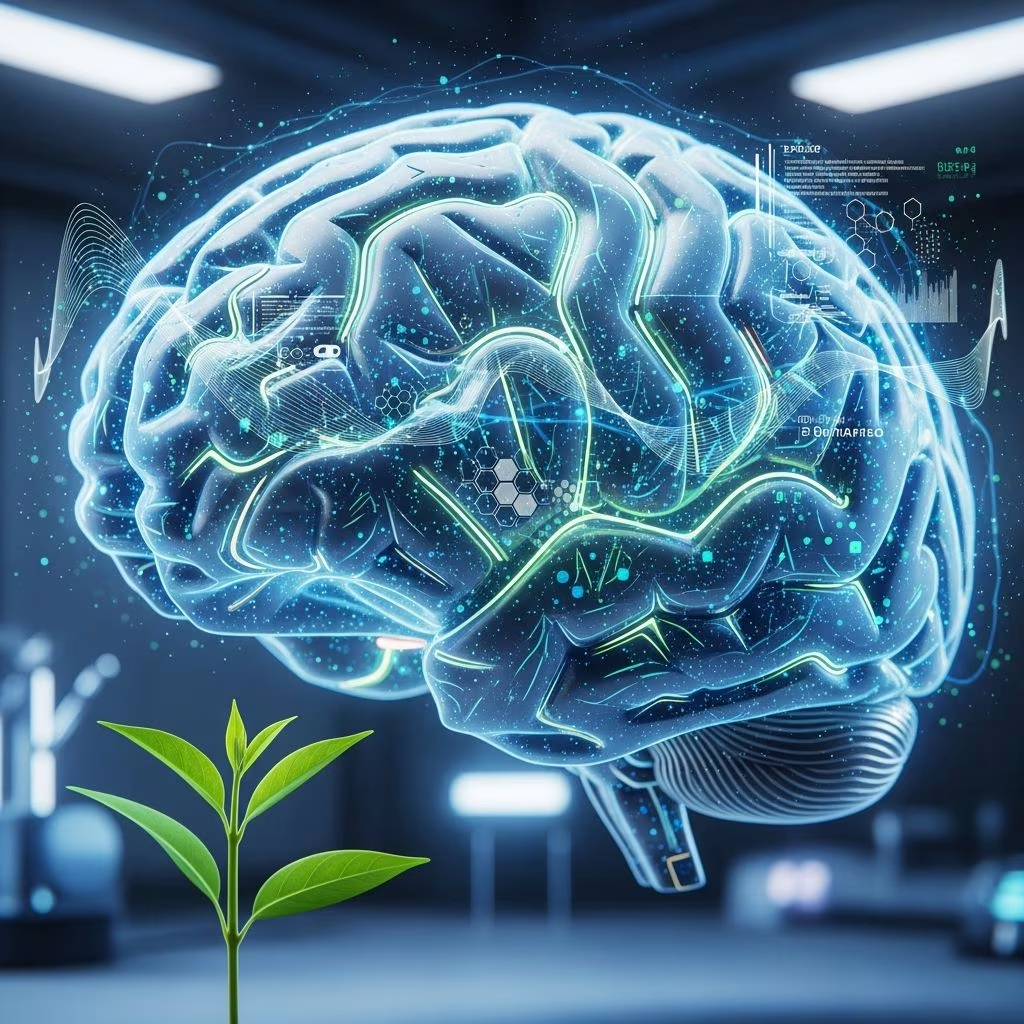
Biohacking involves using science, technology, and self-experimentation to enhance physical and mental performance, often aiming for better health and longevity. This DIY approach empowers individuals to optimize their biology through targeted interventions like diet tweaks, wearables, and diagnostics.
What Is Biohacking?
Biohacking, also known as DIY biology, refers to making incremental changes to diet, lifestyle, and body to improve well-being. It draws from biology, genetics, neuroscience, and physiology to ‘crack the code’ to peak health, much like hacking a computer system.
Popularized by tech enthusiasts and wellness advocates, biohacking shifts from reactive medicine to proactive optimization. Practitioners track metrics like sleep, heart rate variability, and blood markers to fine-tune habits. For instance, full-body scans detect issues early, allowing preventive action before symptoms arise.
The term encompasses everything from simple habits like intermittent fasting to advanced methods like gene editing, though ethical and safe practices focus on evidence-based tools.
Types of Biohacking
Biohacking spans nutritional, technological, and experimental categories, each offering unique ways to upgrade biology.
Nutrigenomics and Personalized Nutrition
Nutrigenomics studies how genes interact with nutrients, enabling tailored diets. DNA tests reveal optimal foods, reducing inflammation and boosting energy. Gut microbiome analysis further customizes supplements and meal timing.
- Gene-based diet plans minimize allergens and maximize nutrient absorption.
- Examples include ketogenic diets for metabolic flexibility or timed eating for autophagy.
Implantables and Grind
Grind biohacking involves intense daily regimens like extreme fasting or nootropics. Implantables, such as RFID chips under the skin, allow keyless entry or health monitoring but carry infection risks.
These ‘grinders’ push boundaries, self-experimenting with unproven tech.
DIY Biology and Grinder Biohacking
DIY bio involves home labs for genetic experiments, like CRISPR kits. Grinder biohacking merges extreme lifestyles with implants, often blurring safety lines. While innovative, lack of regulation poses dangers.
Biohacking for Longevity
Longevity biohacking targets aging processes using metabolic tweaks like ketosis, which upregulates sirtuins and antioxidative enzymes for cellular resilience.
- Sleep Optimization: Trackers, blue-light blockers, and magnesium ensure restorative rest, foundational for lifespan.
- Intermittent Fasting: Induces autophagy, reducing ROS and enhancing DNA repair.
- Cold Exposure: Builds resilience via hormesis, improving mitochondrial function.
Proactive diagnostics like coronary calcium scans measure plaque for cardiovascular risk reduction. Annual full-body MRI catches tumors early.
Biohacking Tools and Technology
Technology drives ethical biohacking with real-time data.
| Tool | Purpose | Benefits |
|---|---|---|
| Wearables (e.g., Oura Ring, Whoop) | Sleep, HRV, activity tracking | Personalized recovery insights |
| Continuous Glucose Monitors (CGM) | Blood sugar monitoring | Optimizes diet for stable energy |
| Full-Body Scans (MRI/CT) | Early disease detection | Preventive health baselines |
| DNA Tests (23andMe) | Genetic predispositions | Custom nutrition/supplements |
These tools provide baselines for tracking interventions’ impact.
Potential Dangers and Risks of Biohacking
While many practices are safe, unregulated experiments risk harm. Implants may cause infections; untested nootropics lead to side effects.
- Gene editing raises ethical issues and unintended mutations.
- Extreme fasting or cryotherapy without guidance can strain organs.
- Lack of oversight means biohackers may ignore safety protocols.
Consult professionals; prioritize evidence-based methods.
Biohacking Tips for Beginners
Start small with low-risk hacks:
- Track Sleep: Use apps for 7-9 hours; optimize environment.
- Personalize Diet: Test for food sensitivities; try time-restricted eating.
- Incorporate Movement: HIIT plus strength for metabolic health.
- Baseline Health: Bloodwork or scans for markers like CAC score.
- Stress Management: Meditation or breathwork for cortisol control.
Evidence shows these yield measurable gains in energy and biomarkers.
Frequently Asked Questions (FAQs)
What’s the difference between biohacking and traditional healthcare?
Traditional care reacts to illness; biohacking prevents via optimization and early detection.
Is biohacking safe?
Safe practices like nutrition tweaks and wearables are beneficial; extreme methods require caution and professional advice.
Can biohacking extend life?
Strategies like fasting and sleep hacks support healthspan by reducing disease risk, though immortality claims lack proof.
Do I need expensive tech to biohack?
No—start with free habits; tech enhances but isn’t essential.
Is biohacking legal?
Most U.S. practices are unregulated; DIY gene work faces ethical hurdles but no strict bans.
References
- Biohacking for Longevity: Using Technology to Optimize Health — Craft Body Scan. 2024. https://craftbodyscan.com/blog/biohacking-for-longevity/
- What Is Biohacking? Explore the New Trend for Optimizing Health — Ezra. 2024. https://ezra.com/blog/what-is-biohacking
- Biohacking: What is it, types and hacks to try for beginners — Medical News Today. 2024-05-12. https://www.medicalnewstoday.com/articles/biohacking
- Biohacking: Cracking Your Body’s Health Code — The Christ Hospital. 2024. https://www.thechristhospital.com/healthspirations/biohacking-cracking-health-code
- Bio-Hacking Better Health—Leveraging Metabolic Biochemistry — PMC (NCBI). 2023-10-01. https://pmc.ncbi.nlm.nih.gov/articles/PMC10525476/
- What Is Biohacking? — AdventHealth. 2024. https://www.adventhealth.com/blog/what-biohacking