
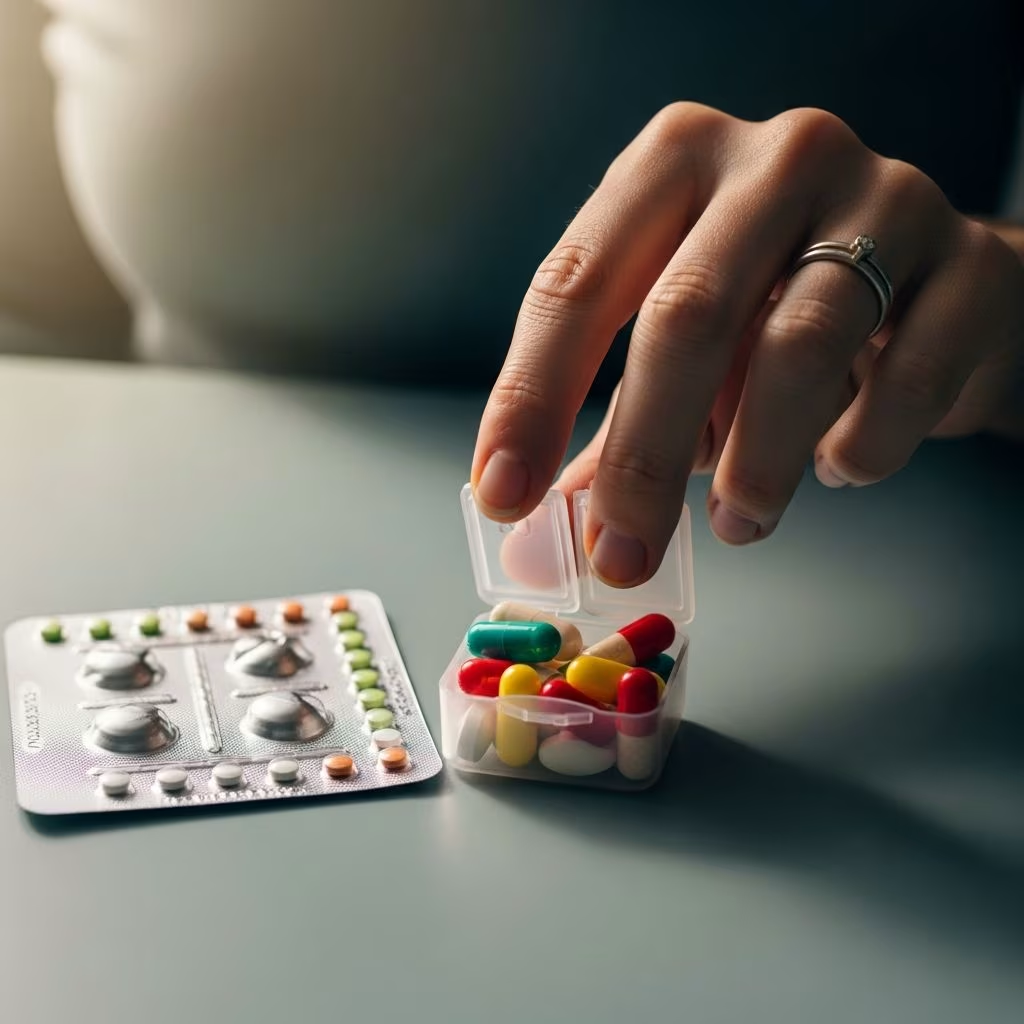
Hormonal birth control, particularly oral contraceptives, can interact with certain dietary supplements and herbal remedies, potentially reducing their effectiveness and increasing the risk of unintended pregnancy. Understanding these interactions is crucial for anyone using birth control to maintain reproductive health.
What Are Birth Control Interactions?
Birth control pills contain synthetic hormones like estrogen and progestin that prevent ovulation, thicken cervical mucus, and alter the uterine lining. These hormones are metabolized by liver enzymes, primarily cytochrome P450. Supplements that induce or inhibit these enzymes can alter hormone levels, leading to breakthrough bleeding, irregular cycles, or pregnancy.
Oral pills are most susceptible due to gastrointestinal absorption, while non-oral methods like patches or rings have fewer interactions. Nearly two-thirds of U.S. women aged 15-49 use birth control, and a similar percentage take supplements, making overlaps common.
Supplements and Herbs to Avoid
Several supplements directly interfere with birth control by accelerating hormone breakdown or affecting absorption. Here’s a detailed look at the most concerning ones:
- St. John’s Wort: This herbal remedy for depression induces liver enzymes, causing birth control pills to metabolize too quickly. Studies show it leads to lower hormone levels, irregular menstruation, and potential pregnancy risk. Avoid it entirely with any hormonal contraception.
- Activated Charcoal: Used for detoxification, it binds to hormones in the gut, preventing absorption. Even short-term use can reduce pill efficacy; opt for non-oral birth control if needed.
- Grapefruit and Grapefruit Juice: Inhibits liver enzymes, potentially increasing hormone levels and side effects like nausea, but inconsistent data makes caution advised. Limit intake.
- Maca Root: Influences estrogen and progesterone levels, which could counteract birth control hormones. Limited research exists, so avoidance is recommended until more data is available.
Supplements That Are Likely Safe
Not all supplements pose risks. Many can be used alongside birth control without issue, and some may even offer benefits:
- Ashwagandha: An adaptogen for stress relief, it doesn’t affect liver enzymes metabolizing birth control hormones. Likely safe at standard doses, but consult for other meds.
- Melatonin: For sleep, it has no impact on birth control efficacy. However, birth control may heighten melatonin’s side effects like drowsiness.
- Probiotics: Support gut health without known interactions. Found in yogurt or supplements, they’re generally safe.
- Magnesium: Birth control may deplete magnesium levels, so supplementation could help with cramps or mood. Diarrhea side effect might affect absorption—use non-oral options if severe.
Potentially Beneficial Supplements
Some nutrients address common birth control side effects:
- Zinc: Found in seeds and eggs, it may counteract deficiencies from hormonal changes. No direct interference.
- Vitamin D: Estrogen in birth control raises vitamin D levels; supplements enhance this effect safely.
Avoid excess vitamin C with estrogen pills, as it may boost estrogen and side effects.
Why Do Interactions Happen?
Supplements affect two key processes: hormone metabolism via liver enzymes and gut absorption. Inducers like St. John’s wort speed breakdown; binders like charcoal block uptake. Progestin-only pills are less affected but still vulnerable.
Who Is at Risk?
Women on oral contraceptives face the highest risk. Those with conditions like IBS (affecting absorption) or on multiple meds need extra caution. Always disclose supplements to providers.
Comparison of Supplement Interactions
| Supplement | Interaction Risk | Effect on Birth Control | Recommendation |
|---|---|---|---|
| St. John’s Wort | High | Reduces hormone levels | Avoid |
| Activated Charcoal | High | Prevents absorption | Avoid |
| Grapefruit | Moderate | May increase side effects | Limit |
| Maca Root | Moderate | Hormone disruption possible | Avoid |
| Ashwagandha | Low | No enzyme effect | Safe |
| Magnesium | Low | May benefit; watch diarrhea | Safe, monitor |
| Probiotics | Low | No known issues | Safe |
General Advice for Safe Use
Consult healthcare providers before starting supplements—they screen for interactions based on your health profile. A balanced diet often suffices; test for deficiencies first. Non-oral birth control minimizes risks.
Antibiotics like rifampin also interact, but most don’t. Herbal remedies require scrutiny due to lax regulation.
Frequently Asked Questions (FAQs)
Can I take vitamins while on birth control?
Yes, vitamins don’t typically reduce efficacy unless deficient. Vitamin C with estrogen may increase side effects; vitamin D is enhanced.
Does ashwagandha affect the pill?
No, it’s likely safe as it doesn’t impact metabolizing enzymes.
Is St. John’s wort safe with non-oral birth control?
Possible interaction; avoid to be safe.
Can magnesium help with birth control side effects?
Yes, it may alleviate cramps and depletion from pills.
Do probiotics interfere with birth control?
No known interactions; they’re safe for gut health.
What if I accidentally took a risky supplement?
Use backup contraception for 7-14 days and consult a doctor.
This comprehensive guide empowers informed choices. Prioritize professional advice for personalized safety.
References
- How Supplements May Interact With Birth Control Pills — GoodRx. 2023-10-15. https://www.goodrx.com/conditions/birth-control/supplements-that-interact-with-birth-control
- Medicines That Affect Birth Control Pills: Antibiotics, Herbs, and Supplements — Natural Cycles. 2024-05-20. https://www.naturalcycles.com/cyclematters/can-medicine-affect-my-birth-control
- What to Avoid While on Birth Control Pills: 11 Things — Healthline. 2023-08-12. https://www.healthline.com/health/birth-control/things-to-avoid-on-birth-control