
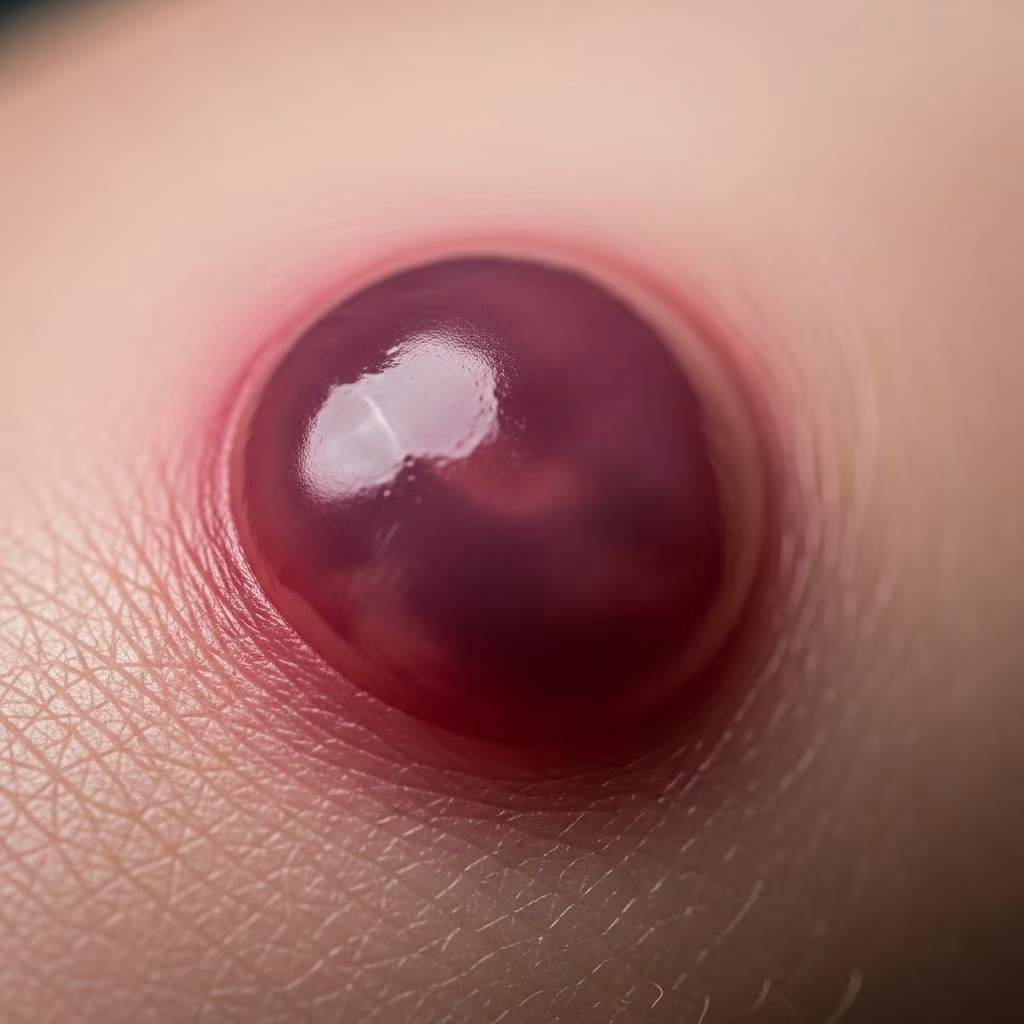
A blood blister is a raised pocket of skin filled with blood, forming when small blood vessels beneath the skin rupture due to force like pinching or friction, without breaking the outer skin layer. These blisters appear red, purple, or black and typically heal on their own in 1-2 weeks with proper care, though infection risks require vigilance.
What Is a Blood Blister?
Blood blisters develop from trauma that damages capillaries under the skin’s top layer (epidermis), causing blood to pool and create a fluid-filled sac. Unlike clear fluid blisters from friction or burns, which contain lymph or serum, blood blisters get their name and color from hemoglobin-rich blood.
They often form in high-pressure areas like hands, feet, mouth, or near joints. Initial appearance is bright red, darkening to purple or black as blood settles. Pain levels vary from mild tenderness to sharp discomfort, depending on size and location.
Blood Blister vs. Friction Blister: What’s the Difference?
The key difference lies in the blister’s contents and cause. Friction blisters arise from repeated rubbing, filling with clear lymph fluid that cushions damaged tissue during healing. Blood blisters, however, result from direct force rupturing vessels, filling with blood for a darker hue.
| Feature | Blood Blister | Friction Blister |
|---|---|---|
| Fluid | Blood (red/purple/black) | Clear lymph/serum |
| Cause | Pinch, crush, pressure | Rubbing, irritation |
| Color | Dark, bloody | Translucent |
| Pain Level | Often higher due to vessel damage | Mild to moderate |
Both protect underlying tissue but blood blisters demand extra caution to avoid bleeding or infection if they burst.
Symptoms of a Blood Blister
- Raised, dome-shaped bubble on skin
- Dark red, purple, or black discoloration
- Tenderness, throbbing pain, or sensitivity to touch
- Swelling around the site
- Possible itching as it heals
Symptoms worsen if infected: increased redness, warmth, pus, fever, or streaking. Most are small (under 1 cm) but larger ones from heavy trauma can exceed 2 cm.
What Causes Blood Blisters?
Friction and Pressure
Prolonged rubbing or squeezing, like ill-fitting shoes or tool grips, shears skin layers and bursts vessels. Common in athletes, hikers, or manual laborers.
Injury or Trauma
Pinching skin without breaking it—e.g., slamming a finger in a door—traps blood under the surface. Dropping weights or hammer recoils also trigger them.
Temperature Extremes
Burns from heat or frostbite from cold damage vessels, leading to blisters in severe cases.
Medical Conditions
Blood disorders increase risk:
- Hemophilia: Poor clotting prolongs bleeding under skin.
- Thrombocytopenia: Low platelets heighten bruising and blister formation.
Those with clotting issues should monitor closely.
Blood Blister Treatment
Leave intact for natural healing; new skin forms underneath as fluid absorbs over 1-2 weeks.
Home Care Tips
- Clean gently: Wash with mild soap and water.
- Protect: Cover with sterile bandage or hydrocolloid dressing to shield from friction.
- Ice it: Apply wrapped ice 10-15 minutes to reduce swelling/pain.
- Elevate: Keep area raised to minimize throbbing.
- Pain relief: OTC ibuprofen or acetaminophen.
Bandage options:
- Adhesive bandages for small blisters.
- Hydrocolloid for cushioning.
- Antiseptic creams (bacitracin) if burst.
Avoid tight wraps.
Don’t Pop It
Popping risks infection, scarring, and delayed healing by exposing tissue to bacteria.
When to See a Doctor
Seek care if:
- Blister >2 cm or very painful.
- Infection signs: pus, fever, red streaks.
- On face, genitals, or joints.
- Doesn’t heal in 1 week.
- Recurrent or with clotting disorders.
Doctors may drain large ones sterilely or test for underlying issues.
Outlook and Complications
Prognosis is excellent; 90% heal without intervention. Complications rare but include:
- Infection: Cellulitis if bacteria enter.
- Scarring: More likely on thin skin if mishandled.
Risks higher in diabetics or immunocompromised.
Prevention Tips
- Wear properly fitted gloves/shoes.
- Use padded grips on tools.
- Protect skin during heavy lifting.
- Moisturize to reduce friction.
- Treat underlying conditions.
Early awareness prevents most cases.
Frequently Asked Questions (FAQs)
Can I pop a blood blister?
No, popping increases infection and scarring risk. Let it heal naturally.
How long do blood blisters last?
Typically 1-2 weeks; larger ones up to 3 weeks.
Are blood blisters dangerous?
Usually not, but watch for infection or if recurrent, signaling blood disorders.
What if my blood blister bursts?
Clean, apply antibiotic ointment, cover loosely, and monitor for infection.
Do blood blisters scar?
Rarely if left intact; improper care raises risk on hands/face.
References
- What is a Blood Blister? Symptoms, Causes, and Remedies — Rupa Health. 2024. https://www.rupahealth.com/post/what-is-a-blood-blister-symptoms-causes-and-remedies
- Blood Blister: Symptoms, Causes, Diagnosis — Healthline (Medically reviewed by Deborah Weatherspoon, Ph.D., MSN). 2023-04-25. https://www.healthline.com/health/blood-blister
- Blood blisters: Causes, diagnosis, and treatment — Medical News Today. 2023. https://www.medicalnewstoday.com/articles/319799