
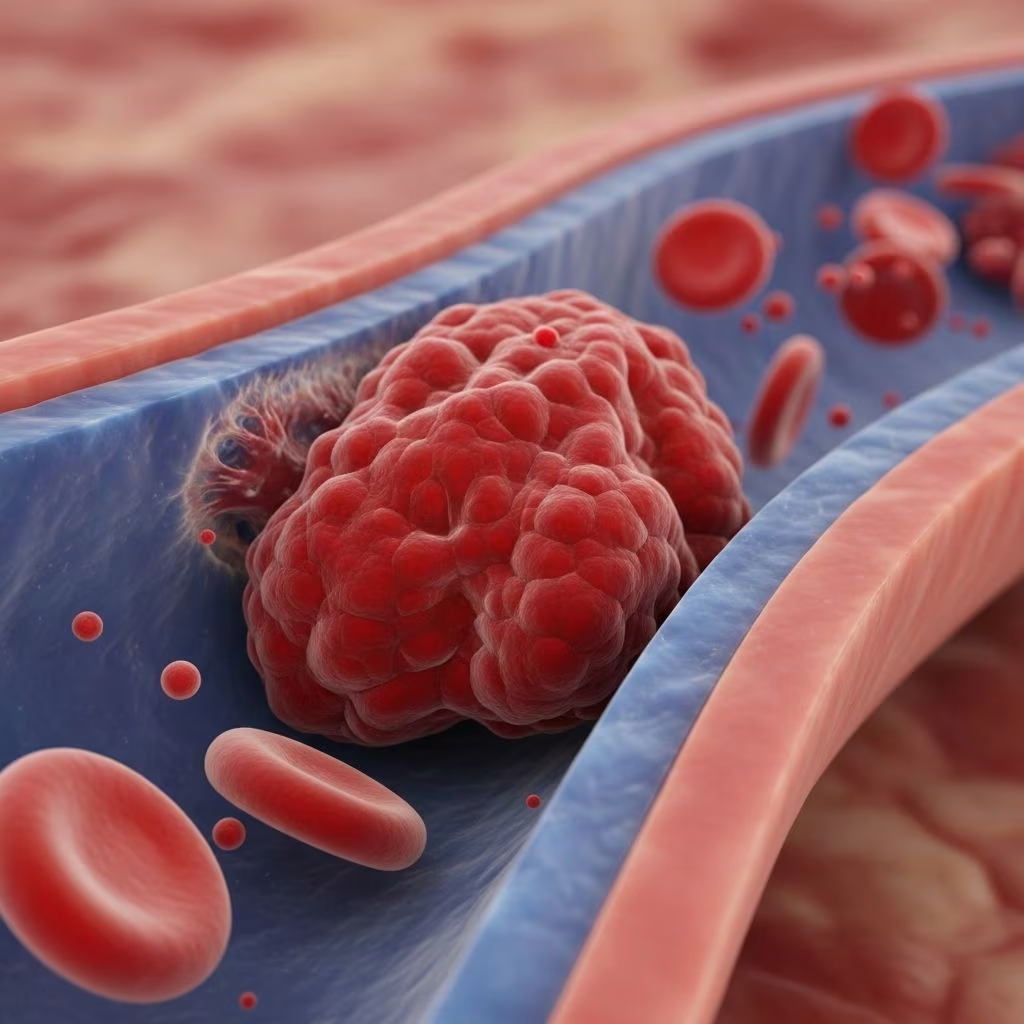
Blood clots, also known as thrombosis, are gel-like clumps that travel through the bloodstream and can cause serious health issues like deep vein thrombosis (DVT), pulmonary embolism (PE), heart attack, or stroke. Understanding their formation, symptoms, and risks is crucial for timely intervention.
What Is a Blood Clot?
A blood clot forms when blood hardens from liquid to a gel-like state, typically to stop bleeding from an injury. Platelets and proteins in plasma create this plug, which the body usually dissolves after healing. However, unwanted clots can develop inside vessels without injury, blocking blood flow and leading to dangerous conditions.
Clots differ by location: venous clots in veins cause swelling and pain, while arterial clots in arteries, often linked to plaque rupture, risk heart attacks or strokes.
Blood Clot Risk Factors
Several factors increase clotting risk, varying by vein or artery. Common risks include:
- Immobility: Long flights, bed rest, or paralysis slow blood flow.
- Surgery or injury: Trauma damages vessels, promoting clots.
- Pregnancy and hormones: Estrogen in birth control or HRT raises venous clot risk, though less than pregnancy itself.
- Medical conditions: Cancer, heart disease, obesity, smoking, and age over 60.
- Genetics: Inherited disorders like Factor V Leiden.
- Other: COVID-19, dehydration, or certain medications.
Arterial risks often tie to atherosclerosis, where plaque narrows vessels, leading to rupture and clotting.
Blood Clot Symptoms
Symptoms depend on location. Seek immediate care for these signs:
- Leg (DVT): Swelling, pain, warmth, redness, often in calf or thigh.
- Lung (PE): Shortness of breath, chest pain, rapid heartbeat, coughing blood, dizziness.
- Heart attack: Chest pressure, arm/jaw pain, nausea, sweating.
- Stroke: Face droop, arm weakness, speech issues, severe headache.
- Abdomen: Intense pain, vomiting.
Silent clots occur in up to 50% of DVT cases, emphasizing awareness of risks.
Deep Vein Thrombosis (DVT)
DVT affects deep leg veins, causing one-sided swelling and pain like a cramp. Risks: surgery, travel, obesity. Complications include PE if the clot travels to lungs. Diagnosis uses ultrasound; treatment prevents growth.
Pulmonary Embolism (PE)
PE happens when a DVT clot lodges in lungs, blocking blood flow. Symptoms: sudden breathlessness, sharp chest pain worsening on inhale, bloody cough. Fatal in 10-30% untreated; call 911 immediately.
How Are Blood Clots Diagnosed?
Doctors use:
- D-dimer blood test: Detects clot breakdown products.
- Ultrasound: Views blood flow in veins.
- CT pulmonary angiography: For PE.
- Venography or MRI: Detailed imaging.
History and exam guide testing urgency.
Blood Clot Treatments
Treatment targets clot type and cause, often starting with anticoagulants (blood thinners) like heparin or warfarin to halt growth. Options include:
- DOACs: Rivaroxaban, apixaban—oral, fewer monitors.
- Thrombolytics: Clot-dissolvers for severe cases.
- Filters: IVC filter blocks clots from legs.
- Compression stockings: Reduce leg swelling.
- Surgery: Thrombectomy for large clots.
Duration: 3-6 months or lifelong for recurrent risks.
Blood Clot Prevention
Prevent with:
- Movement: Walk during long trips, ankle flexes.
- Hydration: Drink water.
- Compression socks: For travel/surgery.
- Medications: Prophylactic thinners post-surgery.
- Lifestyle: Quit smoking, manage weight, exercise.
Pregnant individuals or those with history may need special plans.
When to See a Doctor
Urgent symptoms: leg swelling/pain, breathing issues, chest pain. Even mild signs warrant check, as clots mimic other issues.
Frequently Asked Questions
Can blood clots go away on their own?
Yes, many small clots resolve naturally, but treatment ensures safety and prevents complications.
Are blood thinners safe long-term?
Yes, with monitoring; they prevent clots without dissolving existing ones.
Does flying always cause clots?
No, but long flights (>4 hours) raise risk; move and hydrate to prevent.
Who is at highest risk for DVT?
Post-surgery patients, pregnant people, those over 60, or with cancer/obesity.
Recent Advances in Blood Clot Management
New DOACs offer easier use than warfarin. AI imaging improves diagnosis speed. Research focuses on personalized risk scores.
| Type | Location | Main Risks | Symptoms |
|---|---|---|---|
| Venous (DVT) | Veins (legs) | Immobility, surgery | Swelling, pain |
| Arterial | Arteries (heart/brain) | Atherosclerosis | Heart attack, stroke |
| PE | Lungs | DVT migration | Breathlessness, chest pain |
Blood clots remain a leading cause of preventable death, but awareness saves lives. Consult healthcare providers for personal risks.
References
- Blood Clots — American Society of Hematology. 2023. https://www.hematology.org/education/patients/blood-clots
- Deep Vein Thrombosis — Centers for Disease Control and Prevention. 2024-09-01. https://www.cdc.gov/ncbddd/dvt/facts.html
- Pulmonary Embolism — National Heart, Lung, and Blood Institute. 2024. https://www.nhlbi.nih.gov/health/pulmonary-embolism
- Anticoagulant Medicines — U.S. Food and Drug Administration. 2025-01-10. https://www.fda.gov/drugs
- Venous Thromboembolism — World Health Organization. 2023-11-15. https://www.who.int/news-room/fact-sheets/detail/venous-thromboembolism-(vte)