
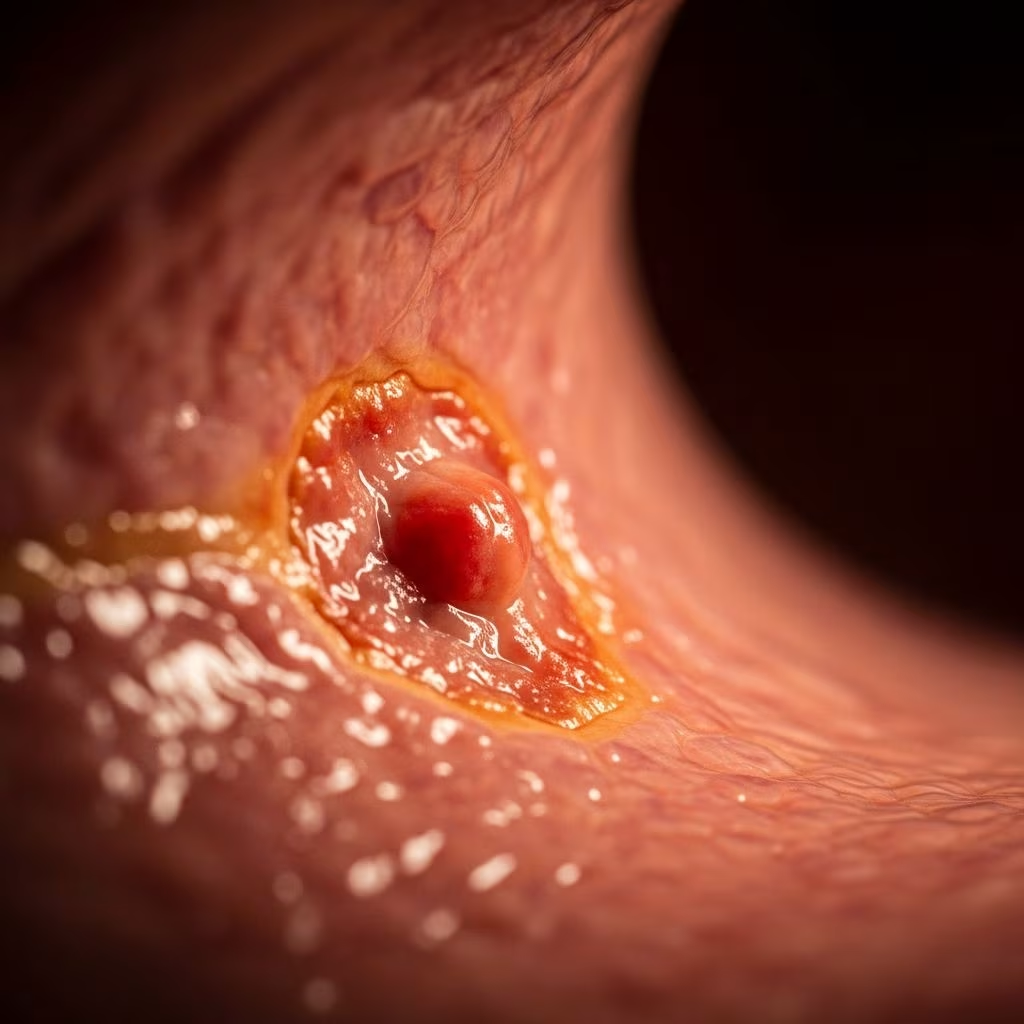
Bowel cancer, also known as colorectal cancer, affects the large bowel (colon) or rectum. It is one of the most common cancers, but early detection through recognising symptoms can lead to successful treatment. Many cases develop from polyps, which can be removed during screening to prevent cancer. Symptoms often mimic other conditions like IBS, so persistent signs warrant medical evaluation.
What is Bowel Cancer?
Bowel cancer starts in the inner lining of the colon or rectum and can grow into a tumour. Risk factors include age over 50, family history, smoking, heavy alcohol use, poor diet low in fibre, obesity, and inflammatory bowel disease. Globally, it is the third most common cancer, but survival rates exceed 90% if caught early. Screening programmes like colonoscopy detect precancerous polyps.
Common Early Warning Signs
Early symptoms are subtle and may not appear until the cancer grows. Key signs include changes in bowel habits, rectal bleeding, abdominal discomfort, unexplained weight loss, and fatigue. Not everyone experiences all symptoms, and they vary by tumour location.
- Changes in bowel habits: Persistent diarrhoea, constipation, or alternating patterns lasting over three weeks. Stools may be narrower (pencil-thin) due to partial obstruction.
- Blood in stool or rectal bleeding: Bright red or dark blood mixed in stool, on toilet paper, or in the bowl. This is a strong indicator and should never be ignored.
- Abdominal pain or cramping: Ongoing cramps, bloating, gas, or a lump in the tummy not relieved by bowel movements.
- Unexplained weight loss: Losing 5-10% of body weight without diet or exercise changes, often due to poor nutrient absorption.
- Fatigue or weakness: Feeling unusually tired, linked to anaemia from chronic bleeding.
Changes in Bowel Habits
The most frequent early sign is altered bowel patterns. You might experience diarrhoea (loose, frequent stools), constipation (hard, infrequent stools), or a sensation of incomplete emptying. Narrow stools suggest a tumour narrowing the colon. These changes persist despite diet adjustments and last weeks. In younger adults, diarrhoea and abdominal pain precede diagnosis by months.
Table of Bowel Habit Changes:
| Symptom | Description | Possible Cause |
|---|---|---|
| Diarrhoea | Loose poo more than 3x/week | Tumour irritation |
| Constipation | Hard stools <3x/week | Partial blockage |
| Narrow stools | Pencil-thin consistency | Colon narrowing |
| Incomplete emptying | Urgency after pooing | Rectal involvement |
If symptoms come and go or worsen, consult a GP promptly.
Blood in Your Poo
Rectal bleeding is alarming: bright red blood indicates lower bowel issues; dark, tarry stools suggest upper bleeding. Up to 50% of cases present with this. It may be mistaken for haemorrhoids, but painless bleeding or with other symptoms needs investigation. Iron deficiency anaemia from blood loss causes fatigue and pallor.
Abdominal Pain and Lumps
Persistent abdominal discomfort like cramps, bloating, or pain occurs when a tumour presses on the bowel or organs. A palpable lump in the tummy or rectum is rarer early on but signals advanced growth. Severe pain with vomiting suggests bowel obstruction, a medical emergency.
Unexplained Weight Loss and Fatigue
Losing weight unintentionally signals the body struggles to absorb nutrients or appetite wanes due to cancer. Anaemia-related fatigue from bleeding leads to breathlessness and paleness. In early-onset cases (under 50), these combine with pain and bleeding.
Less Common Symptoms
- A feeling of needing to strain despite recent pooing.
- Loss of appetite or early satiety.
- Nausea/vomiting in obstruction.
Symptoms in Advanced Stages
As cancer spreads, symptoms intensify. Metastatic signs depend on site: liver involvement causes jaundice, swelling; lungs lead to cough/shortness of breath; bones cause pain/fractures. Systemic effects include severe fatigue and cachexia (wasting).
Risk Factors and Who Should Worry
Over 90% of cases are in those over 50, but rates rise in young adults. High-risk groups: family history (e.g., Lynch syndrome), IBD, polyps history, diabetes. Lifestyle factors: red/processed meat, low fibre, inactivity amplify risk.
When to See Your Doctor
See a GP if any symptom lasts over 3 weeks, especially over 50 or with risk factors. Urgent if: heavy bleeding, severe pain, obstruction signs, or anaemia. Do not self-diagnose—benign causes like diverticulitis or piles are common.
How is Bowel Cancer Diagnosed?
Diagnosis starts with history/exam, then faecal occult blood test (FOBt) or FIT test detects hidden blood. Colonoscopy is gold standard: visualises bowel, biopsies tumours, removes polyps. CT/MRI stage spread; blood tests check anaemia/markers like CEA.
Bowel Cancer Screening
National programmes (e.g., NHS) offer FOBt/FIT every 2 years from 60-74; colonoscopy for positives. High-risk start earlier. Screening prevents 70% of deaths by polyp removal. Discuss with GP if eligible or symptomatic younger.
Treatment Overview
Early-stage: surgery removes tumour/polyps, cure rates 90%+. Advanced: surgery + chemo/radiotherapy/targeted therapy/immunotherapy. Prognosis excellent if localised.
Living with Symptoms
Track symptoms in a diary: frequency, severity, triggers. Maintain fibre-rich diet, hydration, exercise to ease bowels while awaiting tests. Avoid NSAIDs if bleeding.
Frequently Asked Questions (FAQs)
Can bowel cancer symptoms come and go?
Yes, early symptoms may fluctuate, mimicking IBS, but persistence requires checking.
Is blood in stool always cancer?
No, often haemorrhoids or fissures, but evaluation is essential.
How effective is early detection?
5-year survival nears 100% for stage 1 vs. 10-15% for stage 4.
Should I get screened if under 50?
If symptomatic or high-risk, yes—discuss colonoscopy.
Can diet prevent bowel cancer?
High-fibre, low red meat diets reduce risk by 20-30%.
References
- 4 early warning signs of colon cancer you shouldn’t ignore — Baylor Scott & White Health. 2023-approx. https://www.bswhealth.com/blog/4-early-warning-signs-of-colon-cancer-you-shouldnt-ignore
- Signs and symptoms of bowel cancer — Bowel Cancer UK. 2024-approx. https://www.bowelcanceruk.org.uk/about-bowel-cancer/symptoms/
- Colon cancer – Symptoms and causes — Mayo Clinic. 2025-01-10. https://www.mayoclinic.org/diseases-conditions/colon-cancer/symptoms-causes/syc-20353669
- Early Signs of Colon Cancer – 5 Colorectal Cancer Warning Signs — Michigan Medicine. 2023-approx. https://www.michiganmedicine.org/health-lab/5-warning-signs-colorectal-cancer
- Possible Signs of Colorectal Cancer in Younger Adults — National Cancer Institute (NCI). 2023-05-22. https://www.cancer.gov/news-events/cancer-currents-blog/2023/colorectal-cancer-young-people-warning-signs
- Colorectal Cancer Symptoms and Signs — Cancer Treatment Centers of America. 2024-approx. https://www.cancercenter.com/cancer-types/colorectal-cancer/symptoms
- Symptoms of bowel cancer — Cancer Research UK. 2024-approx. https://www.cancerresearchuk.org/about-cancer/bowel-cancer/symptoms