
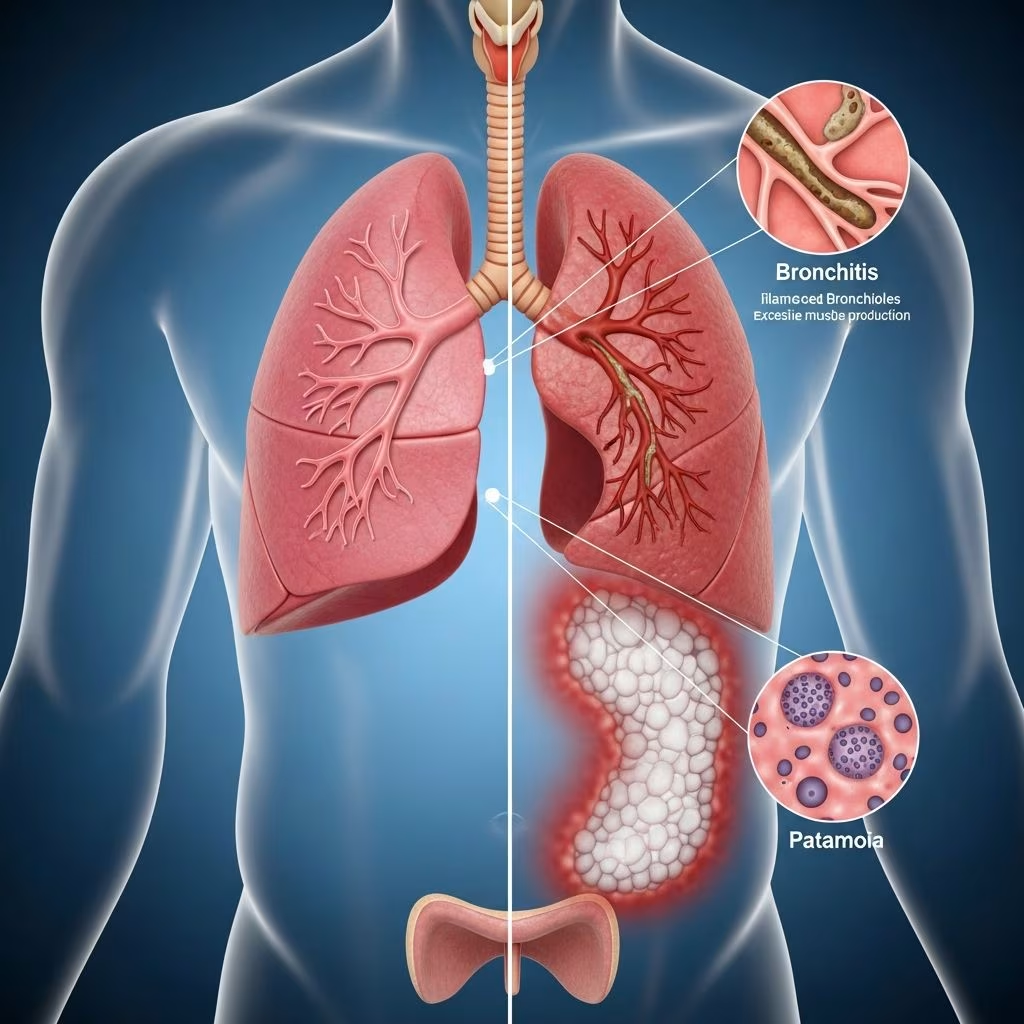
Bronchitis and pneumonia are both respiratory infections that cause coughing, chest discomfort, and fatigue, but they affect different parts of the lungs and vary in severity. Bronchitis inflames the bronchial tubes, while pneumonia infects the air sacs (alveoli), often leading to more serious complications.
What Is Bronchitis?
Bronchitis is an inflammation of the bronchial tubes, the airways that carry air to your lungs. It typically follows a viral upper respiratory infection like a cold or flu, causing the lining to swell and produce excess mucus.
Acute bronchitis, the most common form, usually lasts 1-3 weeks and resolves on its own. Chronic bronchitis, a type of chronic obstructive pulmonary disease (COPD), involves persistent cough with mucus for at least 3 months over two consecutive years, often due to smoking or long-term irritant exposure.
What Is Pneumonia?
Pneumonia is an infection that inflames the air sacs in one or both lungs, filling them with fluid or pus, which impairs oxygen exchange. It can be caused by bacteria, viruses, fungi, or aspiration, and ranges from mild “walking pneumonia” to severe cases requiring hospitalization.
Pneumonia is more dangerous, especially for older adults, young children, and those with weakened immune systems, as it can lead to complications like sepsis or respiratory failure.
Symptoms of Bronchitis vs. Pneumonia
Both conditions share symptoms like cough and fatigue, but pneumonia symptoms are typically more severe and systemic.
| Symptom | Bronchitis | Pneumonia |
|---|---|---|
| Cough | Persistent, may produce clear, yellow, or green mucus; wheezing | Productive with yellow, green, or bloody mucus; sharp pain on cough |
| Fever | Low-grade (under 101°F) | High (above 101°F), chills, shaking |
| Breathing | Wheezing, mild shortness of breath | Rapid/shallow breathing, severe shortness of breath |
| Chest Pain | Mild tightness or congestion | Sharp pain, worse with breathing or coughing |
| Other | Runny nose, sore throat, body aches | Extreme fatigue, nausea, vomiting, confusion (esp. elderly), loss of appetite |
Common Bronchitis Symptoms
- Severe cough, often with mucus
- Wheezing and chest tightness
- Low-grade fever, chills, body aches
- Runny nose, sore throat
- Fatigue
Common Pneumonia Symptoms
- Cough with colored or bloody mucus
- High fever, chills
- Shortness of breath, rapid breathing
- Sharp chest pain
- Fatigue, nausea, vomiting, confusion
Causes of Bronchitis vs. Pneumonia
Both often start as upper respiratory infections that descend to the lungs, but their targets differ.
- Bronchitis: Mostly viral (e.g., rhinovirus, influenza, RSV); bacterial in 1-10% of cases; irritants like smoke for chronic form.
- Pneumonia: Bacteria (e.g., Streptococcus pneumoniae, 30-50%); viruses (flu, RSV); fungi (e.g., Pneumocystis in immunocompromised); aspiration of food/oral bacteria.
Acute bronchitis is rarely bacterial, unlike pneumonia, which frequently requires antibiotics for bacterial forms.
Risk Factors
Certain groups are more susceptible to severe illness.
- Shared: Age (elderly, infants), smoking, weakened immunity, chronic lung diseases (COPD, asthma).
- Bronchitis: Frequent colds, exposure to irritants.
- Pneumonia: Recent flu, hospitalization, heart disease.
Diagnosis: Bronchitis vs. Pneumonia
Doctors differentiate based on history, exam, and tests. Bronchitis is often diagnosed clinically; pneumonia requires confirmation.
- Physical exam: Listen for lung sounds (crackles in pneumonia vs. wheezing in bronchitis).
- Chest X-ray: Normal in bronchitis; infiltrates in pneumonia.
- Blood tests: Elevated white cells in bacterial pneumonia.
- Pulse oximetry: Low oxygen in pneumonia.
- Sputum culture: For resistant bacteria.
No X-ray needed for uncomplicated acute bronchitis, but it’s key if pneumonia is suspected.
Treatment for Bronchitis
Acute bronchitis is viral and self-limiting; focus on symptom relief.
- Rest, hydration, humidifier.
- Over-the-counter: Pain relievers (ibuprofen), cough suppressants, expectorants (guaifenesin).
- Avoid antibiotics unless bacterial (rare).
- For chronic: Quit smoking, inhalers, pulmonary rehab.
Treatment for Pneumonia
Treatment depends on cause and severity.
- Bacterial: Antibiotics (e.g., azithromycin, doxycycline) for 5-7 days.
- Viral: Antivirals if flu-related; supportive care.
- Hospitalization for severe cases: IV antibiotics, oxygen, fluids.
- Rest, fluids, fever reducers.
Improvement expected in 1-2 days with antibiotics; full recovery 1-2 weeks.
Complications
Bronchitis rarely leads to serious issues but can progress to pneumonia or chronic forms. Pneumonia risks include lung abscess, pleural effusion, sepsis, respiratory failure—especially in high-risk groups.
Prevention Tips
- Pneumococcal and flu vaccines.
- Hand hygiene, avoid sick contacts.
- Quit smoking, manage chronic conditions.
- COVID/RSV vaccines for at-risk.
When to See a Doctor
Seek care if: cough lasts >3 weeks, high fever >3 days, shortness of breath, chest pain, bloody mucus, confusion, or worsening symptoms.
Frequently Asked Questions (FAQs)
Q: How long does bronchitis last?
A: Acute bronchitis typically lasts 1-3 weeks, though cough may linger up to 8 weeks.
Q: Can bronchitis turn into pneumonia?
A: Yes, especially if untreated or in high-risk individuals; monitor symptoms closely.
Q: Do I need antibiotics for bronchitis?
A: Rarely, only if bacterial; most cases are viral.
Q: What’s walking pneumonia?
A: Mild pneumonia, often viral/bacterial, allowing daily activities; treated with antibiotics.
Q: How is pneumonia diagnosed?
A: Chest X-ray is primary; plus exam, blood tests, oximetry.
References
- Bronchitis vs. pneumonia: What’s the difference? — Geisinger. 2023-11-06. https://www.geisinger.org/health-and-wellness/wellness-articles/2023/11/06/16/03/bronchitis-vs-pneumonia
- What’s the Difference Between Bronchitis and Pneumonia? — Five Star Pulmonary. N/A. https://www.fivestarpulm.com/post/whats-the-difference-between-bronchitis-and-pneumonia
- Bronchitis vs. Pneumonia: How To Tell the Difference — Cleveland Clinic. N/A. https://health.clevelandclinic.org/bronchitis-vs-pneumonia
- How to tell the difference between bronchitis and pneumonia — UCHealth. N/A. https://www.uchealth.org/today/bronchitis-or-pneumonia-how-to-tell-the-difference/
- Bronchitis vs. Pneumonia: How to Tell the Difference — Michael Newton MD. N/A. https://www.michaelnewtonmd.com/blog/bronchitis-vs-pneumonia-how-to-tell-the-difference
- Bronchitis or Pneumonia? How to Tell the Difference — Covenant Health. N/A. https://www.covenanthealth.com/blog/bronchitis-or-pneumonia-how-to-tell-the-difference/