
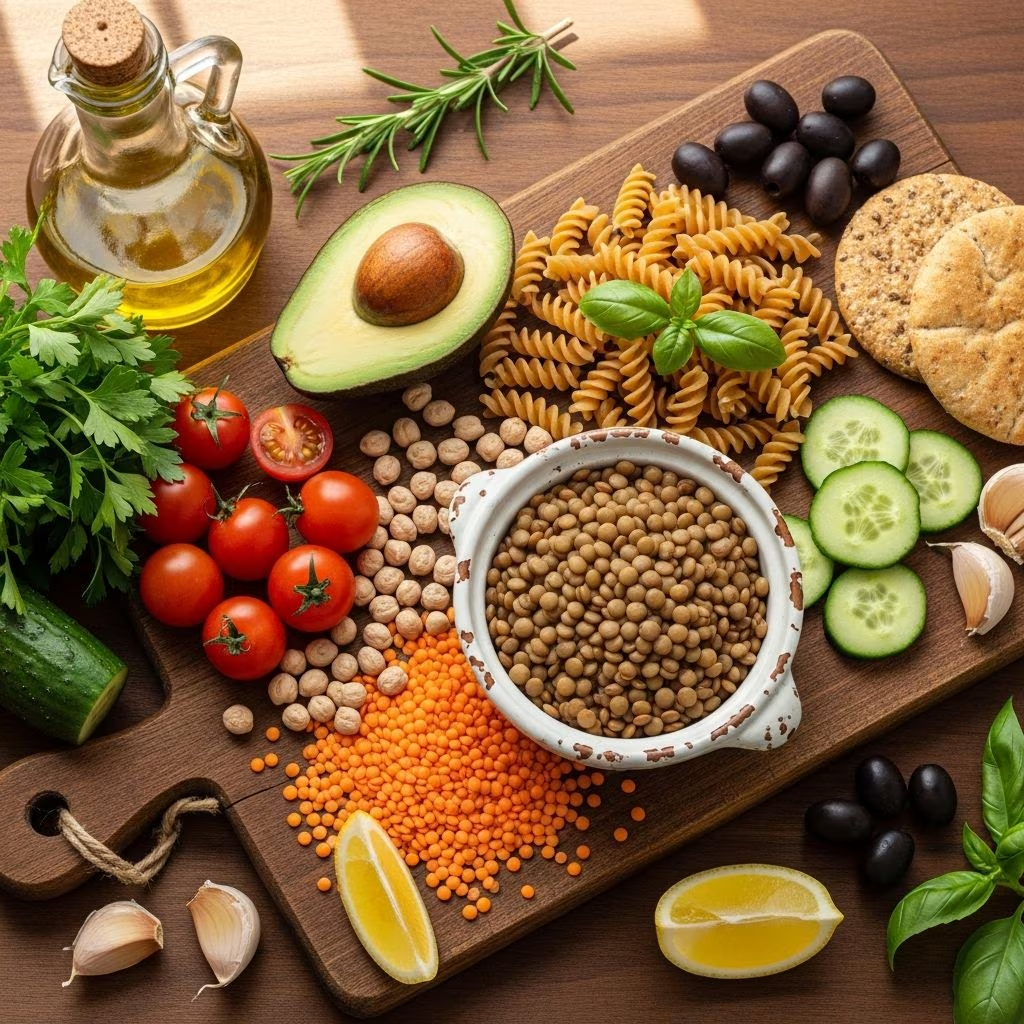
The Mediterranean diet is renowned for promoting heart health, longevity, and overall well-being through whole foods like vegetables, fruits, whole grains, legumes, nuts, olive oil, and fish. Traditionally associated with higher costs, this eating pattern can be adapted to any budget with strategic choices. By prioritizing seasonal produce, affordable proteins like beans and eggs, and bulk buying, you can reap the benefits without financial strain. This guide covers budget-friendly staples, shopping tips, and sample meal ideas to make the Mediterranean diet accessible for everyone.
What Is the Mediterranean Diet?
The Mediterranean diet draws inspiration from traditional eating habits in countries bordering the Mediterranean Sea, such as Greece, Italy, and Spain. It emphasizes plant-based foods, healthy fats, and moderate seafood while limiting red meat, processed foods, and added sugars. Key components include:
- Abundant vegetables and fruits for vitamins, minerals, and fiber.
- Whole grains like oats, barley, and brown rice for sustained energy.
- Legumes (beans, lentils, chickpeas) as inexpensive protein sources.
- Nuts and seeds in moderation for healthy fats.
- Extra-virgin olive oil as the primary fat.
- Fish and poultry over red meat.
- Moderate dairy, herbs, spices, and red wine (optional).
Research from the American Heart Association links this diet to reduced risks of heart disease, diabetes, and certain cancers, thanks to its anti-inflammatory properties and nutrient density.
Why Choose a Budget-Friendly Mediterranean Diet?
Adopting a budget version doesn’t compromise health benefits. Affordable staples provide the same polyphenols, omega-3s, and fiber that make the diet effective. Benefits include improved cholesterol levels, better blood sugar control, weight management, and enhanced gut health. A study in the New England Journal of Medicine showed Mediterranean-style eating reduces cardiovascular events by 30% compared to low-fat diets. By focusing on cost-effective foods, families can save up to 20-30% on grocery bills while eating healthier.
Budget-Friendly Staples for the Mediterranean Diet
Here are the most affordable foods that align perfectly with Mediterranean principles. These items are versatile, nutrient-packed, and often available in bulk or frozen forms to stretch your dollar.
Legumes: The Ultimate Budget Protein
Dried beans, lentils, and chickpeas cost pennies per serving and offer plant-based protein, fiber, and iron. A pound of dry lentils yields about 8 cups cooked, rivaling meat in satiety.
- Lentils: Quick-cooking, high in folate; use in soups or salads ($1-2/lb dry).
- Black beans and chickpeas: Canned versions are convenient (rinse to reduce sodium); dried are cheaper long-term.
- Recipe idea: Mediterranean lentil soup with onions, garlic, tomatoes, and cumin.
Eggs: Versatile and Inexpensive
At under $3/dozen, eggs provide high-quality protein, B vitamins, and choline. They’re a staple in Mediterranean breakfasts like shakshuka or frittatas with veggies.
- Pair with spinach and feta for a nutrient boost.
- Health perk: Eggs support eye health via lutein and zeaxanthin.
Canned Fish: Omega-3s on a Dime
Sardines, mackerel, and anchovies in water or olive oil deliver omega-3 fatty acids for heart health at $1-2/can. Aim for two servings weekly, as recommended by nutrition experts.
- Sardines: Bone-in for calcium; mash on whole-grain toast.
- Tuna: Choose light tuna in water; mix into bean salads.
Seasonal and Frozen Produce
Fresh produce in season is cheapest—think winter citrus, summer berries, or fall root veggies. Frozen options retain nutrients and cut waste.
| Season | Budget Picks | Price Range | Uses |
|---|---|---|---|
| Spring | Asparagus, spinach, strawberries | $1-2/lb | Salads, smoothies |
| Summer | Tomatoes, zucchini, berries | $0.50-1.50/lb | Grilled, gazpacho |
| Fall | Apples, squash, greens | $0.75-1.50/lb | Roasts, stews |
| Winter | Citrus, cabbage, carrots | $0.50-1/lb | Salads, soups |
Frozen spinach, berries, and peas are year-round steals at $1-2/bag.
Whole Grains: Filling and Cheap
Oats, barley, quinoa (in bulk), and whole-wheat pasta provide complex carbs. A 5-lb bag of oats costs under $5 and lasts months.
- Barley: Chewy texture for soups; lowers cholesterol.
- Bulgur: Quick-cooking for tabbouleh.
Healthy Fats: Olive Oil and Nuts
Buy extra-virgin olive oil in larger tins ($10-15/L). Nuts like almonds and walnuts are pricier but portion-controlled (1 oz/day). Peanut butter counts as a budget alternative.
Dairy and Alternatives
Greek yogurt ($3-4/large tub) offers protein; feta cheese adds flavor sparingly. Opt for store-brand.
Smart Shopping Strategies
Maximize savings with these tips:
- Shop the perimeter: Fresh produce, bulk bins for grains/legumes.
- Buy in bulk and freeze: Dry goods, nuts, frozen veggies.
- Choose store brands: Identical quality, half the price.
- Plan meals weekly: Reduces impulse buys; use apps for sales.
- Farmers markets late: Discounted unsold produce.
- Grow herbs: Basil, parsley on a windowsill save money.
According to USDA guidelines, these habits can cut food costs by 25% while aligning with healthy patterns.
Sample 7-Day Budget Meal Plan
This plan serves 1-2 people, costing ~$50-70/week.
| Day | Breakfast | Lunch | Dinner |
|---|---|---|---|
| Monday | Greek yogurt with berries & oats | Lentil soup & whole-grain bread | Baked sardines with veggies & quinoa |
| Tuesday | Egg veggie frittata | Chickpea salad w/ feta & olives | Barley risotto w/ mushrooms & spinach |
| Wednesday | Oatmeal w/ apple & nuts | Tuna wrap w/ greens | Bean stew w/ tomatoes & herbs |
| Thursday | Yogurt parfait | Leftovers soup | Grilled chicken w/ roasted veggies |
| Friday | Boiled eggs & fruit | Hummus & veggie plate | Pasta w/ sardines & broccoli |
| Saturday | Smoothie w/ frozen fruit | Quinoa salad | Vegetable stir-fry w/ eggs |
| Sunday | Whole-grain toast w/ PB | Bean burrito bowl | Fish tacos w/ cabbage slaw |
Common Myths About the Mediterranean Diet
Myth 1: It’s expensive. Reality: Focus on plants and legumes keeps costs low.
Myth 2: Requires exotic ingredients. Reality: Staples are everyday foods.
Myth 3: No room for treats. Reality: Dark chocolate and nuts fit in moderation.
Frequently Asked Questions (FAQs)
What if I can’t afford olive oil?
Use canola oil blended with herbs for a similar profile, or buy in bulk sales.
Are canned beans as good as dry?
Yes, rinsed canned beans retain most nutrients and save time.
How do I make it vegetarian?
Swap fish for more legumes, tofu, or eggs; benefits remain strong.
Can kids follow this diet?
Absolutely—make it fun with colorful veggies and dips.
What’s the best budget fish?
Sardines and canned mackerel for omega-3s at low cost.
Health Benefits Backed by Science
The diet’s efficacy is supported by long-term studies like PREDIMED, showing 30% reduced stroke risk. Its emphasis on fiber aids digestion, while monounsaturated fats protect arteries.
Incorporate these foods gradually for sustainable habits. Track savings and energy levels to stay motivated.
References
- Eating Seafood for Heart Health — GreatNews.Life. 2023-05-15. https://greatnews.life/article/eating-well-at-home/
- Dietary Guidelines for Americans, 2020-2025 — USDA.gov. 2020-12-01. https://www.dietaryguidelines.gov/sites/default/files/2020-12/Dietary_Guidelines_for_Americans_2020-2025.pdf
- PREDIMED Study: Primary Prevention of Cardiovascular Disease with a Mediterranean Diet — New England Journal of Medicine (NEJM). 2013-02-26. https://www.nejm.org/doi/full/10.1056/NEJMoa1200303
- Mediterranean Diet and Health Outcomes — American Heart Association. 2024-01-10. https://www.heart.org/en/healthy-living/healthy-eating/eat-smart/nutrition-basics/mediterranean-diet