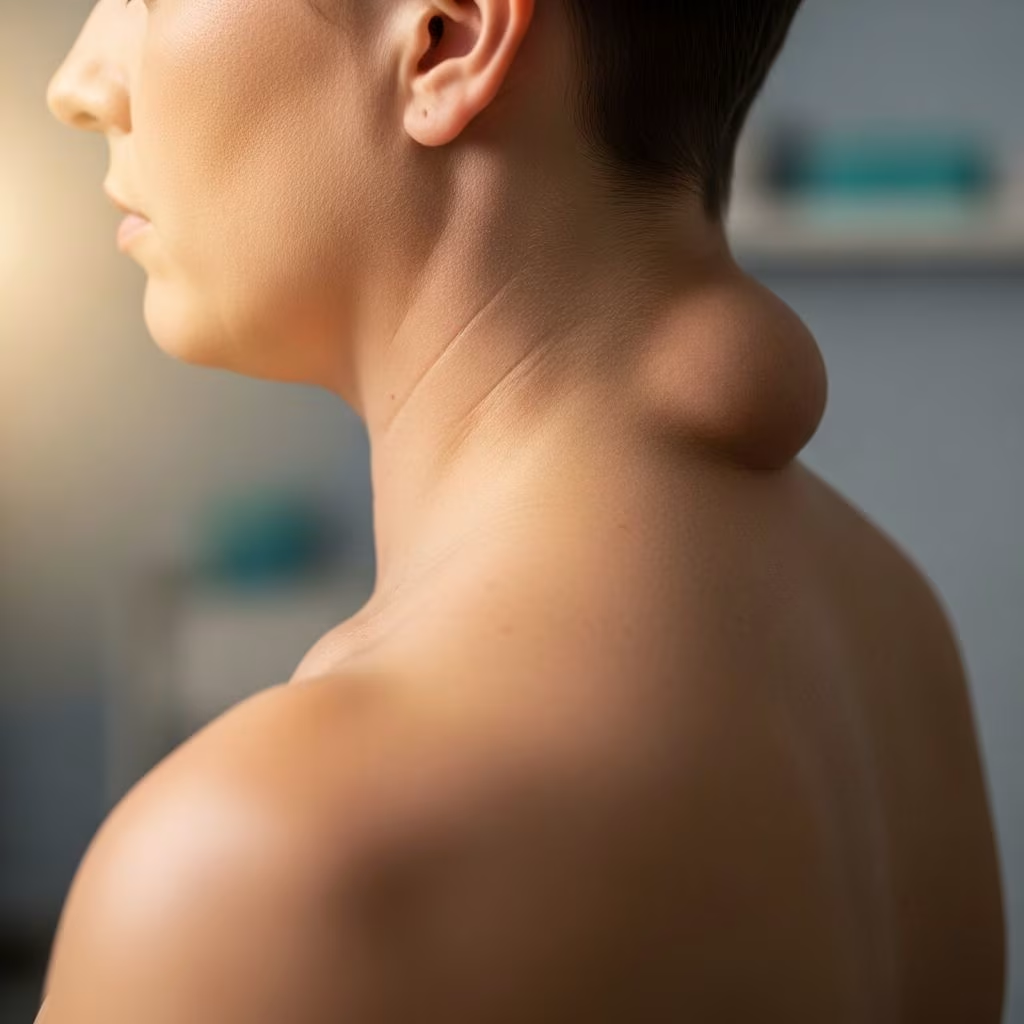
A buffalo hump, also known as a dorsocervical fat pad, is a noticeable accumulation of fat at the base of the neck between the shoulder blades. This condition often signals underlying hormonal imbalances, particularly excess cortisol production, and requires medical evaluation to address root causes.
What Is a Buffalo Hump?
The buffalo hump appears as a soft, movable bulge of extra fat around the upper back and neck area, resembling the hump on a buffalo—hence the name. Unlike bony deformities, it consists of adipose tissue that can cause cosmetic concerns, neck discomfort, and signal serious health issues like Cushing’s syndrome.
Commonly seen in individuals with prolonged high cortisol levels, it develops gradually and may worsen with weight gain in the torso. Early recognition is key, as it rarely occurs alone and often accompanies other symptoms.
Causes of Buffalo Hump
Buffalo hump primarily results from disruptions in fat distribution due to hormonal changes or medications. Key causes include:
- Cushing’s syndrome: Excess cortisol from adrenal or pituitary issues leads to fat redistribution to the neck, face, and abdomen.
- Medication side effects: Long-term use of glucocorticoids like prednisone, cortisone, hydrocortisone, or certain HIV protease inhibitors causes lipodystrophy in up to 60% of chronic users.
- Other endocrine disorders: Adrenal hyperplasia, tumors in adrenal or pituitary glands.
- HIV lipodystrophy: Fat accumulation in trunk/neck with loss in limbs and face.
- Rare factors: Obesity, poor posture (though distinct from true buffalo hump), or genetic predispositions.
Seriously, untreated causes like tumors can be life-threatening, emphasizing prompt diagnosis.
Symptoms of Buffalo Hump
Beyond the visible hump, symptoms vary by cause but often include:
| Underlying Cause | Primary Symptoms | Associated Signs | Typical Onset |
|---|---|---|---|
| Cushing’s Syndrome | Fat pad at neck base, central obesity | Purple striae, bruising, weakness, hypertension | Gradual (months-years) |
| HIV Lipodystrophy | Fat to trunk/neck | Fat loss in face/limbs, insulin resistance | Months-years on meds |
| Steroid Use | Neck fat buildup | Moon face, acne, high blood sugar | With chronic use |
Additional signs of cortisol excess: acne, back pain, bruising, emotional changes, high blood pressure, moon face, thinning skin, weakness, excessive thirst/urination. Large humps may cause neck pain, nerve compression (numbness, tingling), sleep apnea, or metabolic syndrome risks like diabetes and heart disease.
How to Diagnose Buffalo Hump
Diagnosis starts with medical history (medications, symptoms) and physical exam to assess the hump’s softness and rule out spinal issues.
Lab tests for cortisol excess:
- 24-hour urinary free cortisol
- Late-night salivary cortisol
- Dexamethasone suppression test
- Blood glucose/lipids
Imaging: MRI/CT for fat vs. kyphosis; X-rays for bone structure. Endocrine symptoms alongside guide testing for tumors or adrenal issues.
Treatment Options for Buffalo Hump
Treatment targets the cause:
- Address underlying condition: Manage Cushing’s via surgery, radiation for tumors, or taper steroids.
- Lifestyle changes: Stress reduction, diet/exercise for cortisol control, though fat is stubborn.
- Cosmetic removal: Liposuction or laser-assisted Precision Sculpt under local anesthesia—single session, minimal downtime, permanent fat cell removal.
Avoid surgery if kyphosis misdiagnosed; posture exercises suit dowager’s hump instead. Complications if untreated: osteoporosis, diabetes, fractures.
Buffalo Hump vs. Dowager’s Hump
| Feature | Buffalo Hump | Dowager’s Hump |
|---|---|---|
| Cause | Fat deposit (cortisol, meds) | Kyphosis (posture, osteoporosis) |
| Texture | Soft, movable | Bony, fixed |
| Treatment | Hormone fix, lipo | Posture correction, bone density |
Prevention and When to See a Doctor
Prevent by minimizing steroid use, managing stress/HIV meds, monitoring cortisol. See a doctor if hump appears with cortisol symptoms, pain, or rapid growth—could indicate tumors.
Buffalo hump itself isn’t dangerous but signals risks like hypertension, diabetes.
Frequently Asked Questions (FAQs)
Is buffalo hump always a sign of Cushing’s syndrome?
No, it can result from steroids, HIV meds, obesity, or posture; medical evaluation determines cause.
Can exercises get rid of buffalo hump?
Exercises help posture but not fibrous fat; address hormones or consider removal.
Is buffalo hump dangerous?
Not directly, but signals issues like Cushing’s risking diabetes, heart disease; evaluate promptly.
How is buffalo hump removed?
Laser lipo or surgery under local anesthesia; quick recovery, permanent results.
What’s the difference between buffalo hump and dowager’s hump?
Buffalo is fat-based; dowager’s is spinal curvature from osteoporosis/posture.
References
- Buffalo hump – Network of Care — Network of Care. Accessed 2026. https://mh.networkofcare.org/imperial/HealthLibrary/Article?docType=general&articleId=zm2404
- How to Get Rid of Buffalo Hump: 5 Powerful Solutions 2025 — Ideal Face and Body. 2025. https://idealfaceandbody.com/how-to-get-rid-of-buffalo-hump/
- Buffalo Hump: What Is It, and Why Does It Happen? — Healthgrades. Accessed 2026. https://resources.healthgrades.com/right-care/endocrinology-and-metabolism/buffalo-hump
- Why Do I Have a Buffalo Hump on My Upper Back? — SiPhox Health. Accessed 2026. https://siphoxhealth.com/articles/why-do-i-have-a-buffalo-hump-on-my-upper-back
- Hump Behind the Shoulders: Causes, Diagnosis, and Treatments — Healthline. Accessed 2026. https://www.healthline.com/health/hump-behind-the-shoulders