
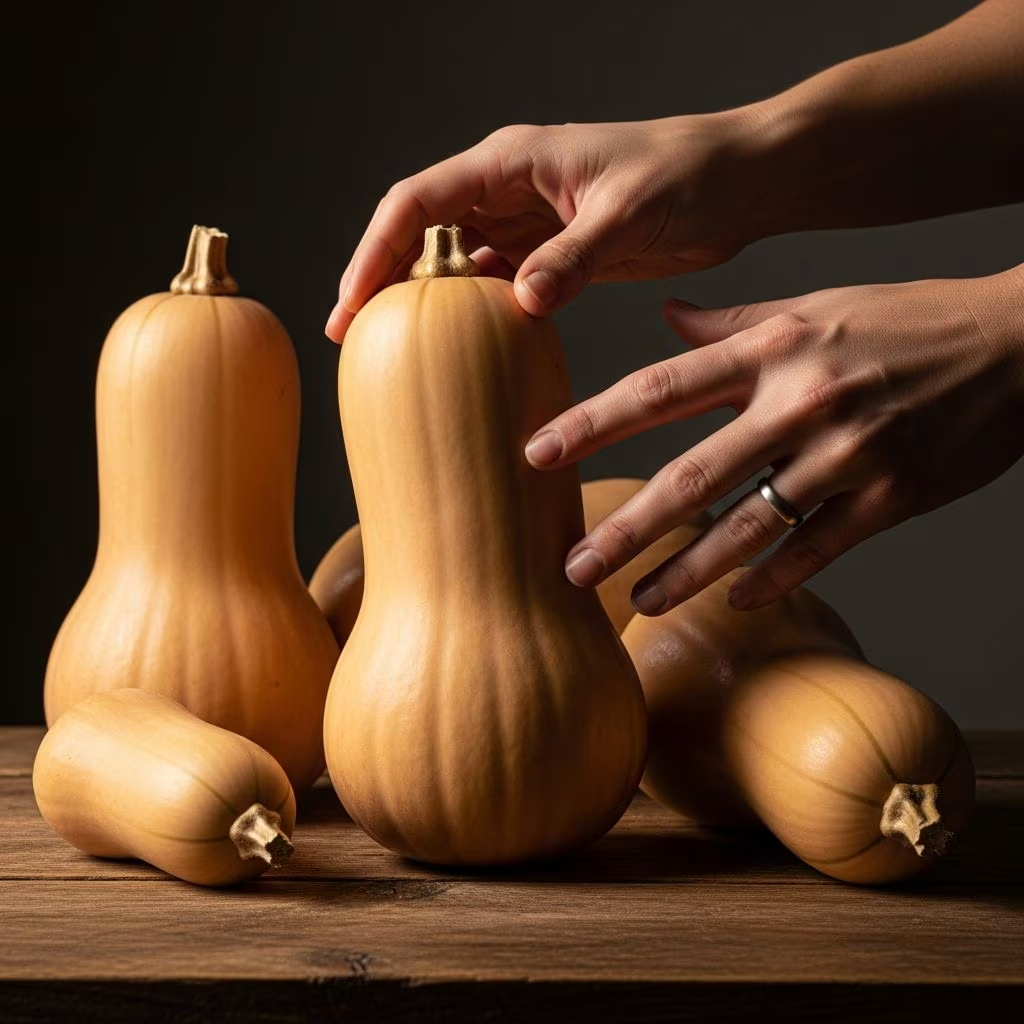
Butternut squash is a fall favorite, prized for its sweet, nutty flavor and versatile use in soups, roasts, and salads. Selecting the right one ensures maximum freshness and taste. This guide covers key selection criteria like color, weight, shape, skin, and stem, drawn from expert produce tips.
Butternut Squash Season and Availability
Butternut squash peaks from October to February, making it ideal for cozy autumn and winter dishes. Even outside peak season, proper storage keeps it fresh for months. Harvested mature, it stores well in cool, dry places, retaining nutrients like vitamin A and fiber.
How to Select the Perfect Butternut Squash
Focus on these attributes to pick a ripe, flavorful squash:
- Color: Choose solid matte beige or deep tan skin. Avoid green patches, indicating under-ripeness, or shiny surfaces, which suggest immaturity. Bronze streaks are acceptable, but uniformity signals quality.
- Weight: It should feel heavy for its size. Compare similar squashes; heavier ones are juicier, sweeter, and full of flesh due to higher water content.
- Shape: Opt for a longer neck relative to the bulbous base. The neck is seed-free meat, easier to peel and cube, yielding more edible portions.
- Skin Texture: Firm and taut, resisting fingernail pressure without denting. Skip soft spots, bruises, or cuts, which invite rot.
- Stem: Look for a dry, firm, brown stem. Soft or missing stems mean overripeness or spoilage.
Test ripeness by tapping; a hollow sound suggests underdevelopment. Size varies without affecting taste, but larger necks maximize yield.
Storing Butternut Squash
Store whole squash in a cool (50-55°F), dry, dark spot like a pantry. Good ventilation prevents moisture buildup. It lasts 2-3 months this way. Refrigerate cut pieces wrapped tightly, using within a week. Avoid proximity to ethylene producers like apples to prevent premature softening.
| Storage Method | Temperature | Shelf Life |
|---|---|---|
| Whole, uncut | 50-55°F | 2-3 months |
| Cut, refrigerated | 35-40°F | 5-7 days |
| Roasted, frozen | 0°F | 10-12 months |
How to Prep Butternut Squash
Preparing butternut squash safely yields perfect cubes. Follow these steps:
- Wash and Dry: Rinse under cool water, scrub lightly, and pat dry.
- Soften: Microwave whole squash 30-60 seconds to loosen skin.
- Trim Ends: Slice off stem and bottom for stability.
- Peel: Use a Y-peeler or knife to remove rind top-to-bottom.
- Halve: Cut lengthwise; scoop seeds with a spoon (roast seeds separately).
- Cube: Slice into 1-inch strips, then cubes for even cooking.
Wear a cut-resistant glove for safety with its tough skin. Separate neck (solid) from bulb (seedy) for efficiency.
Roasting Butternut Squash
Roasting caramelizes natural sugars for sweet, tender results. Basic method:
- Preheat oven to 375°F.
- Toss 6 cups cubes with 2 tbsp olive oil, 2 tbsp maple syrup, ½ tsp salt.
- Spread on parchment-lined sheet; roast 40-45 minutes, flipping halfway, until golden and fork-tender.
Variations: Add cinnamon for sweetness or rosemary for savoriness. Use in salads, pastas, or purees.
Health Benefits of Butternut Squash
Rich in beta-carotene, vitamin C, fiber, it supports immunity, vision, and digestion. Low-calorie (82 kcal/cup cooked), it’s ideal for healthy eating. Antioxidants combat inflammation.
Common Mistakes When Picking Butternut Squash
- Choosing light squash: Indicates dryness, poor flavor.
- Ignoring skin flaws: Leads to spoilage.
- Overlooking shape: Smaller necks mean more seeds, less meat.
- Storing improperly: Speeds decay.
Recipe Ideas with Butternut Squash
- Soup: Puree roasted squash with broth, ginger, coconut milk.
- Salad: Toss with kale, feta, pomegranate.
- Pasta: Mix into creamy sauce with sage.
- Roasted Sides: Simple with herbs.
Frequently Asked Questions (FAQs)
What’s the best color for ripe butternut squash?
Deep matte beige or tan, uniform without green spots.
Does size matter when picking butternut squash?
No, focus on weight and shape over size.
How long does butternut squash last?
2-3 months stored cool and dry.
Can I eat butternut squash skin?
No, it’s tough; always peel.
Why choose a squash with a long neck?
More seedless flesh, easier prep.
How do I know if it’s heavy enough?
Compare to similar-sized ones; heavier is juicier.
References
- How to Select & Roast Butternut Squash — Chef Cindy. 2023. https://chefcindy.com/how-to-select-roast-butternut-squash/
- How to Buy Butternut Squash — Jerry James Stone. 2023. https://jerryjamesstone.com/how-to/how-to-buy-butternut-squash/
- Choosing A Butternut Squash (Quick Tip) — Fresh Bites Daily. 2023. https://freshbitesdaily.com/choosing-butternut-squash/
- How to Pick, Peel, Cut and Roast Butternut Squash — Jackfruitful. 2023. https://jackfruitful.com/how-to-peel-and-roast-butternut-squash/
- The Winter Squash Guide – Tips, Tricks and Types — Red Fire Farm. 2023. https://www.redfirefarm.com/the-winter-squash-guide-tips-and-tricks-and-types/