
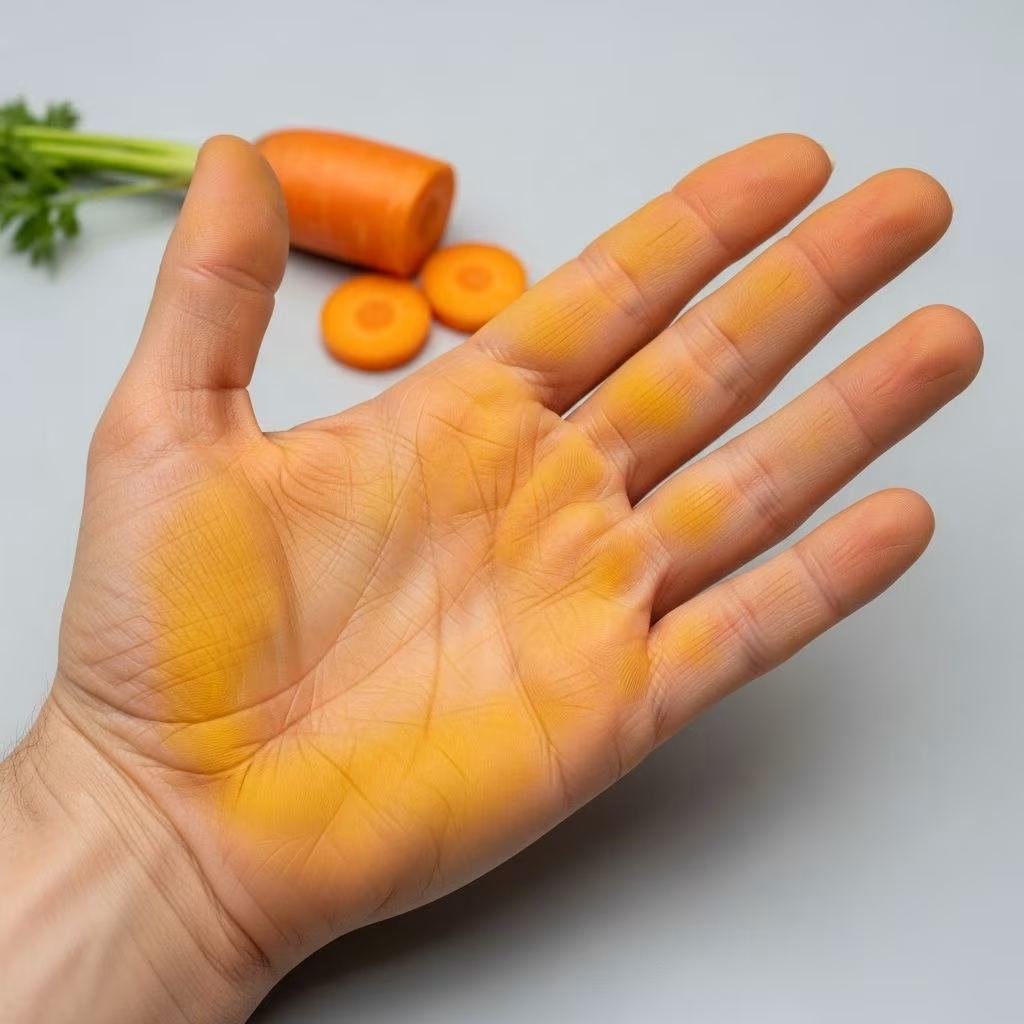
Carotenoderma, also known as carotenaemia or carotenemia, is a benign condition characterized by yellow-orange discoloration of the skin resulting from elevated blood levels of β-carotene. This pigmentation spares the sclerae and mucous membranes, distinguishing it from jaundice.
Introduction
Carotenoderma arises from carotenaemia, where serum β-carotene exceeds the normal range of 0.5–2.0 μmol/L (30–120 μg/dL). β-Carotene, a provitamin A carotenoid, accumulates in the stratum corneum, the outermost skin layer rich in lipids, imparting a yellow-orange hue. Unlike jaundice, which involves bilirubin deposition affecting sclerae due to their lack of stratum corneum, carotenoderma does not yellow the eyes or mucous membranes.
The condition is harmless and reversible, often seen in individuals with high intake of carotenoid-rich foods. It was historically noted during World Wars I and II amid plant-based diets due to food shortages. Groups at risk include infants on pureed vegetable baby foods, vegetarians, and those with medical conditions impairing carotenoid metabolism.
Demographics
Carotenoderma predominantly affects children, particularly infants and toddlers fed excessive carrots, squash, or sweet potatoes in commercial baby foods. Parents may unintentionally cause it through well-meaning high-vegetable diets.
Vegetarians and vegans are prone due to reliance on carotenoid-rich plants. Adults taking β-carotene supplements for tanning, eye health, or antioxidants may develop it. Women, especially those with amenorrhea in vegetarian contexts, show higher incidence.
Risk extends to patients with hypothyroidism, diabetes, liver disease, kidney disorders, or anorexia nervosa, where carotenoid conversion to vitamin A is impaired. Rare genetic disorders affecting carotenoid metabolism also contribute.
Causes
The primary cause is excessive dietary intake of β-carotene from orange/yellow fruits and vegetables like carrots, pumpkins, sweet potatoes, mangoes, apricots, and leafy greens (spinach, kale). Green beans and squash in baby foods are common culprits.
- Foods high in carotenoids: Carrots, squash, sweet potatoes, cantaloupe, peaches, papayas, tomatoes (lycopene variant), and dark green vegetables.
- Supplements: High-dose β-carotene pills.
Non-dietary causes include impaired metabolism:
- Hypothyroidism reduces hepatic conversion of β-carotene to vitamin A.
- Diabetes, liver/kidney diseases, and hyperlipidemia hinder processing.
- Anorexia nervosa or malnutrition alters lipid transport.
- Rarely, genetic defects in carotenoid cleavage enzymes.
Lycopenemia, from tomato overuse, causes reddish-yellow tint. Pica in iron deficiency may drive carrot craving.
Clinical features
The hallmark is yellow-orange skin pigmentation, most prominent on palms, soles, forehead, nose tip, and nasolabial folds, spreading gradually. It intensifies in stratum corneum-rich areas.
Symptoms are absent; it’s asymptomatic. Rarely, associated conditions cause fatigue, itching, or abdominal pain. Palate may yellow occasionally.
Variation in skin types
In lighter Fitzpatrick skin types (I–III), yellowing is evident on palms/soles.
In darker types (IV–VI), it may appear as lightening of face with yellow palms/soles, subtler overall.
| Fitzpatrick Type | Appearance |
|---|---|
| I–III (Light) | Obvious yellow-orange palms, soles, face |
| IV–VI (Dark) | Subtle yellow palms/soles; facial lightening |
Complications
Carotenoderma is benign with no long-term effects. Excess β-carotene does not cause vitamin A toxicity or hypervitaminosis A, as conversion is regulated. Resolution occurs without sequelae, though color lingers months post-normalization due to tissue storage.
Diagnosis
Diagnosis relies on clinical history (diet high in carrots/vegetables) and examination showing yellow-orange skin sparing sclerae.
Investigations:
- Serum β-carotene >2.0 μmol/L confirms.
- Normal bilirubin/liver enzymes rule out jaundice.
- Lipid profile, thyroid/kidney function if underlying disease suspected.
No biopsy needed; history suffices.
Differential diagnoses
Jaundice: Yellow sclerae, elevated bilirubin, systemic symptoms.
- Xanthoderma from hyperlipidemia.
- Lycopenemia (tomato-induced, reddish).
- Hypothyroidism, diabetes signs.
- Rare: trichrome vitiligo with orange hue.
Treatment
Dietary modification is mainstay: reduce β-carotene-rich foods. Consult dietitian if needed. Reassure patients—benign.
Avoid supplements. Treat underlying conditions (e.g., hypothyroidism). Resolution takes weeks to months.
Outcome
Skin normalizes progressively on low-carotene diet, persisting months due to lipophilic storage. No recurrence if intake moderated.
Frequently Asked Questions (FAQs)
Q: Is carotenoderma dangerous?
A: No, it’s benign and harmless, unlike jaundice.
Q: How long does skin discoloration last?
A: Several months after diet change, due to tissue accumulation.
Q: Can babies get it?
A: Yes, from excessive pureed carrots/squash.
Q: Does it affect eyes?
A: No, sclerae spared—key differentiator from jaundice.
Q: What foods to avoid?
A: Carrots, sweet potatoes, pumpkins, spinach, supplements.
References
- Carotenoderma – Carotenaemia (carotenemia), carotenosis — DermNet NZ. 2023. https://dermnetnz.org/topics/carotenoderma
- Carotenemia – StatPearls — NCBI Bookshelf. 2023-10-01. https://www.ncbi.nlm.nih.gov/books/NBK534878/
- Can Eating Too Many Carrots Turn Your Skin Orange? — Cleveland Clinic. 2023. https://health.clevelandclinic.org/can-eating-too-many-carrots-turn-your-skin-orange
- Carotenemia — MD Searchlight. 2024. https://mdsearchlight.com/skin-problems-and-treatments/carotenemia/
- Carotenoderma – a condition worth knowing! – YouTube — Discover Dermatology. 2022-07-22. https://www.youtube.com/watch?v=HEkI7pcjrUE