
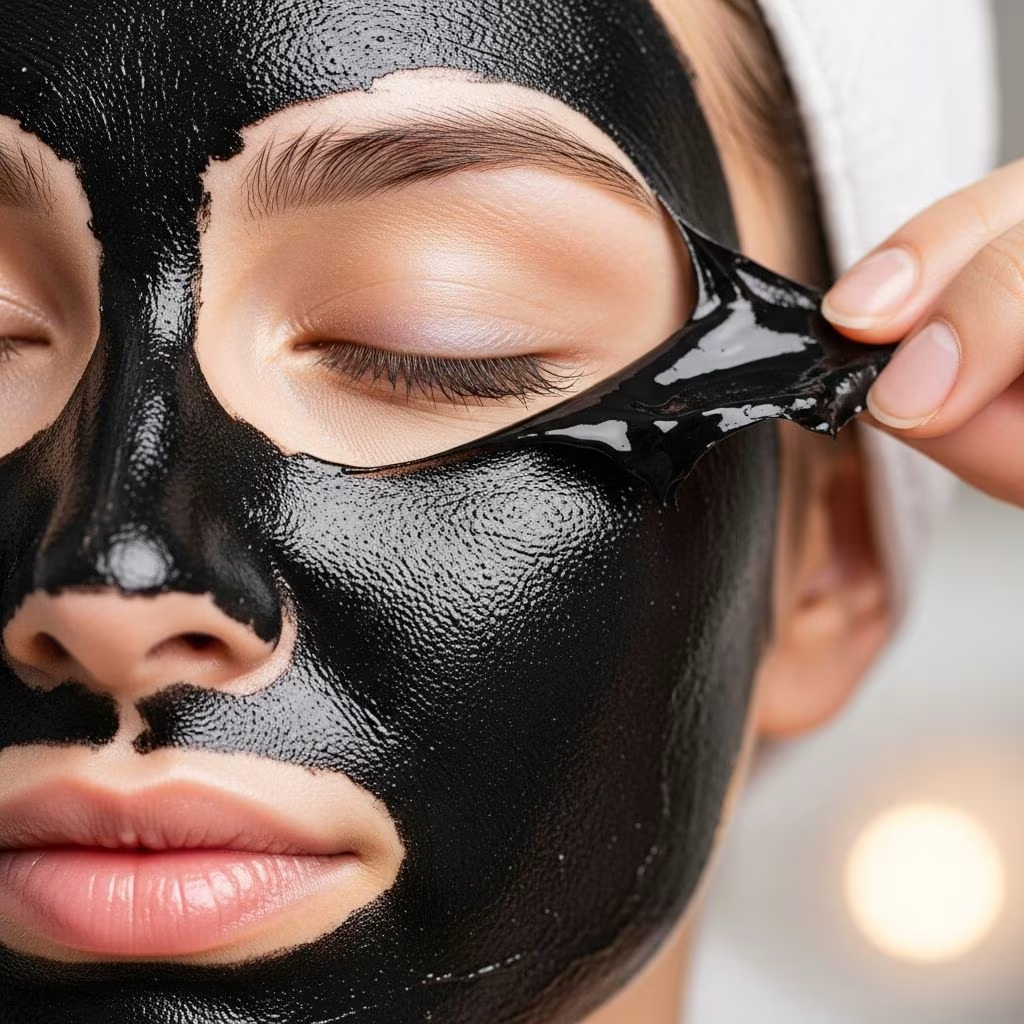
Charcoal face masks, particularly peel-off varieties, have surged in popularity for their promise of deep cleansing and blackhead removal. These masks use activated charcoal to draw out impurities, but questions linger about their safety, especially for sensitive or dry skin types. While they offer benefits like oil control and smoother texture, misuse can lead to irritation, dryness, and compromised skin barriers. This article examines the science, risks, proper use, and alternatives to help you decide if charcoal peel-off masks are right for your routine.
What Is a Charcoal Face Mask?
Activated charcoal, derived from carbon sources like wood or coconut shells heated without oxygen, acts as a porous adsorbent that binds to toxins, oils, and dirt. In skincare, it’s formulated into masks—often peel-off types that harden and lift off the skin—to target clogged pores and excess sebum. Popular for oily and acne-prone skin, these masks create a mattifying effect and gentle exfoliation by removing dead cells.
- Key Ingredient Breakdown: Activated charcoal’s negative charge attracts positively charged particles like bacteria and pollutants.
- Formulations: Peel-off masks include polymers like polyvinyl alcohol that form a film; rinse-off versions are gentler creams or gels.
- Target Concerns: Blackheads, enlarged pores, shine, and mild acne.
Though anecdotal evidence praises their instant gratification, limited clinical studies support claims, relying heavily on charcoal’s established detox properties from medical uses like poisoning treatment.
Benefits of Charcoal Face Masks
When used appropriately, charcoal masks provide noticeable improvements, particularly for oily skin. They excel at surface-level cleansing without needing harsh scrubs.
- Deep Cleansing: Charcoal absorbs dirt, excess oil, and makeup residue, preventing pore congestion.
- Pore Minimization: By clearing debris, pores appear smaller, though genetic size remains unchanged.
- Mattifying Effect: Reduces shine, ideal for combination or oily types.
- Gentle Exfoliation: Some formulas slough off dead skin for smoother texture.
- Acne Reduction: Minimizes clogs that lead to breakouts.
Anecdotal reports and small studies suggest clearer complexions post-use, with reduced inflammation from bacterial extraction.
Are Charcoal Peel-Off Masks Safe?
Peel-off charcoal masks aren’t universally safe. While generally tolerable for hardy skin, they pose risks during removal, akin to aggressive waxing. Dermatology experts warn of barrier disruption, making skin vulnerable to irritants.
| Pros | Cons |
|---|---|
| Quick impurity removal | Potential for pain and redness |
| Visible blackhead extraction | Skin barrier stripping |
| Satisfying peel effect | Increased sensitivity |
Safety hinges on skin type, frequency, and formula quality. Patch testing is essential.
Potential Risks and Side Effects
Overhyped peel-off masks can harm more than help. Key dangers include:
- Peel-Off Trauma: Adhesive removal rips off top skin layers, oils, and vellus hairs, causing redness, irritation, and micro-tears.
- Barrier Damage: Loss of protective stratum corneum heightens infection risk and dehydration.
- Dryness and Overproduction: Frequent use (beyond 1-2x weekly) triggers rebound oiliness and acne.
- Allergic Reactions: Ingredients like hexylene glycol or fragrances irritate sensitive skin.
- Broken Capillaries: Pulling stresses fragile vessels, leading to visible redness.
- Worsened Conditions: Aggravates rosacea, eczema, or acne via inflammation.
For mature or post-procedure skin, risks amplify due to thinner barriers and slower healing.
Who Should Avoid Charcoal Peel-Off Masks
Not everyone benefits. Steer clear if you have:
- Sensitive or Reactive Skin: Prone to redness and flares.
- Dry/Flaky Skin: Exacerbates dehydration.
- Skin Conditions: Eczema, rosacea, psoriasis, or active acne.
- Mature Skin: Reduced elasticity heightens sagging risk from oil stripping.
- Recent Treatments: Avoid post-peels, lasers, or microneedling.
Consult a dermatologist for personalized advice, especially with allergies.
How to Use Charcoal Masks Safely
Maximize benefits, minimize harm with these steps:
- Patch Test: Apply to inner elbow; wait 24 hours.
- Cleanse First: Start on fresh face.
- Thin Layer: Avoid eyes, lips, hairline.
- Timing: Leave on 10-15 minutes until taut, not cracked.
- Gentle Removal: Peel slowly from edges; rinse residues.
- Moisturize: Follow with hydrator and SPF.
- Frequency: 1-2 times weekly max.
Opt for jelly or wash-off over peel-off for gentleness.
DIY Charcoal Masks: Why Skip Them
Home recipes lack regulation, risking burns from citrus or glue, bacterial contamination, and imbalanced ratios. Store-bought options ensure stability and safety.
- No Quality Control: Inconsistent potency.
- Harsh Add-Ins: Lemon or PVA glue irritates.
- Bacteria Risk: No preservatives.
Stick to reputable brands tested for purity.
Best Alternatives to Peel-Off Masks
Safer options deliver similar results without trauma:
- Clay Masks (Kaolin/Bentonite): Absorb oil gently; rinse off.
- Jelly Masks: Hydrate while detoxing.
- Cream Masks: Nourish as they cleanse.
- Chemical Exfoliants: AHAs/BHAs unclog without pulling.
- Professional Treatments: Microdermabrasion or gentle facials.
| Alternative | Best For | Why Safer |
|---|---|---|
| Clay Mask | Oily/Acne-Prone | No mechanical stress |
| Jelly Mask | All Types | Hydrating, non-drying |
| AHA Serum | Pores/Texture | Targets inside pores |
Frequently Asked Questions (FAQs)
Are charcoal face masks good for pores?
Yes, they clear debris for a refined look, but can’t shrink pores permanently.
Can peel-off masks cause sagging skin?
Frequent use strips oils and inflames, breaking down collagen for reduced elasticity.
How often can I use a charcoal mask?
1-2 times weekly to avoid dryness.
Do charcoal masks remove blackheads?
Surface ones yes, but deep comedones need professional extraction.
Are they safe for sensitive skin?
Often not—opt for rinse-off and patch test.
Final Thoughts on Charcoal Peel-Off Masks
Charcoal masks shine for occasional deep cleanses on resilient skin but falter as daily staples. Prioritize barrier health over trends—gentle, consistent care yields lasting glow. Choose wisely, use sparingly, and listen to your skin.
References
- Charcoal Face Masks: Are They Safe? — Britains Beauty. 2023. https://britainsbeauty.com/charcoal-face-mask-safety/
- The Dangers of the New Charcoal Mask Trend — Synergy MD Cosmetic Dermatology. 2017-04-10. https://www.synergymdcosmeticdermatology.com/blog/2017/04/10/the-dangers-of-the-new-216192/
- The Hidden Dangers of Popular “Peel-Off” Masks — Alitura Naturals. Accessed 2026. https://alitura.com/blogs/beauty-benefits/the-hidden-dangers-of-popular-peel-off-masks
- Charcoal Mask Benefits: How to Apply and What to Know — Healthline. Accessed 2026. https://www.healthline.com/health/beauty-skin-care/charcoal-mask-benefits
- Why You Should Avoid Peel-Off Face Masks — Clinikally. Accessed 2026. https://www.clinikally.com/blogs/news/why-you-should-avoid-peel-off-face-masks