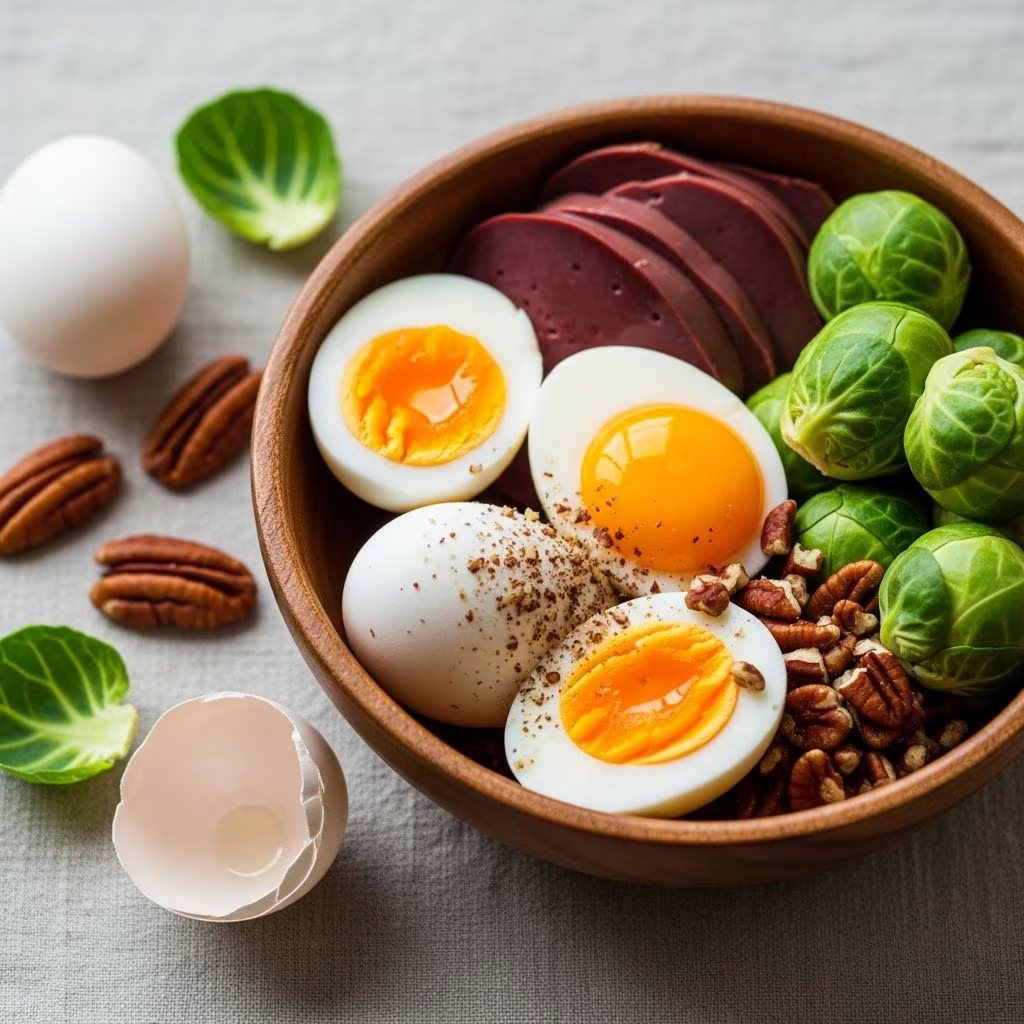
Choline is an essential nutrient vital for liver function, brain development, muscle movement, and nervous system maintenance. Though not classified among standard vitamins, its critical roles in cell membrane structure, neurotransmitter synthesis (acetylcholine), and fat metabolism make adequate intake crucial, especially during pregnancy and for preventing fatty liver disease.
What Is Choline?
Choline functions as a nutrient rather than a vitamin but shares similarities with B-complex vitamins in metabolism and health impacts. It serves as a building block for cell membranes via phosphatidylcholine (a major phospholipid), aids lipid transport from the liver, supports methylation processes overlapping with folate and B12, and acts as a precursor to the neurotransmitter acetylcholine, essential for memory, mood, and muscle control.
The body synthesizes limited choline from phosphatidylethanolamine, but this endogenous production is insufficient during high-demand periods like pregnancy, lactation, or growth, necessitating dietary sources. Plasma levels in healthy adults range from 7-20 µmol/L, remaining stable even during fasting due to liver reserves, though long-term deficiency depletes stores.
Choline Benefits
Choline supports multiple systems:
- Brain Health: As acetylcholine precursor, it promotes cognitive function, memory, and neuroprotection. Studies show forms like GPC antagonize amyloid-beta neurotoxicity, sustain synaptic proteins, enhance hippocampal neurogenesis, and protect against seizure-induced damage.
- Liver Health: Essential for exporting fats via VLDL; deficiency causes fat accumulation leading to NAFLD. Observational data link higher intakes to 25-32% lower NAFLD risk.
- Cardiovascular Support: May lower homocysteine, alter lipids, but high intake elevates TMAO, potentially raising CVD mortality risk.
- Pregnancy and Fetal Development: Critical for placental function, neural tube closure, and brain myelination; deficiency risks premature birth or neural defects.
- Muscle and Endothelial Function: Supports contraction via acetylcholine and protects endothelial cells from hypoxia via VEGF and nAChRs.
Emerging research links low choline to anxiety via brain receptor deficits.
Choline-Rich Foods
Top sources provide 20-50%+ of daily needs per serving. Prioritize whole foods over supplements for bioavailability.
| Food | Serving Size | Choline (mg) | % DV (Men) |
|---|---|---|---|
| Beef liver | 3 oz | 430 | 78% |
| Egg yolk | 1 large | 125 | 23% |
| Chicken breast | 3 oz | 75 | 14% |
| Salmon | 3 oz | 62 | 11% |
| Broccoli | 1 cup cooked | 63 | 11% |
| Quinoa | 1 cup cooked | 43 | 8% |
| Milk | 1 cup | 43 | 8% |
Data adapted from USDA/NHANES; men average 402 mg/day, women 278 mg from diet.
Choline Intake Recommendations
No universal RDA exists for all, but Adequate Intakes (AIs) from NIH:
| Age Group | Men (mg/day) | Women (mg/day) | Pregnancy (mg/day) | Lactation (mg/day) |
|---|---|---|---|---|
| 1–3 years | 200 | 200 | – | – |
| 4–8 years | 250 | 250 | – | – |
| 9–13 years | 375 | 375 | – | – |
| 14–18 years | 550 | 400 | 450 | 550 |
| 19+ years | 550 | 425 | 450 | 550 |
Pregnant/lactating women need 25-30% more; ~90% of Americans fall short, especially women.
Choline Supplements
Forms include choline bitartrate, GPC (L-alpha-glycerylphosphorylcholine), citicoline (CDP-choline), phosphatidylcholine (lecithin), and alpha-GPC. Single 550 mg doses yield similar plasma spikes regardless of form.
- GPC: Boosts brain ACh, aids stroke recovery, neurogenesis; controversial stroke risk link.
- Citicoline: Protects against I/R injury, supports cognition.
- Use supplements if diet-deficient, but consult MD—especially for TPN patients needing added choline.
Choline Deficiency Symptoms
Common yet underdiagnosed; US intakes average <RDA. Symptoms:
- Fatty liver (NAFLD), elevated enzymes
- Muscle damage
- Brain fog, memory issues
- Anxiety, mood disorders
- Pregnancy risks: neural tube defects
TPN patients show critically low plasma (5 nmol/mL), risking hepatic issues.
Choline Side Effects and Risks
Excess (>UL) causes fishy odor, sweat, hypotension, GI upset, liver toxicity. ULs:
| Age Group | UL (mg/day) |
|---|---|
| 1–3 years | 1,000 |
| 4–8 years | 1,000 |
| 9–13 years | 2,000 |
| 14–18 years | 3,000 |
| 19+ years | 3,500 |
High choline boosts TMAO, linked to CVD/atherosclerosis; balance intake.
Choline and Special Populations
Pregnancy
450 mg/day minimum; supports fetal brain/liver. Estrogen protects most, but 40% with polymorphisms need more to avoid NAFLD.
Athletes/High-Demand
Muscle repair, endurance via acetylcholine.
Older Adults
Cognitive decline prevention; GPC/citicoline show promise.
Frequently Asked Questions (FAQs)
Is choline a vitamin?
No, but essential like B-vitamins; body makes some, diet provides most.
Can you get enough choline from food?
Yes—eggs, liver, meat/fish, cruciferous veggies—but most Americans don’t meet AIs.
Who needs choline supplements?
Pregnant/lactating women, vegans, TPN patients, those with MTHFD1 polymorphisms.
Does choline cause fishy smell?
Yes, at >3.5g/day; rare from food alone.
Is choline safe in pregnancy?
Yes, at 450-550 mg/day; linked to better child cognition.
References
- Choline – Health Professional Fact Sheet — Office of Dietary Supplements, NIH. 2022-06-02. https://ods.od.nih.gov/factsheets/Choline-HealthProfessional/
- Choline supplements: An update — Frontiers in Endocrinology. 2023-03-23. https://www.frontiersin.org/journals/endocrinology/articles/10.3389/fendo.2023.1148166/full
- New Brain Research Links Anxiety to Low Choline — YouTube (original study: Nature). 2025. https://www.nature.com/articles/s41380-025-03206-7