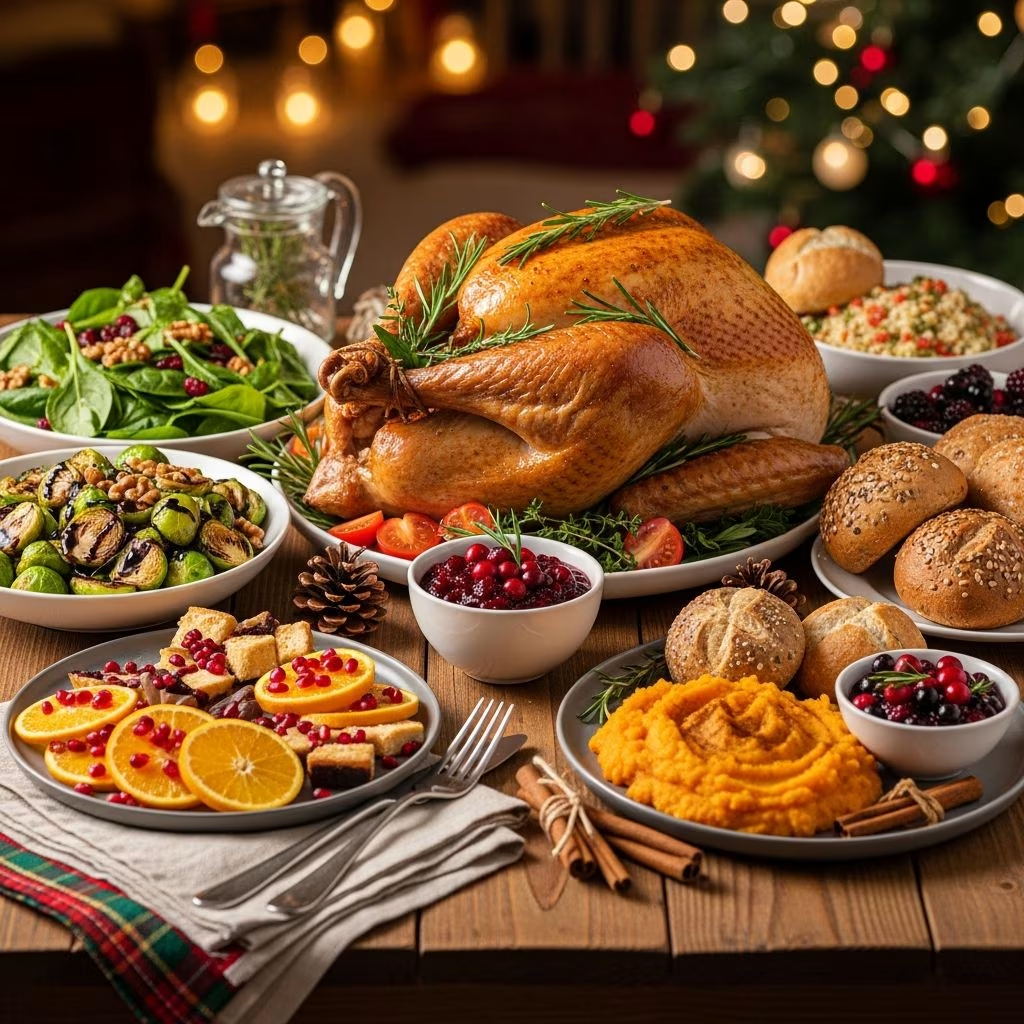
Foods high in fibre and protein, with low-glycaemic-index carbohydrates like fruit, vegetables, whole grains, and pulses, help manage type 2 diabetes during Christmas. While festive treats often pack sugar, refined carbs, saturated fats, and salt, balanced choices allow enjoyment without derailing blood sugar control.
Registered dietitian Azmina Govindji from the Diabetes Research and Wellness Foundation emphasizes realistic goals over deprivation. The National Institute for Health and Care Excellence (NICE) recommends fibre-rich, protein-packed diets to stabilize blood sugar, cholesterol, and blood pressure, lowering risks of related conditions.
Christmas Food to Avoid or Limit with Type 2 Diabetes
Starchy and sugary carbs spike blood glucose rapidly, especially refined versions in mince pies, sausage rolls, and breaded items. Limit these to maintain control:
- Mince pies: High in sugar and refined flour.
- Sausage rolls and pigs in blankets: Loaded with saturated fats and carbs.
- Christmas cake and pudding (in excess): Sugary and calorie-dense; opt for small portions.
- Cranberry sauce, mint sauce: Hidden sugars in condiments.
- Roast potatoes (if fried in fat): Choose healthier cooking methods.
Portion control is key—enjoy treats sparingly to avoid overload.
Healthy Christmas Food to Embrace
Traditional festive foods can be nutritious, moderate in calories, and packed with vitamins, minerals, and fibre. Fill half your plate with non-starchy vegetables for bulk without carb spikes.
Govindji highlights these diabetes-friendly options:
- Roast turkey: Lean protein, low-fat; remove skin for less saturated fat.
- Smoked salmon: Omega-3 rich for heart health; moderate due to salt.
- Potatoes: Vitamin C source; roast in spray oil, keep skin for fibre.
- Carrots and Brussels sprouts: Fibre and vitamins; steam or roast lightly.
- Unsalted nuts: Unsaturated fats, vitamin E, fibre.
- Satsumas: Vitamin-packed fruit for natural sweetness.
- Christmas pudding: Iron, fibre, potassium; limit to one small serving.
Stock up on wholemeal options, nuts, seeds, berries, beans, and chickpeas for salads or sides. Aim for five daily vegetable portions easily on Christmas Day.
General Tips for Christmas Day
Strategic eating prevents blood sugar swings amid indulgence.
- Don’t skip meals—regular eating stabilizes glucose; avoid saving room for the big feast.
- Fill plates with vegetables first for satiety.
- Self-serve portions to control carbs, proteins, and fats.
- Be first to order or choose to avoid temptation.
- Opt for smaller starters as mains if appetite is low.
- Prioritize protein: lean meats, fish, eggs, beans.
Post-meal activity like a walk aids digestion and glucose control.
Healthy Swaps and Christmas Recipes
Adapt classics for lower sugar, fat, and salt while retaining flavor.
| Traditional | Healthier Swap | Benefits |
|---|---|---|
| Heavy cream with dessert | Natural yoghurt | Lower fat, added protein. |
| Butter-roasted potatoes | Spray oil roast, skin on | Reduced saturated fat, more fibre. |
| Suet Christmas pudding | Mini puds with banana/apple | Less fat, portion-controlled. |
| Full-sugar sauces | Halve sugar in recipes | Lower carbs. |
Recipe ideas:
- No-added-sugar Christmas pudding: Fruit-based natural sugars; fridge-stores a week.
- Mini Christmas puds: Banana/apple replace suet.
- Nut roast or stuffing: Whole grains, veggies.
- Roasted sprouts with goat cheese/pomegranate: Festive, low-carb.
- Carrot-sweet potato mash: Fibre-rich alternative.
- Healthy gravy: Less salt/fat.
Use unsaturated fats like olive oil; add high-fibre ingredients.
Eating Out at Christmas
Restaurant dining requires planning:
- Review menus ahead.
- Choose protein mains: lean meat, fish, beans.
- Order starter as main if needed.
- Skip dessert if full post-main.
Alcohol and Type 2 Diabetes at Christmas
Alcohol impacts blood sugar; drink mindfully:
- Best choices: Spirits, dry wines, Prosecco—low carbs.
- Mixers: Sugar-free tonic.
- Rules: Never on empty stomach; water before bed; breakfast next day; monitor for hypos up to 24 hours.
- Alternate with water to pace intake.
Risk of delayed hypos increases with carbs/alcohol combo.
Pre-Christmas Nibbles and Snacks
Offer low-carb options before meals:
- Nuts, cheese, veggie sticks with guacamole, popcorn, hummus on whole grain crackers.
- Fruit salad, cherries, air-popped popcorn.
These won’t spike glucose pre-feast.
Frequently Asked Questions (FAQs)
Can I eat Christmas pudding with type 2 diabetes?
Yes, in small portions—it’s fibre-rich but high in sugars/fats.
Is roast turkey safe for diabetes?
Absolutely: lean, protein-packed; skip skin.
How to handle alcohol at Christmas?
Stick to low-carb options, eat first, hydrate, monitor levels.
What desserts work for diabetics?
Mini puds, fruit-based recipes with less sugar/fat.
Should I skip breakfast on Christmas?
No—regular meals prevent lows and highs.
Final Thoughts on Festive Diabetes Management
Christmas with type 2 diabetes means balance: savor treats moderately, prioritize veggies/protein, watch portions, and stay active. Short-term indulgences won’t harm if you resume routine soon—be kind to yourself. Consult your healthcare team for personalized advice.
References
- What to eat at Christmas if you have type 2 diabetes — Patient.info. 2023. https://patient.info/features/diabetes/what-to-eat-at-christmas-if-you-have-type-2-diabetes
- Christmas and diabetes — Diabetes UK. 2024. https://www.diabetes.org.uk/living-with-diabetes/eating/christmas-food-and-diabetes
- Christmas FAQs for support people — Diabetes Victoria. 2024. https://www.diabetesvic.org.au/christmas-faqs-for-support-people/
- Looking after your diabetes during the festive season — Know Diabetes. 2024. https://www.knowdiabetes.org.uk/blog/look-after-your-diabetes-during-the-festive-season/
- Christmas Diabetes Brochure — Diabetes Ireland. 2014. https://www.diabetes.ie/wp-content/uploads/2014/11/Christmas-Diabetes-Brochure-FINAL.pdf