
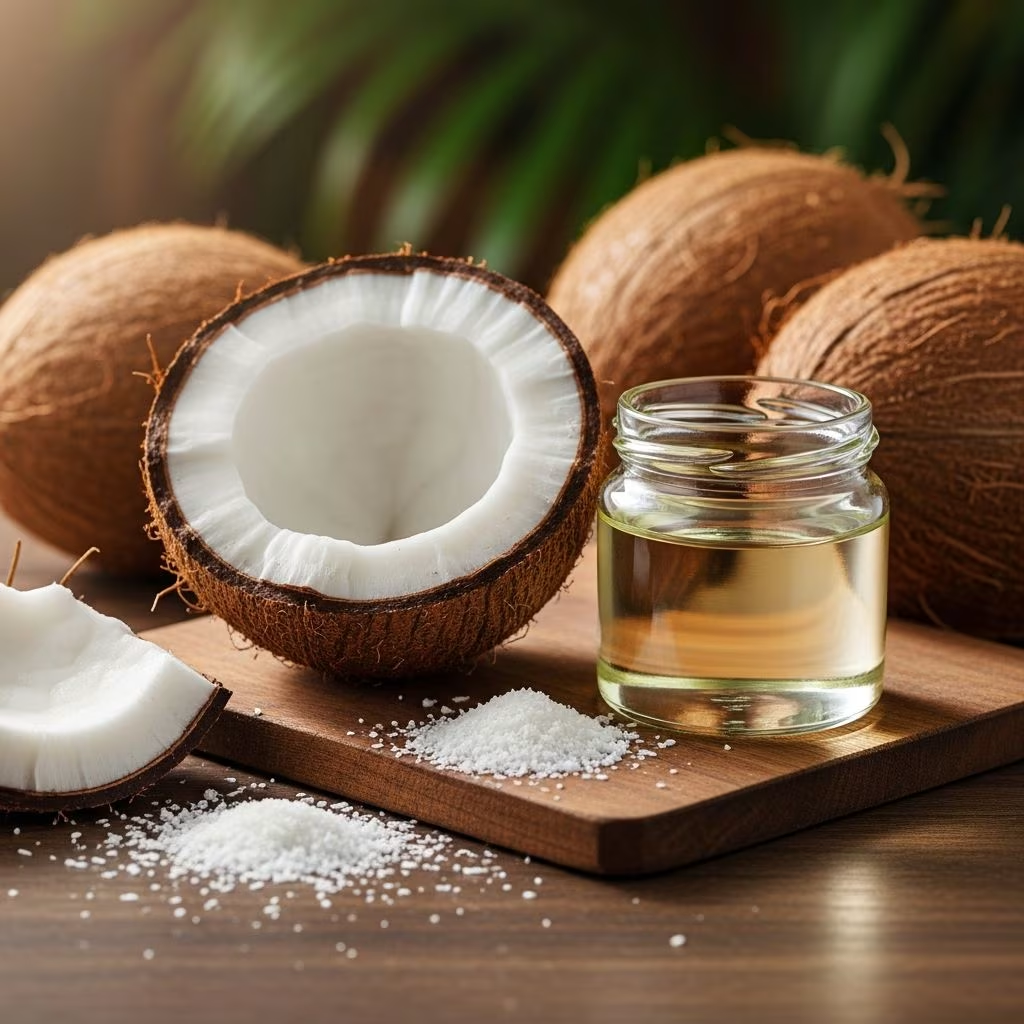
Coconut oil has surged in popularity as a versatile ingredient touted for numerous health benefits, from weight management to skin care. However, its high saturated fat content raises concerns about cardiovascular health. This article examines the nutritional profile, evidence-based benefits, potential risks, and practical recommendations for incorporating coconut oil into a balanced diet.
What Is Coconut Oil?
Coconut oil is extracted from the kernel of mature coconuts, resulting in a solid fat at room temperature that melts easily. It is primarily composed of saturated fats, about 90%, distinguishing it from most vegetable oils rich in unsaturated fats. Unlike animal-based saturated fats, coconut oil contains a significant portion of medium-chain triglycerides (MCTs), particularly lauric acid, which comprises over 50% of its fatty acids.
These MCTs are unique because they are metabolized differently: absorbed directly into the bloodstream from the small intestine and rapidly converted into energy by the liver, bypassing the slower lymphatic transport required for long-chain triglycerides (LCTs) found in other fats. This property has fueled claims of metabolic advantages, though evidence remains mixed.
Nutritional Profile of Coconut Oil
One tablespoon (about 14g) of coconut oil provides approximately 120 calories, all from fat, with no carbohydrates, protein, cholesterol, or fiber. Its fatty acid breakdown includes:
- Saturated fats: 11-12g (86-92%), mainly lauric acid (C12:0, ~50%), myristic acid (C14:0), and palmitic acid (C16:0).
- Monounsaturated fats: ~0.7g (6%).
- Polyunsaturated fats: ~0.2g (2%).
- Trace nutrients: Small amounts of plant sterols, tocopherols, tocotrienols, and polyphenols acting as antioxidants.
This composition makes coconut oil stable for high-heat cooking, resisting oxidation better than many polyunsaturated oils. However, its dominance of saturated fats aligns it more closely with butter than olive oil in dietary terms.
| Nutrient (per 1 tbsp/14g) | Amount | % Daily Value* |
|---|---|---|
| Calories | 120 | 6% |
| Total Fat | 14g | 18% |
| Saturated Fat | 12g | 60% |
| Monounsaturated Fat | 0.8g | – |
| Polyunsaturated Fat | 0.2g | – |
*Based on a 2,000-calorie diet. Data synthesized from multiple sources.
Potential Health Benefits
Medium-Chain Triglycerides (MCTs) and Energy
The MCTs in coconut oil, especially lauric acid, provide a quick energy source. Unlike LCTs, MCTs are rapidly hydrolyzed and transported to the liver for ketone production or immediate use, mimicking carbohydrate metabolism. This has made coconut oil popular in ketogenic diets and sports nutrition.
A 2023 study showed MCT supplementation during calorie-restricted ketogenic diets reduced body weight, BMI, and waist circumference, suggesting fat-burning potential, though pure MCT oil may be more effective than coconut oil, which is only 65% MCTs.
Antimicrobial and Anti-Inflammatory Properties
Lauric acid converts to monolaurin in the body, exhibiting antibacterial, antiviral, and antifungal effects against pathogens like Staphylococcus aureus and Candida albicans. These properties support topical and oral uses.
Skin and Hair Health
Topically, coconut oil moisturizes skin, reduces symptoms of atopic dermatitis, eczema, and psoriasis due to its emollient effects and anti-inflammatory compounds. It penetrates hair shafts, protecting against protein loss and damage from grooming.
Oral Health (Oil Pulling)
Swishing coconut oil reduces plaque, gingivitis, and bacterial load via lauric acid’s soap-like reaction with saliva. Studies indicate it may rival chlorhexidine mouthwash, though it doesn’t replace professional dental care.
Other Claims: Weight Loss, Brain Health, Antioxidants
Some evidence links MCTs to reduced hunger and slight weight loss, but results are inconsistent. Antioxidants like polyphenols offer anti-inflammatory benefits, potentially aiding diabetes management. Limited data suggest roles in Alzheimer’s symptom reduction via ketones, but more research is needed.
Heart Health Concerns
Despite benefits, coconut oil’s high saturated fat content raises LDL (“bad”) cholesterol. A meta-analysis of 16 trials found coconut oil increased total cholesterol by 15 mg/dL, LDL by 10 mg/dL, and HDL by 4 mg/dL compared to nontropical oils like olive or canola.
While lauric acid boosts HDL (“good”) cholesterol, the net effect may elevate heart disease risk. The American Heart Association advises limiting saturated fats to 5-6% of calories, placing coconut oil in moderation alongside butter, not as a health food replacement for unsaturated oils.
Long-term studies are scarce; short-term trials show mixed lipid profiles, with some HDL benefits offset by LDL rises.
Coconut Oil vs. Other Fats
| Oil Type | Saturated Fat (%) | MCT Content | Best Use | Heart Health Impact |
|---|---|---|---|---|
| Coconut Oil | 90% | High (65%) | High-heat cooking, topical | Increases LDL & HDL |
| Olive Oil | 14% | Low | Salad dressings, sautéing | Lowers LDL |
| Canola Oil | 7% | Low | Baking, frying | Neutral/positive |
| Butter | 63% | Low | Baking | Increases LDL |
Coconut oil excels in stability but lags in unsaturated fat benefits for heart health.
Practical Tips for Use
- Use sparingly: Limit to 1-2 tablespoons daily within total fat allowances.
- Choose virgin coconut oil for antioxidants; refined for neutral flavor.
- Cooking: Ideal for stir-frying, baking due to high smoke point (350°F).
- Alternatives: Prioritize olive, avocado, or nut oils for daily use.
- Topical: Safe for skin/hair; patch test for allergies.
Consult a registered dietitian for personalized advice, especially with heart disease or high cholesterol.
Frequently Asked Questions (FAQs)
Is coconut oil good for weight loss?
MCTs may boost metabolism and satiety, but evidence is limited and mixed. It shouldn’t replace calorie control or exercise.
Does coconut oil raise cholesterol?
Yes, it increases both LDL and HDL, but the LDL rise concerns experts for heart health.
Is coconut oil better than olive oil?
No, olive oil’s monounsaturated fats better support heart health; coconut oil suits specific uses.
Can I use coconut oil for oil pulling?
Yes, it may reduce plaque and bacteria, but brush and floss regularly.
Is virgin coconut oil healthier?
It retains more antioxidants and flavor, but both types are high in saturated fat.
Conclusion: Moderation Is Key
Coconut oil offers unique MCT-driven benefits for energy, skin, and oral health, but its saturated fat profile necessitates caution. Use it as part of a varied diet rich in unsaturated fats, fruits, vegetables, and whole grains for optimal health.
References
- Effects of Coconut Oil on Your Health — Healthline. 2024-03-13. https://www.healthline.com/nutrition/top-10-evidence-based-health-benefits-of-coconut-oil
- Top 5 health benefits of coconut oil — BBC Good Food. N/A. https://www.bbcgoodfood.com/health/nutrition/health-benefits-coconut-oil
- Coconut Oil: Nutrition Information, Health Benefits and Risks — WebMD. N/A. https://www.webmd.com/diet/features/coconut-oil-and-health
- Coconut Oil — Harvard T.H. Chan School of Public Health Nutrition Source. N/A. https://nutritionsource.hsph.harvard.edu/food-features/coconut-oil/
- Ask a Dietitian: Is coconut oil good for me? — Brigham and Women’s Faulkner Hospital. N/A. https://www.brighamandwomensfaulkner.org/programs-and-services/nutrition/articles/coconut-oil
- Coconut oil and palm oil’s role in nutrition, health and national development — NIH/PMC. 2016-09-08. https://pmc.ncbi.nlm.nih.gov/articles/PMC5044790/