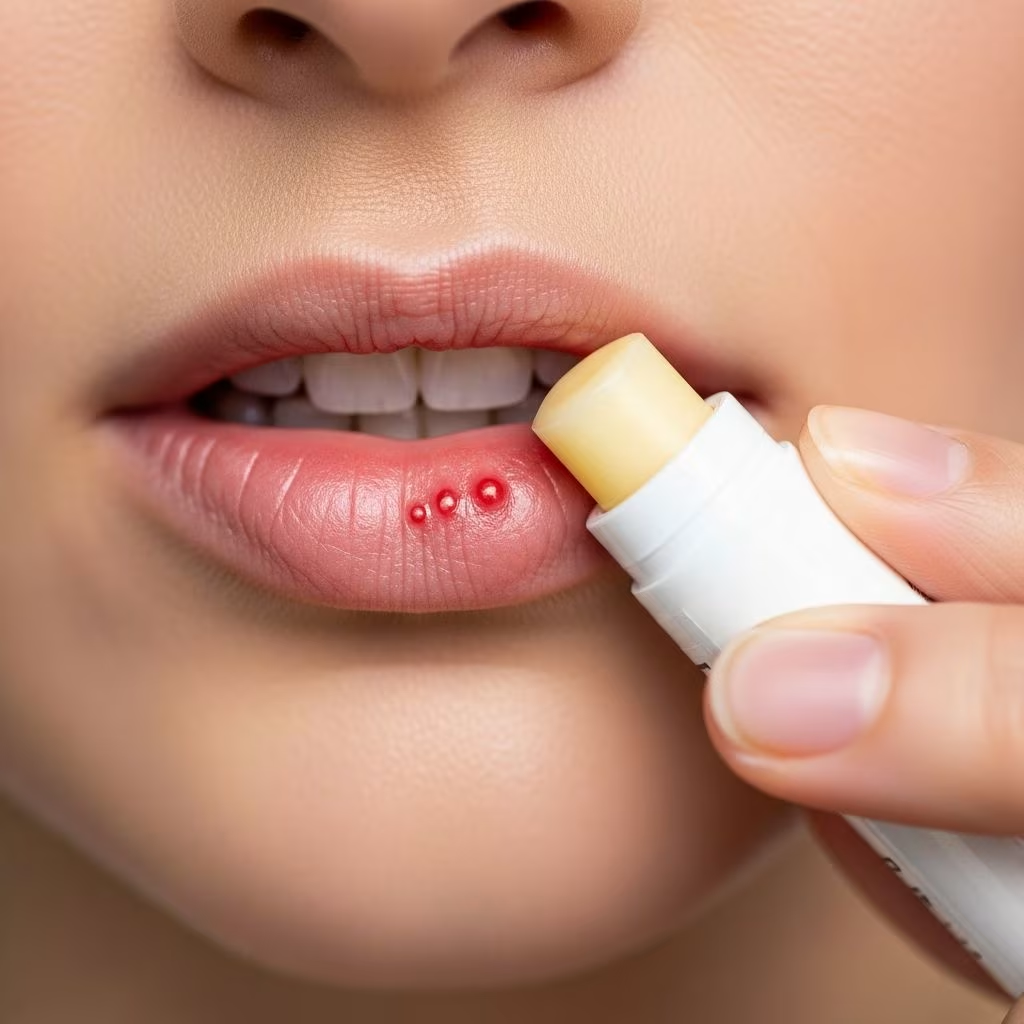
Cold sores, also known as fever blisters, are painful, fluid-filled blisters typically appearing on or around the lips, caused by the herpes simplex virus type 1 (HSV-1). While there is no cure for the virus, which remains dormant in nerve cells and can reactivate due to triggers like stress, sunlight, or illness, various treatments can shorten outbreak duration, ease symptoms, and reduce frequency.
What Are Cold Sores?
Cold sores progress through distinct stages: a tingling or burning sensation (prodrome phase), followed by a red bump, blister formation with clear fluid that turns cloudy, bursting to form a painful ulcer, crusting over with a scab, and eventual healing within 7-14 days without scarring in most cases. Most people contract HSV-1 in childhood via non-sexual contact, and about 50-80% of adults carry the virus asymptomatically.
Symptoms of Cold Sores
Key symptoms include:
- Itching, tingling, or burning before blisters appear
- Painful blisters or sores on the lips, mouth, or nose
- Redness, swelling, and soreness
- Crusting or scabbing as healing begins
- Less commonly, fever, headache, or swollen lymph nodes during initial infection
Symptoms usually last 7-10 days but can be more severe or widespread in immunocompromised individuals.
Cold Sore Stages
Understanding stages helps with timely intervention:
- Prodrome (Day 1): Tingling or itching signals impending outbreak.
- Blister Formation (Days 1-2): Small, fluid-filled blisters emerge.
- Ulcer (Days 2-4): Blisters break, forming open sores.
- Crusting (Days 4-8): Yellow scab forms.
- Healing (Days 8-14): Scab falls off, skin regenerates.
Treatment is most effective if started in the prodrome phase.
Causes of Cold Sores
HSV-1, spread through saliva or skin contact (kissing, sharing utensils), causes cold sores. Triggers for reactivation include:
- Stress or fatigue
- Sun exposure or wind
- Illness or fever
- Menstrual periods
- Weakened immune system (e.g., HIV, chemotherapy)
- Lip injury or dental work
Once infected, the virus hides in facial nerve ganglia, emerging periodically.
When to See a Doctor
Seek medical attention if:
- Sores last over 2 weeks or are unusually severe
- Outbreaks near the eyes (risk of corneal damage)
- Spread to other areas like fingers or genitals
- Frequent recurrences (6+ per year)
- Signs of bacterial infection (pus, fever, increased redness)
- You have a weakened immune system
Doctors may prescribe oral antivirals or test for complications.
OTC Cold Sore Treatments
Over-the-counter options provide quick relief:
- Antiviral Creams: Docosanol (Abreva), acyclovir (Zovirax cream), penciclovir (Denavir) – shorten healing by 1 day if applied early (every 2-3 hours for 4-5 days).
- Pain Relievers: Benzocaine gels (Zilactin), ibuprofen for pain and inflammation.
- Protective Patches: Hydrocolloid patches shield sores, promote moist healing.
- Zinc Oxide or Lemon Balm: Soothe and may reduce duration.
Abreva is FDA-approved and works by blocking viral entry into cells.
Prescription Cold Sore Treatments
For severe or frequent cases:
| Medication | Type | Dosage Example | Benefits |
|---|---|---|---|
| Acyclovir (Zovirax) | Oral/Cream | 400mg 5x/day for 5 days | Shortens outbreak by 1 day |
| Valacyclovir (Valtrex) | Oral | 2g twice/day for 1 day | Convenient short course |
| Famciclovir (Famvir) | Oral | 1500mg single dose | Rapid absorption |
| Penciclovir | Cream | Every 2 hours awake for 4 days | Topical relief |
Oral antivirals are more effective systemically, especially for immunocompromised patients, reducing duration by about 1 day and preventing spread. Daily suppressive therapy (e.g., valacyclovir 500mg/day) cuts recurrences by 70-80% for frequent sufferers.
Home Remedies for Cold Sores
Natural options with some evidence:
- Lysine Supplements: 1,000-3,000mg/day may inhibit HSV replication (limited strong evidence).
- Kanuka Honey or Manuka Honey: Antiviral properties; apply directly.
- Lemon Balm or Peppermint Oil: In balms, reduce symptoms.
- Licorice Root Gel: Glycyrrhizic acid fights virus.
- Cold Compress/Ice: Reduces swelling and pain.
- Aloe Vera or Vanilla Extract: Soothing and drying effects.
- Vitamin C: Antioxidant support for healing.
Always patch-test topicals. Homeopathy (e.g., rhus toxicodendron) lacks robust evidence; consult professionals.
Prevention Tips for Cold Sores
Minimize outbreaks and spread:
- Avoid triggers: Use SPF 15+ lip balm, manage stress.
- Hygiene: Don’t touch sores; wash hands frequently; use cotton swabs for creams.
- Replace toothbrush post-outbreak.
- Avoid sharing items during active sores.
- Suppressive antivirals for frequent cases.
- Soft, cool foods; stay hydrated.
Vaccines are in development but not available yet.
Cold Sores vs. Canker Sores
| Aspect | Cold Sores | Canker Sores |
|---|---|---|
| Cause | HSV-1 virus (contagious) | Non-infectious (stress, injury) |
| Location | Outside mouth (lips) | Inside mouth |
| Appearance | Clusters of blisters | Single round ulcers |
| Treatment | Antivirals | Pain relief, avoidance |
Cold sores are viral and transmissible; canker sores are not.
Frequently Asked Questions (FAQs)
Are cold sores contagious?
Yes, highly contagious via direct contact, especially when blisters are oozing. Avoid kissing or sharing items.
Can cold sores be cured?
No cure exists, but treatments shorten episodes and antivirals prevent recurrences.
How long do cold sores last?
Typically 7-14 days untreated; 4-10 days with treatment.
Do ice or heat help cold sores?
Ice reduces pain and swelling; avoid heat which may worsen.
Can children get cold sores?
Yes, often from family; child-safe OTC doses available.
Complications of Cold Sores
Rare but serious: Eye infections (herpetic keratitis), bacterial superinfections, dissemination in immunocompromised. Early antiviral treatment prevents most.
References
- Cold sores — Better Health Channel, Victoria Government. 2023. https://www.betterhealth.vic.gov.au/health/conditionsandtreatments/cold-sores
- Cold sores: Home remedies and other treatments — Medical News Today. 2023-10-12. https://www.medicalnewstoday.com/articles/311864
- Overview: Cold sores — InformedHealth.org, NCBI Bookshelf. 2023. https://www.ncbi.nlm.nih.gov/books/NBK525782/
- How to manage cold sores — HealthCert Education. 2024. https://www.healthcert.com/blog/how-to-manage-cold-sores