Constipation affects millions, causing discomfort, bloating, and irregular bowel movements. Fortunately, simple dietary adjustments can promote regularity and ease symptoms effectively. By focusing on dietary fiber, hydration, and mindful eating habits, you can support healthy digestion without relying on laxatives. This guide outlines proven strategies from registered dietitians to help you achieve smoother bowel movements.
Choose a Variety of Foods with Dietary Fiber
Dietary fiber is essential for digestive health, acting like a natural broom to sweep waste through your intestines. Soluble fiber absorbs water to soften stool, while insoluble fiber adds bulk to speed transit time. Together, they help manage cholesterol, blood glucose, and prevent constipation. The recommended intake is 14 grams of fiber per 1,000 calories consumed—about 25 grams daily for women and 38 grams for men, though needs vary by age, activity, and health status.
A low-fiber diet, heavy in refined grains like white bread, white rice, and processed foods, contributes to hard stools and sluggish bowels. To counteract this, incorporate diverse high-fiber foods:
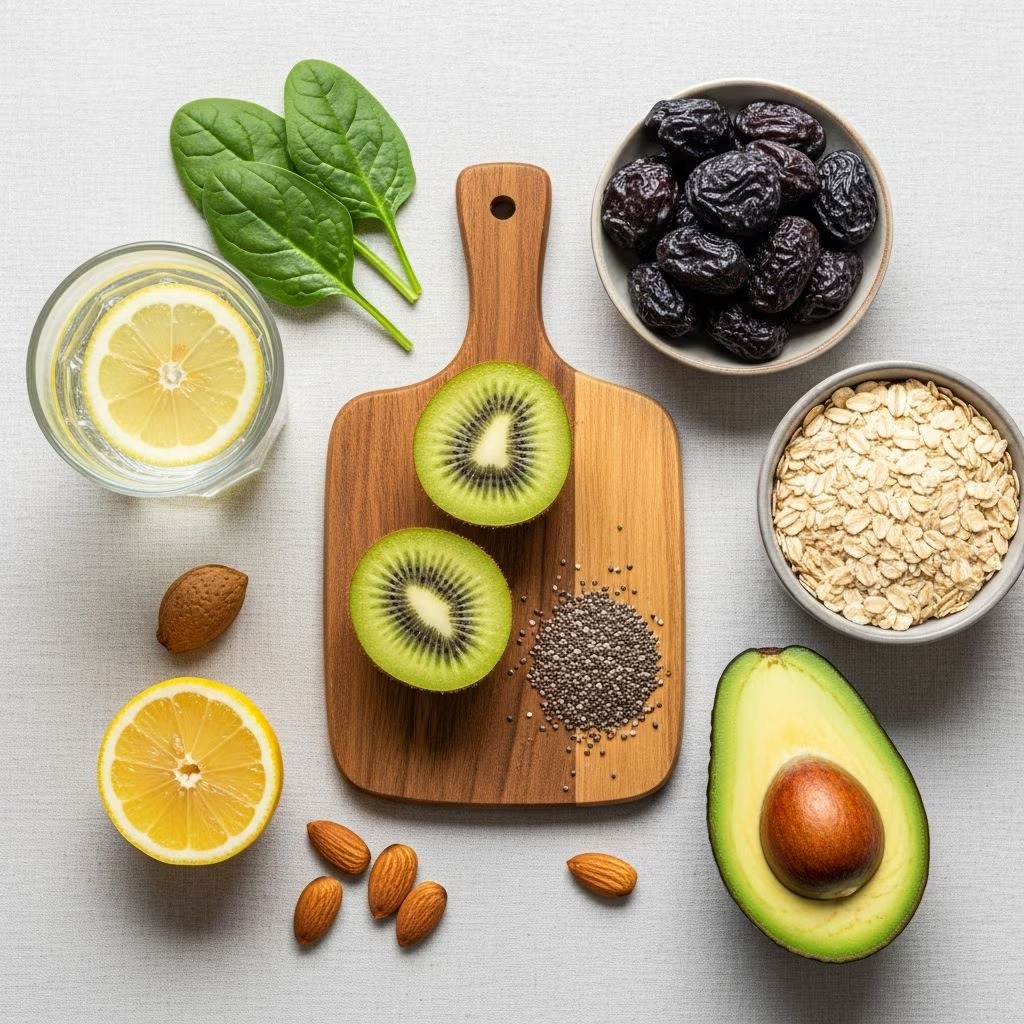
- Fruits: Blueberries, raspberries, strawberries, pears, apples (with skin), prunes (dried or stewed), raisins, peaches, apricots, plums, grapes. These provide sorbitol and water content that naturally laxative effects, especially prune and pear juices for children and adults.
- Vegetables: Green peas, broccoli, sweet potatoes, winter squash, pumpkin, asparagus, corn, cabbage, potatoes (with skin), spinach, lettuce.
- Whole grains: Brown rice, whole-grain bread/rolls/pasta, wheat bran, bran cereals, wild rice, high-fiber cereals.
- Nuts and seeds: Almonds, peanuts, pecans, walnuts, pumpkin/sunflower/flax/chia seeds.
- Legumes: Beans, chickpeas, lentils, navy/kidney beans, soybeans.
Aim for variety to ensure balanced nutrition. For example, start breakfast with oatmeal topped with berries and chia seeds, lunch with a broccoli-packed salad and whole-grain roll, and dinner featuring brown rice with beans. Studies show higher intake of fruits, legumes, and vegetables correlates with lower constipation incidence, as fiber ferments into short-chain fatty acids that accelerate colon transit.
Become a Label Reader
Not all “healthy” products deliver fiber. Reading nutrition labels helps identify truly high-fiber options. Look for foods listing at least 5 grams of fiber per serving and prioritize those with whole grains as the first ingredient. Avoid items high in refined flours, added sugars, or low fiber (under 3 grams per serving), like many processed cereals or snacks.
Check the % Daily Value (%DV) for fiber: 5% or less is low, 20% or more is high. For instance, compare bran flakes (often 7-10g fiber/serving) to sugary cereals (1-2g). Labels also reveal hidden sodium or sugars that can worsen dehydration and constipation. Pro tip: Apps or dietitian guidance can simplify this, ensuring your choices align with daily goals.
| Label Check | High-Fiber Example | Fiber per Serving | Low-Fiber Trap | Fiber per Serving |
|---|---|---|---|---|
| Grains | Whole wheat bread | 3-5g | White bread | 1g |
| Cereal | Bran flakes | 7-10g | Corn flakes | 1g |
| Pasta | Whole grain pasta | 5g | White spaghetti | 2g |
This table highlights quick swaps for better fiber intake.
Increase Your Fiber Intake Slowly
Sudden fiber surges can cause gas, bloating, or cramping as your gut adjusts. If your diet is low-fiber, ramp up gradually over 5-7 days, adding no more than 5 grams per day until reaching targets. Day 1: Add an apple (4g). Day 2: Swap white rice for brown (3g extra). Monitor symptoms and adjust.
Water-insoluble fibers like wheat bran excel for bulking stool, while soluble ones like psyllium have mixed results—combine both for best outcomes. Pair with activity to enhance effects. This slow approach minimizes discomfort and sustains long-term adherence.
Pair High Fiber Foods with Fluids
Fiber without fluids is like a sponge without water—it absorbs moisture from your stool, worsening constipation. Aim for 8-10 cups (2-2.5L) of fluids daily, mostly water, adjusting for age, gender, activity, and climate. Unsweetened beverages, herbal teas, and prune juice (rich in sorbitol) soften stool effectively. Start days with warm liquids to stimulate bowels.
High-water foods like fruits/veggies double as hydrators. Insufficient fluids with high fiber heightens blockage risk—hydration ensures fiber’s osmotic effects work.
Don’t Ignore the Urge to Go
Holding bowel urges weakens intestinal muscles, leading to chronic issues. Respond promptly to maintain natural rhythm. Create routines: post-meal bathroom time leverages gastrocolic reflex.
Being Active Is Important
Physical activity stimulates peristalsis, the wave-like contractions moving stool. Aim for 30 minutes daily of walking, yoga, or light exercise. Sedentary lifestyles slow transit—movement pairs perfectly with diet.
Avoid Laxatives and Enemas
Overuse damages bowel dependency. Prioritize diet/lifestyle; consult providers for persistent cases.
Frequently Asked Questions (FAQs)
What causes constipation?
Low fiber, dehydration, inactivity, ignoring urges, or medications.
How much water for constipation relief?
8-10 cups daily, more if active.
Best fruits for constipation?
Prunes, pears, apples, berries—high in fiber/sorbitol.
Can kids follow these tips?
Yes, with age-appropriate portions; juices help young ones.
When to see a doctor?
If no relief in days, blood in stool, or pain.
Implement these tips for sustained relief. Consult a registered dietitian for personalized plans, especially with conditions like kidney disease.
References
- Nutrition Tips for Relieving Constipation — Academy of Nutrition and Dietetics. 2023. https://www.eatright.org/health/health-conditions/digestive-and-gastrointestinal/nutrition-tips-for-relieving-constipation
- What to Eat When Constipated — Canadian Digestive Health Foundation. 2023. https://cdhf.ca/en/what-to-eat-when-constipated/
- Constipation – self-care — MedlinePlus (U.S. National Library of Medicine). 2024-01-15. https://medlineplus.gov/ency/patientinstructions/000120.htm
- Tips for Preventing Constipation — Academy of Nutrition and Dietetics. 2023. https://www.eatright.org/health/health-conditions/digestive-and-gastrointestinal/tips-for-preventing-constipation
- Diets for Constipation — National Center for Biotechnology Information (PMC). 2014-12-30. https://pmc.ncbi.nlm.nih.gov/articles/PMC4291444/
- Tips for Preventing Constipation — DaVita Kidney Care. 2023. https://davita.com/diet-nutrition/kidney-diet-tips/tips-for-preventing-constipation/