
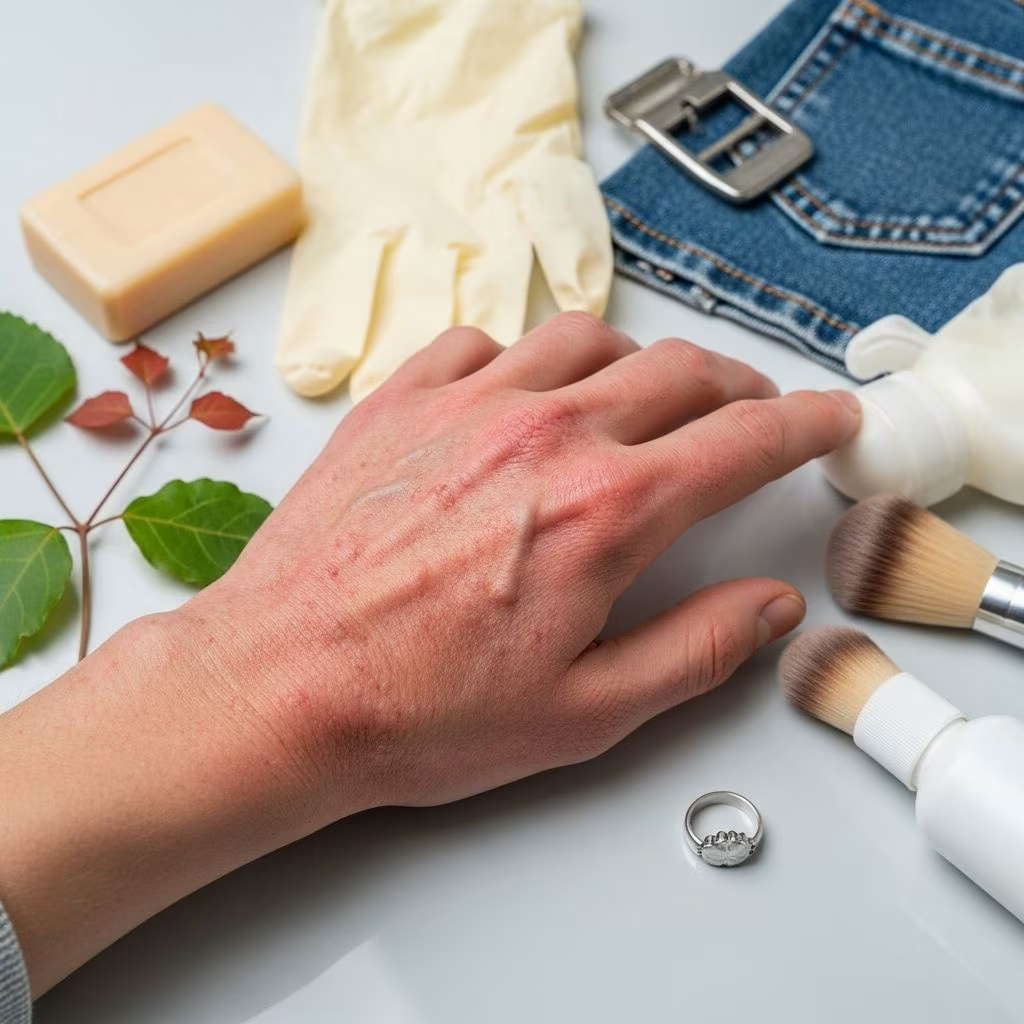
Contact dermatitis manifests as an inflammatory skin reaction triggered by direct exposure to harmful substances, leading to red, itchy, and sometimes blistered rashes. This condition affects millions annually, disrupting daily life through discomfort and visible irritation. Understanding its origins is crucial for effective management.
Defining the Two Core Types of Contact Dermatitis
Contact dermatitis splits into two distinct categories: irritant and allergic, each with unique mechanisms and onset patterns. Irritant contact dermatitis arises from non-immune damage to the skin’s barrier by harsh chemicals or substances. Allergic contact dermatitis, conversely, involves a delayed immune response where the body sensitizes to specific allergens upon repeated exposure.
- Irritant Type: Damages skin directly, often immediately; common in hands from frequent washing or chemical handling.
- Allergic Type: Requires prior sensitization; symptoms emerge 24-48 hours post-exposure, mimicking other allergies but localized to contact sites.
These differences guide diagnosis and treatment, with irritant cases typically resolving faster upon removal of the offender.
Prevalent Irritants in Daily Environments
Irritants strip away the skin’s natural oils, causing dryness, cracking, and burning sensations. They represent about 80% of contact dermatitis cases due to their ubiquity in homes and workplaces.
| Common Irritant | Sources | Skin Impact |
|---|---|---|
| Soaps and Detergents | Handwashing, laundry | Dryness, fissuring |
| Cleaning Agents | Household cleaners, disinfectants | Burning, redness |
| Acids and Solvents | Batteries, paints, nail products | Immediate stinging |
| Body Fluids | Sweat, urine, saliva | Prolonged moisture damage |
Hands bear the brunt, showing less defined rash borders compared to allergic variants.
Allergens Sparking Immune Responses
Allergic contact dermatitis stems from T-cell mediated hypersensitivity, where haptens bind to skin proteins, provoking inflammation. Over 3,700 allergens exist, but a handful dominate clinical reports.
- Metals: Nickel tops lists at 14.3% of cases, found in jewelry, belts, and phone casings.
- Fragrances and Preservatives: In cosmetics and lotions, affecting 14% of patients.
- Plants: Poison ivy/oak (urushiol) sensitizes 70% of exposed individuals, causing linear vesicles.
- Topical Meds: Neomycin in ointments (11.6%).
Symptoms prioritize intense itching over pain, with sharp rash edges outlining exposure patterns.
Occupational and Lifestyle Exposure Risks
Certain professions amplify risk: healthcare workers face gloves and antiseptics; hairdressers encounter dyes; construction handles resins. At home, hobbies like gardening or DIY projects introduce plant saps and adhesives.
Children and elderly are vulnerable due to thinner skin. Wet work—prolonged water exposure—exacerbates issues, as seen in food handlers.
Spotting Symptoms: From Mild Tingling to Severe Blisters
Initial signs include redness and itchiness at contact sites. Acute phases bring vesicles, bullae, and swelling; chronic ones lead to thickened, scaly lichenification.
- Burning or stinging dominates irritant reactions.
- Vesicles and oozing mark allergic flares.
- Secondary infection risks crusting if scratched.
Rashes aren’t contagious but mimic infections, urging medical consultation.
Diagnostic Approaches for Accurate Identification
History-taking reveals exposure patterns. Patch testing applies suspects under occlusion for 48 hours, read at 48-96 hours to detect allergies. Differentiate via clinical features: irritant rashes lack distinct borders.
Essential Prevention Tactics
Avoidance reigns supreme. Key strategies include:
- Patch-test new products.
- Wear protective gloves for wet/chemical tasks.
- Opt for fragrance-free, hypoallergenic items.
- Maintain skin barrier with daily moisturizers.
Journaling exposures pinpoints triggers effectively.
Home Remedies for Quick Symptom Relief
Immediate actions soothe without meds:
- Cool compresses (15-30 mins, several times daily) reduce inflammation.
- Gentle cleansing with lukewarm water, fragrance-free soap.
- Oatmeal baths or calamine lotion calm itch.
- Trim nails, cover rashes to prevent scratching.
Medical Interventions and Therapies
For persistent cases:
| Treatment | Use Case | Notes |
|---|---|---|
| Topical Corticosteroids (e.g., clobetasol 0.05%, triamcinolone 0.1%) | Acute localized rashes | Mid-high potency; lower for face/genitals |
| Barrier Creams | Prevention | Block further irritants |
| Oral Steroids/Antihistamines | Severe/widespread | Sedating types aid sleep |
| Antibiotics | Infected rashes | If pus or fever present |
Emollients restore moisture post-flare.
Complications and Long-Term Outlook
Untreated, chronic dermatitis causes hyperpigmentation, scarring, or occupational disability. Early intervention yields full recovery; recurrent exposure risks sensitization expansion.
Frequently Asked Questions (FAQs)
Is contact dermatitis contagious?
No, it’s a local reaction, not infectious.
How long do rashes last?
1-3 weeks with avoidance and treatment; longer if exposed.
Can diet influence it?
Rarely, but oral allergies (e.g., metals) may cross-react.
When to see a doctor?
If rash spreads, infects, or persists beyond 2 weeks.
Are natural products safe?
Not always; essential oils often sensitize.
Building a Skin-Safe Routine
Incorporate hypoallergenic products, regular moisturizing, and glove use. Educate on reading labels for common allergens like Balsam of Peru (10.4% cases). Consult dermatologists for personalized patch tests.
This comprehensive approach empowers proactive skin health, minimizing flare disruptions.
References
- Understanding Contact Dermatitis: Causes and Treatment — mwent.net. 2023. https://mwent.net/understanding-contact-dermatitis-causes-and-treatment/
- Contact Dermatitis Treatments — Northwestern Medicine (nm.org). 2024. https://www.nm.org/conditions-and-care-areas/dermatology/contact-dermatitis/treatments
- Diagnosis and Management of Contact Dermatitis — American Academy of Family Physicians (aafp.org). 2010-08-01. https://www.aafp.org/pubs/afp/issues/2010/0801/p249.html (Authoritative clinical review, remains relevant for core management principles).
- Contact Dermatitis – Treatment — National Health Service (nhs.uk). 2024. https://www.nhs.uk/conditions/contact-dermatitis/treatment/
- Contact Dermatitis: Symptoms, Causes, Types & Treatments — Cleveland Clinic (my.clevelandclinic.org). 2024. https://my.clevelandclinic.org/health/diseases/6173-contact-dermatitis
- Contact Dermatitis – Symptoms and Causes — Mayo Clinic (mayoclinic.org). 2024. https://www.mayoclinic.org/diseases-conditions/contact-dermatitis/symptoms-causes/syc-20352742