
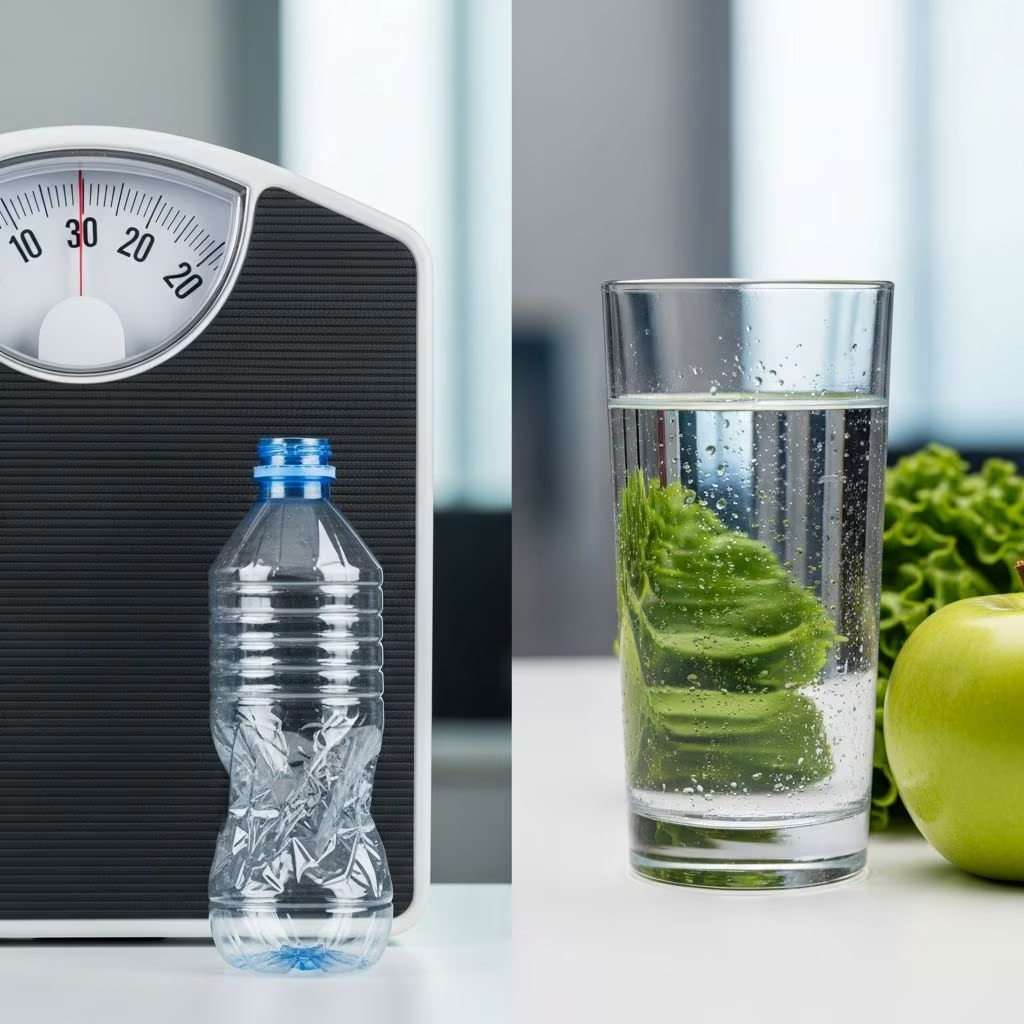
Dehydration does not directly cause fat gain but can contribute to temporary water weight gain through fluid retention, increased appetite, and reduced metabolism, potentially hindering weight loss efforts.
Maintaining proper hydration is essential since the human body is about 60% water, lost daily through breathing, sweating, urination, and other functions. When fluid loss exceeds intake, dehydration occurs, triggering mechanisms like hormone release that prompt the body to retain water as a protective response. This can make scales show higher numbers, confusing it with true fat accumulation. Studies link chronic mild dehydration to higher body weight via reduced lipolysis (fat breakdown) and increased feeding.
How Dehydration Leads to Water Retention
The body retains water during dehydration to preserve vital functions, causing noticeable scale increases. Paradoxically, insufficient water intake signals kidneys to hold onto fluids, exacerbating bloating and weight fluctuations.
- Hormonal Response: Dehydration elevates angiotensin II (AngII), linked to extracellular thirst and fluid conservation, contributing to retention.
- Glycogen Storage: Low hydration impairs glycogen breakdown; each gram of stored glycogen binds 3-4 grams of water, leading to puffiness.
- Sodium Imbalance: Dehydration concentrates sodium, prompting aldosterone release to reabsorb it with water.
A Houston Methodist review notes dehydration causes compensatory fluid retention, mimicking weight gain but resolving with rehydration.
Dehydration’s Impact on Appetite and Eating Habits
Thirst signals often mimic hunger, leading dehydrated individuals to overeat. Drinking water first can suppress appetite effectively.
Research shows increasing water intake reduces caloric consumption; one study found two cups before meals boosted metabolism by 30% and promoted fat loss. Rodent studies confirm higher hydration decreases feeding via AngII modulation. A survey of nearly 10,000 US adults linked concentrated urine (dehydration marker) to obesity risk.
Dehydration, Metabolism, and Fat Storage
Dehydration slows metabolism, impairing calorie burn and fat release. Hydrated fat cells function better, resisting insulin and mobilizing lipids efficiently.
A PMC study hypothesizes increased hydration expands cell volume, enhancing lipolysis and energy expenditure. Drinking 500ml water can temporarily boost metabolic rate by up to 30%, aiding weight management. Chronic hypohydration correlates with obesity via AngII elevation, affecting rodents and humans similarly.
| Factor | Hydrated State | Dehydrated State |
|---|---|---|
| Metabolism | Increased by 30% with water | Slowed, less fat burn |
| Appetite | Suppressed | Increased (thirst mistaken for hunger) |
| Fat Cells | Effective fat release | Insulin resistant |
| Weight Effect | Loss via lipolysis | Retention and gain risk |
Signs You’re Dehydrated (And It Might Be Affecting Your Weight)
- Dark Urine: Concentrated urine indicates dehydration, linked to weight struggles in large studies.
- Fatigue: Low energy from dehydration reduces exercise motivation and performance.
- Headaches/Dizziness: Common early signs impairing daily activity.
- Constipation/Bloating: Slowed digestion causes discomfort and scale spikes.
- Sudden Weight Fluctuations: Unexplained gains often from retention, not fat.
Even 1-2% body weight loss in fluids (1.5-3 lbs for 150 lb person) impacts cognition and performance.
Water Weight vs. Fat Gain: Key Differences
Water weight fluctuates daily from diet, hormones, or dehydration; fat gain is gradual from calorie surplus.
- Water Weight: Temporary (days), feels bloated, drops quickly with hydration changes.
- Fat Gain: Persistent, from excess calories, requires deficit to lose.
Dehydration exacerbates water weight via retention, but chronic cases promote fat via metabolic/appetite effects.
How Much Water Do You Really Need?
Needs vary: 11.5 cups (2.7L) women, 15.5 cups (3.7L) men daily, including food sources. Adjust for activity, climate.
- Exercise: Drink 16-20 oz 2 hours before, 7-10 oz every 10-20 min during.
- Hot Weather: Increase by 1.5-2x.
- Weight Loss Tip: 16 oz upon waking, before meals.
Pregnant/breastfeeding need more; caffeine/alcohol count against intake.
Practical Tips to Stay Hydrated for Weight Loss
- Start Day with Water: 16-20 oz glass boosts metabolism 24% for 90 min.
- Pre-Meal Hydration: 2 cups reduces intake by 75-90 calories/meal.
- Infuse Flavor: Lemon/cucumber for appeal.
- Set Reminders: Apps track intake.
- Eat Water-Rich Foods: Cucumbers (96%), strawberries (91%).
- Monitor Urine: Aim pale yellow.
Studies show hypocaloric diets with extra water enhance loss.
Common Hydration Myths Debunked
- Myth: 8×8 Rule is Mandatory. It’s a guideline; personalize.
- Myth: Thirst is Enough Signal. By thirst, you’re already dehydrated.
- Myth: All Fluids Hydrate Equally. Sugary/coffee less effective.
- Myth: Dehydration Only in Heat. Possible anytime.
Frequently Asked Questions (FAQs)
Does dehydration directly cause fat gain?
No, but indirectly via appetite increase, metabolic slowdown, and poor exercise recovery, promoting calorie surplus and fat storage.
Can drinking more water help me lose weight?
Yes, studies show it reduces feeding, boosts lipolysis, and increases metabolism, aiding 2-5 lbs loss over months.
How quickly does water weight go away?
Often within 1-3 days of proper hydration and balanced diet, unlike fat.
What’s the best way to check if I’m dehydrated?
Urine color (pale ideal), thirst, dry mouth, fatigue. Urine concentration predicts weight issues better than intake logs.
Does dehydration affect exercise and muscle gain?
Yes, it causes cramps, fatigue, reduced performance; even 2% loss impairs strength/endurance.
Are there health risks beyond weight from dehydration?
Yes, kidney stones, UTIs, cognitive decline, chronic disease risk via AngII.
References
- Can Dehydration Cause Weight Gain? — Brita PRO. 2023. https://britapro.com/blog/can-dehydration-cause-weight-gain/
- Increased Hydration Can Be Associated with Weight Loss — PMC (Front Nutr). 2016-06-10. https://pmc.ncbi.nlm.nih.gov/articles/PMC4901052/
- Water and Weight Loss — South Sound Preventive Medicine. 2023. https://www.soundprevention.com/blog/water-and-weight-loss
- The Hydration Equation: Update on Water Balance and Cognitive Performance — PMC. 2014. https://pmc.ncbi.nlm.nih.gov/articles/PMC4207053/
- What Is Water Weight and Should You Be Trying to Lose It? — Houston Methodist. 2025-07. https://www.houstonmethodist.org/blog/articles/2025/jul/what-is-water-weight-and-should-you-be-trying-to-lose-it/
- Signs You are not Drinking Sufficient Water — Rutgers NJAES. 2023. https://njaes.rutgers.edu/sshw/message/message.php?p=Health&m=395