
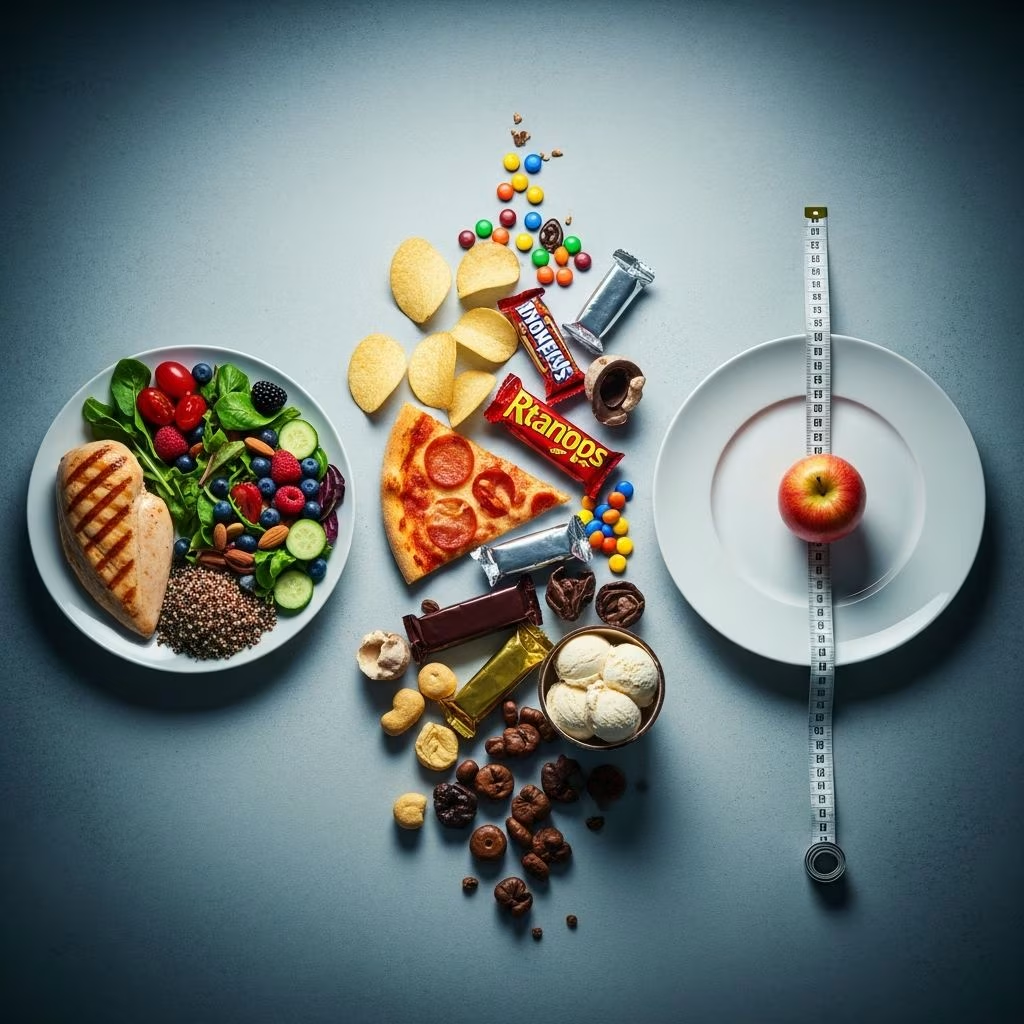
Eating disorders are serious mental health conditions characterized by severe disturbances in eating behaviors, thoughts about food, and related emotions, often leading to significant physical, psychological, and social impairments.
What are the different types of eating disorders?
Eating disorders are classified using two primary systems: the World Health Organization’s ICD-11 and the American Psychiatric Association’s DSM-5. ICD-11 categorizes them into anorexia nervosa, bulimia nervosa, binge-eating disorder, avoidant/restrictive food intake disorder (ARFID), rumination-regurgitation disorder, and pica. DSM-5 uses the broader ‘Feeding and Eating Disorders’ category, including anorexia nervosa, bulimia nervosa, binge eating disorder, other specified feeding or eating disorder (OSFED), ARFID, rumination disorder, pica, and unspecified feeding or eating disorder.
These classifications help clinicians diagnose and treat conditions that affect people of all ages, genders, and backgrounds, though they are more common in adolescents and young adults.
Anorexia nervosa
Anorexia nervosa, often simply called anorexia, involves intense restriction of food intake leading to significantly low body weight, alongside an intense fear of gaining weight or becoming fat, even when underweight. Individuals often have a distorted body image.
There are two subtypes: the restricting type, where weight loss occurs primarily through dieting, fasting, or excessive exercise; and the binge-eating/purging type, which includes intermittent binge eating and purging behaviors like self-induced vomiting or laxative use.
Symptoms may include obsession with food, excessive exercise, denial of low weight severity, and physical signs like thinning hair, dry skin, and amenorrhea in females. It carries the highest mortality rate among mental disorders due to starvation, suicide, or medical complications.
Bulimia nervosa
Bulimia nervosa, or bulimia, features recurrent episodes of binge eating followed by compensatory behaviors to prevent weight gain, such as self-induced vomiting, misuse of laxatives, diuretics, or excessive exercise. Binge episodes involve eating large amounts in a short time with a sense of lack of control.
People with bulimia are often of normal weight or overweight, distinguishing it from anorexia. Emotional distress is profound, with risks including electrolyte imbalances, dental erosion from vomiting, gastrointestinal issues, and heart problems.
Diagnosis requires binge-purge cycles at least once weekly for three months.
Binge eating disorder
Binge eating disorder (BED) is marked by recurrent binge eating episodes—consuming large quantities of food rapidly until uncomfortably full, often with feelings of disgust, guilt, or distress—without regular compensatory behaviors.
It is the most common eating disorder in the U.S., affecting one-third males, often starting in adolescence. Episodes occur at least once weekly for three months, leading to obesity, emotional suffering, and comorbidities like depression.
- Eating much more rapidly than normal.
- Eating until physically uncomfortable.
- Eating alone due to embarrassment.
- Feeling disgusted, depressed, or guilty afterward.
Other specified feeding or eating disorder (OSFED)
OSFED encompasses disorders causing significant distress but not meeting full criteria for anorexia, bulimia, or BED. These are as serious, with similar psychological underpinnings.
Examples include:
- Atypical anorexia nervosa: All anorexia features except low weight (e.g., higher baseline BMI).
- Atypical bulimia nervosa or subthreshold bulimia: Fewer binge-purge episodes.
- Purging disorder: Purging without binges.
- Night eating syndrome: Excessive eating after supper or at night.
- Subthreshold binge eating disorder.
OSFED was previously EDNOS in DSM-IV.
Rumination disorder
In rumination disorder, individuals repeatedly regurgitate recently ingested food into the mouth, re-chew, re-swallow, or spit it out, without gastrointestinal issues explaining it. It can occur across ages, often starting in infancy.
Unlike purposeful purging, it’s effortless and may lead to weight loss or malnutrition if untreated. It differs from vomiting due to lack of nausea.
Avoidant/restrictive food intake disorder (ARFID)
ARFID involves avoiding or restricting food intake not due to body image concerns, resulting in weight loss, nutrient deficiencies, dependence on supplements/tube feeding, or psychosocial interference.
Causes include sensory sensitivities (texture, taste, smell), traumatic food experiences (choking), or low appetite/interest in eating. Common in children but persists in adults; not linked to weight fears.
Signs: fussiness, cutting food groups (e.g., gluten-free), family meal conflicts.
Pica
Pica is the persistent eating of non-nutritive, non-food substances (e.g., dirt, clay, paper) for at least one month, inappropriate for developmental level. It poses risks like toxicity, infections, or obstructions.
Often co-occurs with autism, intellectual disabilities, or nutritional deficiencies like iron.
Unspecified feeding or eating disorder
This category applies when symptoms cause distress but insufficient information prevents other diagnoses, or behaviors don’t fit specified criteria.
Signs of eating disorders
Common indicators include:
- Rapid weight changes.
- Obsessive food rituals or calorie counting.
- Avoiding meals with others.
- Excessive concern with weight/body shape.
- Mood swings, withdrawal, fatigue.
- Physical: hair loss, cold intolerance, irregular periods, swollen glands.
Frequently Asked Questions (FAQs)
Q: What is the most common eating disorder?
A: Binge eating disorder (BED) is the most prevalent, especially in the U.S.
Q: Can men get eating disorders?
A: Yes, about one-third of BED cases and others affect males.
Q: How is ARFID different from anorexia?
A: ARFID lacks body image distortion or weight fear; it’s driven by sensory or experiential aversions.
Q: What causes eating disorders?
A: Multifactorial: genetics, biology, psychology, society; not just willpower.
Q: Are OSFED disorders less serious?
A: No, they cause equivalent distress and require treatment.
References
- Overview – Eating disorders – NHS — NHS. 2023. https://www.nhs.uk/mental-health/feelings-symptoms-behaviours/behaviours/eating-disorders/overview/
- Types of Eating Disorders – Patient.info — Patient.info. 2023. https://patient.info/mental-health/eating-disorders/types-of-eating-disorder
- What are Eating Disorders? – Psychiatry.org — American Psychiatric Association. 2024-10-01. https://www.psychiatry.org/patients-families/eating-disorders/what-are-eating-disorders
- Eating Disorders – MedlinePlus — U.S. National Library of Medicine. 2024. https://medlineplus.gov/eatingdisorders.html
- Eating Disorders – StatPearls – NCBI Bookshelf — NCBI. 2023-07-17. https://www.ncbi.nlm.nih.gov/books/NBK567717/