
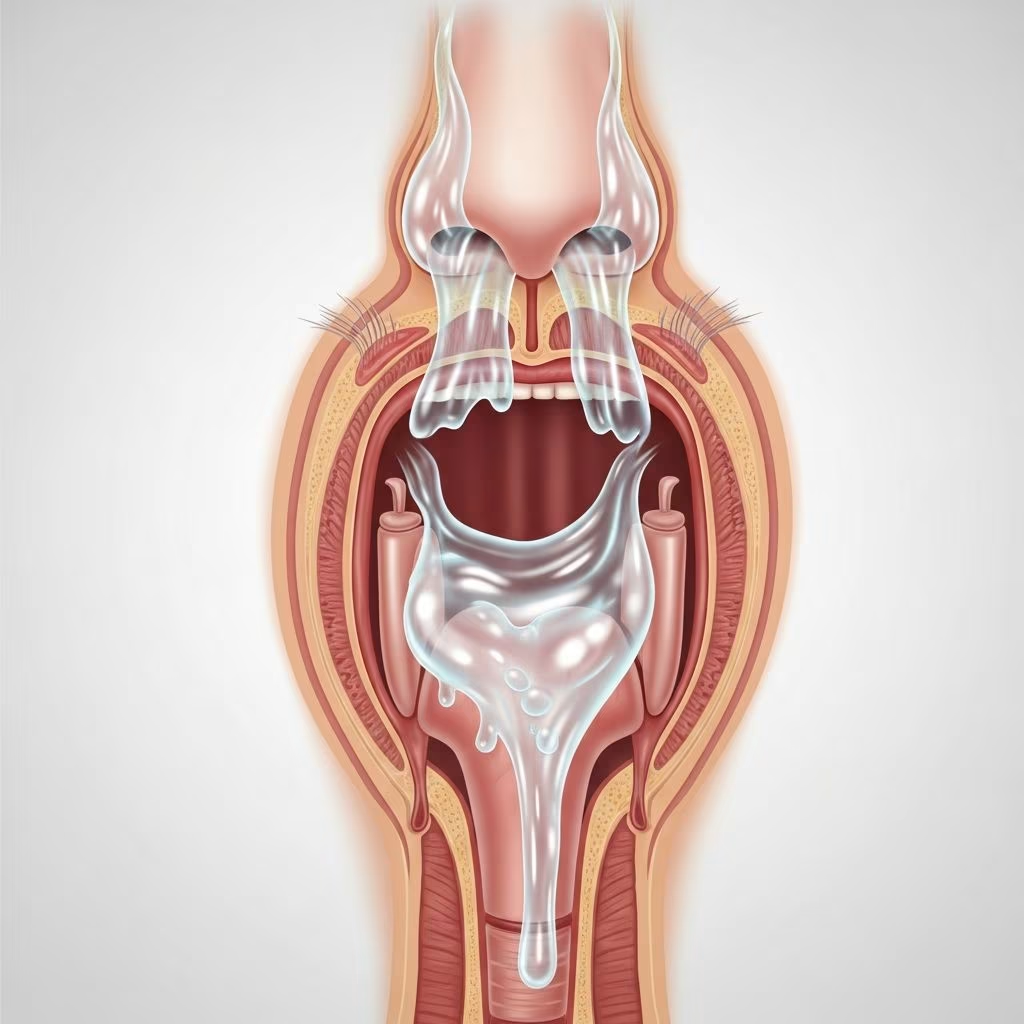
Experiencing constant mucus buildup in your throat, often called postnasal drip or phlegm, can be uncomfortable and disruptive. This sticky substance, produced naturally by your body, traps irritants and pathogens, but overproduction leads to frequent throat clearing, coughing, and irritation. While typically harmless, persistent excess mucus signals underlying issues like allergies, infections, or acid reflux that require targeted management.
What Is Mucus and Why Does Your Body Produce It?
Mucus is a slippery, gel-like fluid made by goblet cells in the lining of your sinuses, nose, throat, and lungs. Composed mostly of water (95%), mucin proteins, salts, and antimicrobial enzymes, it serves essential protective functions:
- Traps invaders: Captures dust, pollen, bacteria, viruses, and other particles inhaled or ingested, preventing them from reaching deeper airways.
- Moistens tissues: Keeps mucous membranes hydrated, reducing friction and aiding cilia (tiny hairs) in moving debris upward.
- Fights infection: Contains antibodies and enzymes that neutralize pathogens before they cause harm.
Normally, you produce 1-2 quarts (about 1-2 liters) of mucus daily, most of which you swallow unconsciously without notice. Cilia propel it from lungs to the throat at a slow rate, where it’s safely ingested and digested in the stomach. Problems arise when production ramps up or clearance fails, causing it to pool in the throat.
Common Causes of Excess Mucus in the Throat
Several triggers irritate mucous membranes, prompting overproduction. These range from temporary irritants to chronic conditions. Here’s a breakdown:
1. Allergies and Environmental Irritants
Allergens like pollen, dust mites, pet dander, or mold provoke an immune response, releasing histamine that inflames nasal passages and boosts mucus output. This leads to postnasal drip, where mucus drips down the throat. Smoke, pollution, dry air, or strong odors exacerbate it by drying and irritating tissues.
2. Infections
Viral upper respiratory infections (colds, flu) or bacterial sinusitis cause inflammation, swelling glands, and thicker mucus loaded with immune cells. Acute cases last 7-10 days, but secondary infections prolong symptoms. COVID-19 and other viruses can also trigger persistent mucus.
3. Acid Reflux (GERD)
Gastroesophageal reflux disease (GERD) allows stomach acid to splash into the esophagus and throat, irritating tissues and stimulating excess mucus as a defense. Nighttime symptoms worsen postnasal drip, mimicking allergies.
4. Weather and Lifestyle Factors
Cold, dry air thickens mucus, making it harder to clear. Dehydration, spicy foods, dairy (in sensitive individuals), smoking, or vaping irritate the throat, increasing production. Pregnancy hormones can also heighten mucus due to elevated estrogen.
5. Chronic Respiratory Conditions
Asthma, chronic bronchitis, COPD, or cystic fibrosis impair mucus clearance, causing it to accumulate in airways and drip into the throat. Neuromuscular disorders weaken cough reflexes, pooling phlegm.
| Cause Category | Examples | Key Symptoms | Duration |
|---|---|---|---|
| Allergies | Pollen, dust, pets | Clear, watery mucus; itchy eyes/throat | Chronic/seasonal |
| Infections | Cold, flu, sinusitis | Thick yellow/green mucus; fever | 1-2 weeks |
| GERD | Acid reflux | Sour taste, heartburn, worse at night | Chronic |
| Lifestyle | Smoking, dry air | Constant irritation, cough | Variable |
| Lung Diseases | Asthma, COPD | Wheezing, shortness of breath | Chronic |
Symptoms of Too Much Mucus in the Throat
Beyond the sensation of lumpiness or dripping, excess mucus causes:
- Frequent throat clearing and coughing
- Hoarseness or sore throat
- Bad breath (halitosis) from bacterial growth
- Ear pressure or sinus pain
- Reduced sense of smell/taste
- In severe cases, choking or breathing difficulty
Mucus color offers clues: clear (allergies/viral), white (dehydration), yellow/green (infection), brown/black (smoking), bloody (rare, needs urgent care).
How to Get Rid of Mucus in Your Throat: Treatments and Remedies
Treatment targets the root cause while easing symptoms. Always consult a doctor for persistent issues.
Home Remedies
- Hydrate: Drink 3-4 liters of water daily to thin mucus for easier expulsion.
- Humidify: Use a humidifier or steam inhalation to moisten airways.
- Saltwater gargle: 1 tsp salt in warm water soothes irritation.
- Elevate head: Sleep with extra pillows to reduce postnasal drip.
- Hock properly: Inhale through nose with mouth closed to draw phlegm forward, then expectorate.
Medications
- Expectorants (e.g., Guaifenesin/Mucinex): Loosen mucus for coughing.
- Decongestants (e.g., Pseudoephedrine): Reduce swelling but avoid long-term use.
- Antihistamines/Nasal Steroids: For allergies.
- PPIs (e.g., Omeprazole): For GERD.
- Mucolytics: Thin stubborn phlegm (prescription).
Lifestyle Changes
Avoid triggers: quit smoking, use air purifiers, manage allergies with avoidance and immunotherapy. For chronic cases, positive expiratory pressure (PEP) devices aid clearance.
When to See a Doctor for Excess Throat Mucus
Seek medical help if:
- Symptoms last >10 days or worsen
- Mucus is bloody, green/yellow/thick
- Accompanied by fever >101°F, wheezing, chest pain, or weight loss
- Interferes with sleep/breathing
- Occurs with swallowing difficulty or voice changes
Doctors may order imaging, allergy tests, or endoscopy to diagnose.
Frequently Asked Questions (FAQs)
What does excess white mucus in throat mean?
White or cloudy mucus often indicates viral infections, allergies, or dehydration. It’s typically not serious but monitor for thickening.
Does mucus in throat mean you are sick?
Not always—normal production is constant. Excess signals irritation, infection, or allergies.
How long does postnasal drip last?
Acute: 1-2 weeks; chronic: months if untreated. Address underlying causes for resolution.
Can stress cause mucus in throat?
Indirectly—stress worsens GERD or allergies, increasing mucus.
Is mucus in throat contagious?
Only if from infection; allergies or reflux are not.
References
- Excess mucus in the throat: Causes and management — Medical News Today. 2023-05-15. https://www.medicalnewstoday.com/articles/overproduction-of-mucus-in-throat
- Marvels of Mucus and Phlegm — NIH News in Health (National Institutes of Health). 2020-08-01. https://newsinhealth.nih.gov/2020/08/marvels-mucus-phlegm
- How to Clear Phlegm From Your Throat — Men’s Health. 2018-01-10. https://www.menshealth.com/health/a19516881/get-rid-of-phlegm/