
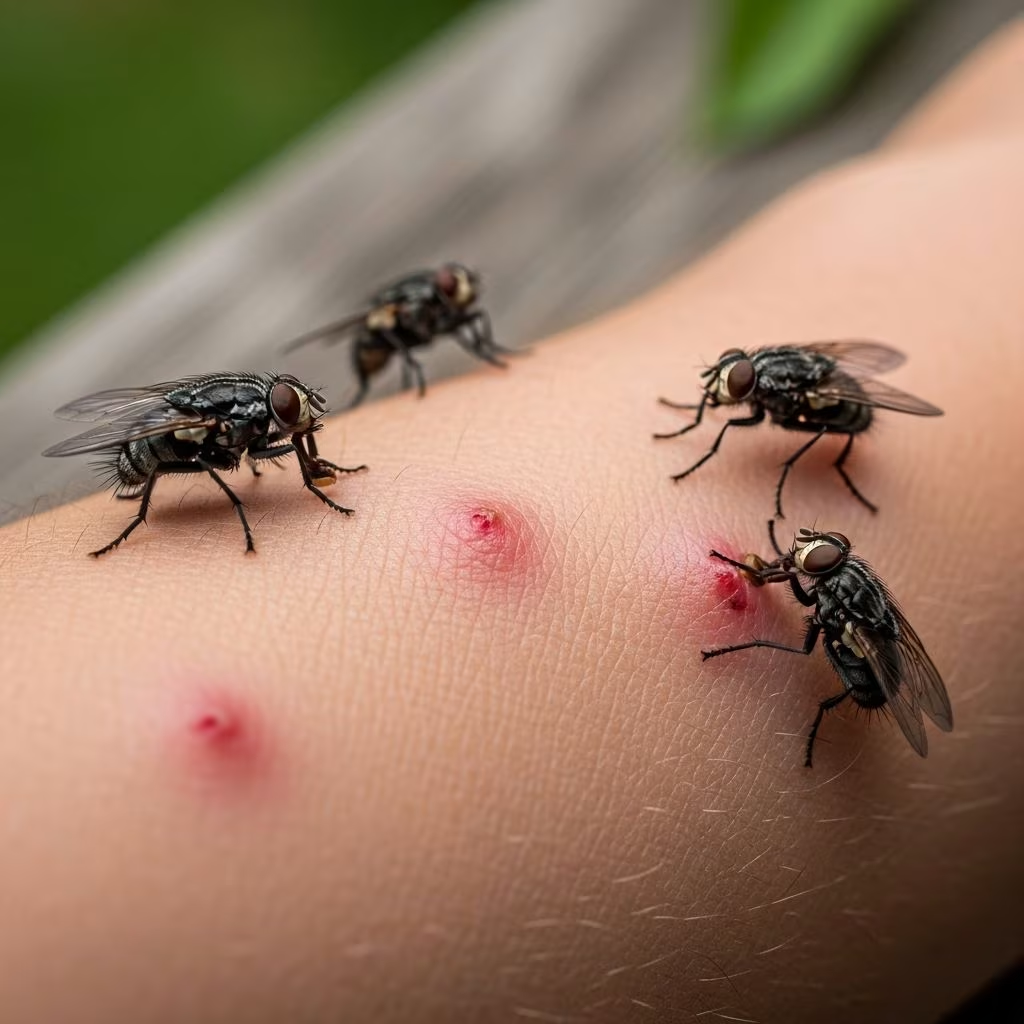
While many flies are harmless, certain species deliver painful bites that cause itching, swelling, and redness. These bites, often from black flies, deer flies, or biting midges, can range from minor annoyances to severe reactions requiring medical attention.
What Are Fly Bites?
Fly bites occur when blood-feeding flies puncture the skin to draw blood. Unlike mosquitoes, which inject saliva causing delayed itching, fly bites often feel immediate pain due to slicing mouthparts. In the U.S., six main types of biting flies pose risks: black flies, deer flies, horse flies, stable flies, sand flies, and biting midges. Most bites are localized irritations, but some flies transmit diseases like tularemia or leishmaniasis.
Globally, over 150,000 fly species exist, with many biting humans and animals. Bites cluster in exposed areas like ankles, arms, and necks, especially near water sources where flies breed.
Symptoms of Fly Bites
Fly bite symptoms typically appear immediately or within hours. Common signs include:
- Redness and swelling: A raised bump or welt forms at the site.
- Itching or pain: Intense itching or sharp pain, depending on the fly type.
- Puncture mark: A small central hole from the fly’s mouthparts.
- Blisters or welts: Larger reactions in sensitive individuals.
Symptoms vary by fly species. Black fly bites near the head cause swollen lymph nodes or ‘black fly fever’ with headache and nausea. Deer fly bites produce painful welts and risk tularemia. Horse flies create large, bloody punctures. Biting midges (‘no-see-ums’) yield tiny, itchy red dots. Stable flies prick like needles on legs and ankles.
Severe allergic reactions (anaphylaxis) are rare but include dizziness, hives, breathing difficulty, or widespread swelling—seek emergency care immediately. Infections may follow scratching, showing pus, fever, or streaking redness.
Types of Biting Flies
Understanding fly types aids identification and risk assessment. Here’s a breakdown:
| Fly Type | Appearance | Bite Characteristics | Diseases Transmitted |
|---|---|---|---|
| Black Flies | Small, dark, humpbacked | Puncture wounds near head/face; swelling up to golf ball size | Black fly fever; onchocerciasis (rare in U.S.) |
| Deer Flies | Medium, golden with patterns | Painful welts; bloody punctures | Tularemia (rabbit fever) |
| Horse Flies | Large, robust | Large, painful gashes; significant bleeding | Tularemia, anthrax (rare) |
| Stable Flies | Resemble house flies, proboscis visible | Needle-like pricks on legs/ankles | Generally none |
| Sand Flies | Tiny, moth-like | Painful bumps/blisters | Leishmaniasis (rare in U.S.) |
| Biting Midges | Microscopic (<1/8 inch) | Small red welts; persistent itch | Filarial worms (outside U.S.) |
Data synthesized from entomological descriptions. Black flies and midges thrive near rivers; deer and horse flies prefer fields.
Treatment for Fly Bites
Most fly bites heal in days with home care. Start by cleaning the area with soap and water to prevent infection.
Home Remedies
- Cold compress: Apply ice wrapped in cloth for 15 minutes to reduce swelling and numb pain.
- OTC creams: Hydrocortisone (1%) or calamine lotion soothes itching.
- Antihistamines: Oral diphenhydramine (Benadryl) or cetirizine relieves systemic itch.
- Anti-inflammatories: Ibuprofen or acetaminophen for pain and swelling.
- Natural options: Aloe vera gel or oatmeal baths calm irritated skin.
Avoid scratching to prevent secondary infections. For black fly bites, elevate the area and use prescription steroids if swelling persists.
When to See a Doctor
Consult a healthcare provider if:
- Signs of infection: fever, pus, red streaks.
- Allergic symptoms: wheezing, facial swelling.
- Systemic illness: headache, nausea post-bite (possible tularemia).
- Bites don’t improve in 3-5 days or worsen.
Doctors diagnose via bite location, travel history, and symptoms—no routine tests needed unless disease suspected. Antibiotics treat bacterial infections; antitrypanosomals for rare cases like tsetse fly exposure.
Prevention of Fly Bites
Prevention beats treatment. Flies are active dawn/dusk near water, wetlands, or livestock.
- Clothing: Long sleeves, pants, hats—light colors deter flies.
- Repellents: DEET (20-30%), picaridin, or oil of lemon eucalyptus; reapply often (less effective on some flies).
- Environmental: Avoid peak times/locations; use fans outdoors (flies dislike wind).
- Home measures: Screens, eliminate standing water, treat yards with approved insecticides.
For high-risk areas, permethrin-treated clothing adds protection.
Complications and Diseases from Fly Bites
While most U.S. bites are benign, complications include:
- Infections: Bacterial entry via scratching.
- Allergic reactions: Hives or anaphylaxis.
- Diseases: Tularemia (deer/horse flies), leishmaniasis (sand flies, travel-related), Oropouche virus (midges in South America).
Tularemia presents with ulcers, fever; treatable with antibiotics like streptomycin. Leishmaniasis causes chronic sores—rare domestically per CDC. Monitor bites closely.
Fly Bites vs. Other Insect Bites
| Bite Type | Appearance | Pain Level | Itch Duration |
|---|---|---|---|
| Fly Bite | Central puncture, welt | Immediate sharp | Days |
| Mosquito | Smooth bump | Delayed | Hours-days |
| Bee Sting | Stinger may remain | Intense throbbing | Days |
Fly bites often have visible holes distinguishing them.
Frequently Asked Questions (FAQs)
Do all flies bite?
No, only specific blood-feeding species like black flies and horse flies bite humans. House flies do not.
How long do fly bites last?
Typically 3-7 days with treatment; severe reactions longer.
Can fly bites spread diseases in the U.S.?
Yes, deer flies spread tularemia; most bites do not transmit illness domestically.
Are fly bites dangerous for children or elderly?
They can cause exaggerated reactions; monitor closely and treat promptly.
What if a fly bite gets infected?
Signs include pus and fever—see a doctor for antibiotics.
This guide empowers safe enjoyment of outdoors. Persistent issues warrant professional evaluation.
References
- Fly bites: Pictures, types, symptoms, and treatment — Medical News Today. 2023-07-12. https://www.medicalnewstoday.com/articles/326125
- Fly Bites: Symptoms and Treatments — Healthline. 2024-05-15. https://www.healthline.com/health/fly-bites
- Insect-Borne Illness More Common This Summer — University Health. 2023-08-01. https://www.universityhealth.com/blog/insect-borne-illness