
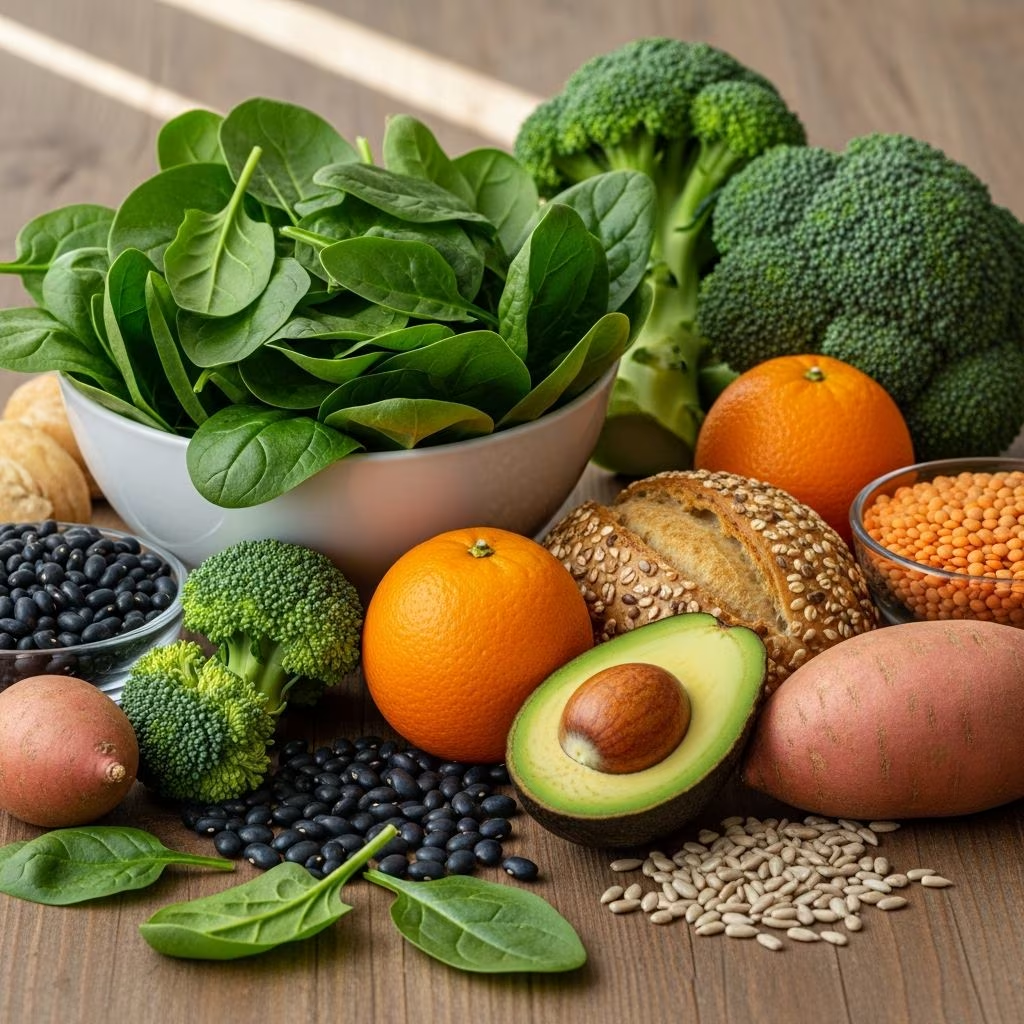
Folate, also known as vitamin B9, is a water-soluble B vitamin essential for DNA synthesis, red blood cell formation, and overall cell growth and function. It plays a critical role in preventing neural tube defects during pregnancy and supporting heart health.
What Is Folate?
Folate is the natural form of vitamin B9 found in foods, while folic acid is the synthetic version added to fortified foods and supplements. The body absorbs folic acid more efficiently than natural folate. Since 1998, the U.S. FDA has mandated folic acid fortification in enriched grain products like breads, cereals, and pastas, reducing neural tube birth defects by 28%.
Adults need 400 mcg DFE (dietary folate equivalents) daily, with pregnant individuals requiring 600 mcg DFE. One mcg DFE equals 1 mcg food folate or 0.6 mcg folic acid from fortified foods/supplements.
Why You Need Folate
Folate supports healthy cell division, prevents anemia, and lowers homocysteine levels to protect cardiovascular health. It’s vital in early pregnancy to avoid birth defects like spina bifida. Deficiency risks include poor diet, malabsorption (e.g., celiac disease), or increased needs during pregnancy/lactation.
Signs of deficiency: fatigue, weakness, pale skin, mouth sores, and elevated homocysteine. Toxicity is rare from food but possible from excess supplements (>1,000 mcg/day).
Foods High in Folate
Incorporate these folate-rich foods into your diet. Values are approximate mcg DFE per serving; check labels for fortified items.
1. Leafy Green Vegetables
Leafy greens top the list for natural folate. One cup cooked spinach provides 131–263 mcg (33% DV), turnip greens 150 mcg, and romaine lettuce 64 mcg per cup shredded. They’re also packed with vitamins A, C, K, and fiber.
- Spinach: 131 mcg per ½ cup boiled
- Romaine lettuce: 64 mcg per cup
- Other: Kale, collards (high in folate too)
2. Legumes
Beans and lentils are folate powerhouses with fiber and protein. Half cup cooked lentils: 180 mcg; chickpeas: 142 mcg per cup; black-eyed peas: ~200 mcg.
- Lentils: 180 mcg per ½ cup cooked
- Chickpeas (garbanzo beans): 142 mcg per cup
- Great Northern beans: 90 mcg per ½ cup
3. Fortified Grains and Cereals
Enriched breads, pasta, rice, and cereals provide 100–400 mcg per serving due to mandatory folic acid addition. Choose low-sugar options with ≥3g fiber.
- Fortified cereal: 100–400 mcg per cup
- Enriched spaghetti: 100 mcg per serving
- Enriched bread: Varies, often 50–100 mcg/slice
4. Cruciferous Vegetables
Broccoli (104 mcg/cup), Brussels sprouts, cauliflower (55 mcg/cup), and asparagus (85 mcg/4 spears) deliver folate plus vitamins C and K.
- Broccoli: 104 mcg per cup
- Asparagus: 85 mcg per 4 spears
- Cauliflower: 55 mcg per cup
5. Fruits
Citrus and tropical fruits offer accessible folate. One orange: 40–50 mcg; mango: 144 mcg; cantaloupe: 25 mcg/¼ melon.
- Orange: 50 mcg each
- Mango: 144 mcg each
- Pomegranate: ~110 mcg each (27% DV)
6. Avocados
One avocado provides ~90 mcg folate, plus healthy fats, vitamin K, and fiber for heart health.
7. Nuts and Seeds
Sunflower seeds (82 mcg/¼ cup), peanuts (88 mcg/¼ cup), flaxseeds (54 mcg/2 tbsp). Raw or sprouted maximize benefits.
8. Other Vegetables
Okra (37 mcg/cup cooked), corn (76 mcg/cup).
9. Animal Products
Beef/chicken liver: 215–254 mcg/3 oz (54% DV); eggs also contribute modestly.
Folate Content Table
| Food | Serving Size | Folate (mcg DFE) | % DV* |
|---|---|---|---|
| Beef liver, braised | 3 oz | 215 | 54% |
| Spinach, boiled | ½ cup | 131 | 33% |
| Lentils, cooked | ½ cup | 180 | 45% |
| Chickpeas, cooked | 1 cup | 142 | 36% |
| Broccoli, cooked | 1 cup | 104 | 26% |
| Asparagus, boiled | 4 spears | 85 | 21% |
| Fortified cereal | 1 cup | 100–400 | 25–100% |
| Avocado | 1 cup | 90 | 23% |
| Orange | 1 medium | 50 | 13% |
| *Based on 400 mcg DFE daily value for adults. Source: Adapted from | |||
How to Get Enough Folate
Aim for a varied diet with greens, legumes, and fortified grains. Pregnant people: 400–800 mcg folic acid daily via supplements/foods. Cooking tip: Folate is heat-sensitive; steam or eat raw when possible.
Frequently Asked Questions (FAQs)
What is the difference between folate and folic acid?
Folate is natural in foods; folic acid is synthetic, better absorbed, and used in fortification/supplements.
How much folate do I need daily?
Adults: 400 mcg DFE; pregnant: 600 mcg; lactating: 500 mcg.
Can I get enough folate from food alone?
Yes, with a balanced diet, but fortification helps meet needs. Supplements recommended for pregnancy.
Who is at risk for folate deficiency?
Pregnant women, those with malabsorption (celiac, IBD), poor diets, or alcohol use.
Is too much folate harmful?
Food sources are safe; excess folic acid (>1,000 mcg) may mask B12 deficiency.
References
- 18 Foods Filled with Folate Every Woman Should Know — UnityPoint Health. 2023-05-15. https://www.unitypoint.org/news-and-articles/18-foods-filled-with-folate-every-woman-should-know
- Folate (Folic Acid) – Vitamin B9 — Harvard T.H. Chan School of Public Health. 2024-01-10. https://nutritionsource.hsph.harvard.edu/folic-acid/
- Folate – Health Professional Fact Sheet — National Institutes of Health, Office of Dietary Supplements. 2024-08-20. https://ods.od.nih.gov/factsheets/Folate-HealthProfessional/
- Folate (folic acid) — Mayo Clinic. 2023-11-05. https://www.mayoclinic.org/drugs-supplements-folate/art-20364625
- Folic Acid: Sources and Recommended Intake — Centers for Disease Control and Prevention. 2024-02-12. https://www.cdc.gov/folic-acid/about/intake-and-sources.html