
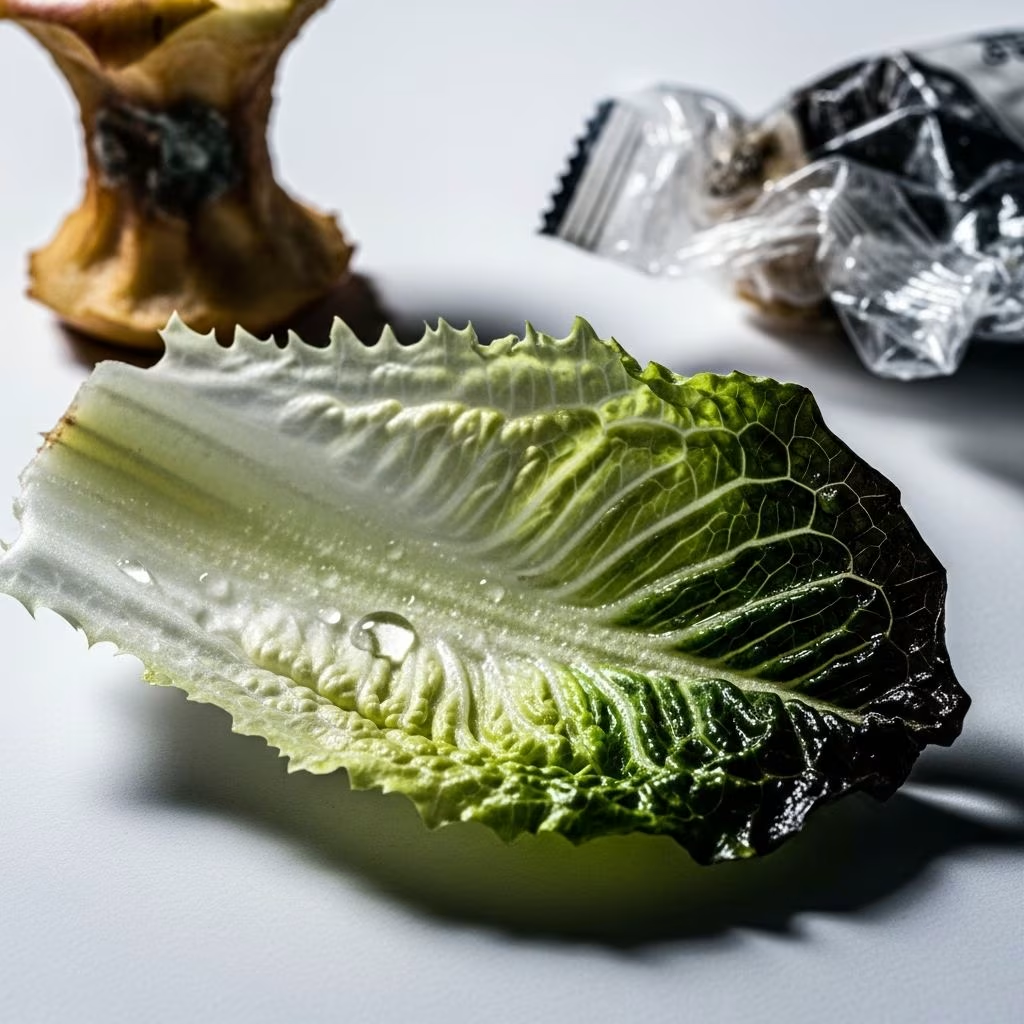
Food poisoning, also known as foodborne illness, occurs when you consume food or water contaminated with harmful bacteria, viruses, parasites, or toxins produced by these germs. It affects millions annually, with most cases resolving in a few days, but severe instances can lead to hospitalization or long-term complications.
What Is Food Poisoning?
Food poisoning arises from ingesting contaminated food or beverages harboring pathogens like bacteria (*Staphylococcus aureus*, *Salmonella*, *E. coli*), viruses (norovirus), parasites, or their toxins. Symptoms typically emerge within hours to days, depending on the contaminant. While often mild, it poses greater risks to vulnerable populations such as infants, older adults, pregnant individuals, and those with weakened immune systems.
Contamination happens during food production, processing, handling, or preparation. Common scenarios include improper cooking, cross-contamination from unclean utensils, or leaving perishable foods at unsafe temperatures. Outbreaks frequently occur at picnics, restaurants, or large gatherings where food sits out.
Symptoms of Food Poisoning
Symptoms vary by the causative germ but commonly include diarrhea, stomach cramps, nausea, vomiting, and fever. Onset can range from 30 minutes to several days post-exposure.
Common symptoms:
- Diarrhea (sometimes bloody)
- Stomach pain or cramps
- Nausea
- Vomiting
- Fever
- Headache
- Chills
- Weakness or fatigue
Severe signs include diarrhea lasting over 3 days, fever above 102°F (38.9°C), frequent vomiting preventing fluid intake, bloody stools, or dehydration indicators like dry mouth, dizziness, or reduced urine output.
Symptoms by Germ Type
Different pathogens produce distinct symptom profiles, timelines, and sources. Here’s a breakdown:
| Germ | Symptoms | Onset | Common Sources |
|---|---|---|---|
| Staphylococcus aureus (Staph) | Nausea, vomiting, stomach cramps, diarrhea | 30 minutes to 8 hours | Sliced meats, puddings, pastries, sandwiches not cooked after handling |
| Norovirus | Watery diarrhea, nausea, stomach cramps, vomiting, fever, chills | Within 24 hours | Raw or undercooked shellfish (oysters), leafy greens, fruits, contaminated water |
| Clostridium perfringens | Diarrhea, stomach cramps (less than 24 hours; vomiting/fever rare) | 6 to 24 hours | Meat, poultry, gravies held at unsafe temperatures |
| Salmonella | Diarrhea (bloody), fever, stomach cramps, vomiting | 6 hours to 6 days | Raw/undercooked poultry, eggs, unpasteurized milk/juice, produce |
| Campylobacter | Diarrhea, vomiting, nausea, stomach pain, fever, headache, body aches | 12 to 48 hours | Contaminated water, infected handlers, shellfish |
| Botulism (Clostridium botulinum) | Difficulty swallowing, muscle weakness, blurred vision, drooping eyelids, slurred speech | 18 to 36 hours | Improperly canned/fermented foods, homemade alcohol |
| Shigella | Diarrhea (bloody), fever, stomach cramps | 2 to 5 days | Contaminated water, pets, raw poultry/milk |
| E. coli | Severe cramps, bloody diarrhea, vomiting; 5-10% develop hemolytic uremic syndrome | 3 to 4 days | Undercooked ground beef, unpasteurized milk/juice, sprouts |
| Cyclospora | Watery diarrhea, loss of appetite, weight loss, cramps, bloating, nausea, fatigue | 1 week | Raw fruits/vegetables/herbs |
| Listeria (invasive) | Fever, flu-like symptoms, headache, stiff neck, confusion, seizures | Varies | Unpasteurized dairy, soft cheeses, deli meats |
This table highlights why identifying the source aids diagnosis.
Causes and Risk Factors
Bacteria dominate causes, thriving in improperly stored or handled food. Viruses like norovirus spread via contaminated surfaces or infected handlers. Parasites enter through untreated water or undercooked meats.
High-risk foods:
- Raw/undercooked meats, poultry, eggs, fish/shellfish
- Unpasteurized milk, juice, cider
- Raw sprouts, unwashedproduce
- Soft cheeses, deli meats not reheated
- Mayonnaise-based salads left out
Risk factors include age (infants, elderly), weakened immunity, pregnancy, recent travel (traveler’s diarrhea), and living in group settings like schools or cruises.
Prevention Tips
Preventing food poisoning involves safe handling practices:
- Clean: Wash hands, surfaces, fruits/vegetables thoroughly.
- Separate: Avoid cross-contamination between raw meats and ready-to-eat foods.
- Cook: Use a food thermometer; cook meats to safe internal temperatures (e.g., 165°F for poultry).
- Chill: Refrigerate perishables below 40°F; don’t leave out over 2 hours (1 hour if hot weather).
- Choose pasteurized products; reheat leftovers thoroughly.
Avoid high-risk foods if immunocompromised. Travelers should drink bottled/boiled water and peel fruits.
Treatment and Recovery
Most cases resolve without antibiotics; focus on hydration. Drink oral rehydration solutions, broths, or clear fluids. Avoid anti-diarrheals unless advised, as they can prolong bacterial infections.
Rest the gut with bland foods (BRAT diet: bananas, rice, applesauce, toast) once vomiting subsides. Probiotics may shorten duration.
Seek medical care for severe dehydration, persistent symptoms, or high-risk individuals. IV fluids or antibiotics may be needed. Recovery typically takes 12-48 hours, but some effects linger weeks.
When to See a Doctor
Consult a healthcare provider if:
- Diarrhea lasts >3 days or worsens
- Fever >102°F
- Frequent vomiting >12-24 hours
- Bloody stools
- Signs of dehydration (dizziness, no tears/urine)
- Neurological symptoms (blurred vision, weakness)
- Recent travel or suspected botulism/mushroom poisoning
Infants, elderly, or pregnant people should seek care sooner.
Complications
Dehydration is primary, potentially requiring hospitalization. Rare issues: hemolytic uremic syndrome (*E. coli*), Guillain-Barré syndrome (*Campylobacter*), or invasive listeriosis affecting fetus/brain. Long-term: reactive arthritis, irritable bowel.
Frequently Asked Questions (FAQs)
What is the fastest food poisoning can start?
Symptoms from Staph can begin in 30 minutes.
Can food poisoning spread person-to-person?
Yes, via norovirus or bacteria on hands/surfaces, especially in close settings.
How long does food poisoning last?
Typically 12-48 hours, but up to a week for some like Cyclospora.
Is food poisoning contagious?
Certain types (norovirus, Shigella) spread through vomit/fecal particles.
What drinks help with food poisoning?
Oral rehydration solutions, electrolyte drinks, clear broths to combat dehydration.
References
- Food Poisoning Symptoms | Food Safety — Centers for Disease Control and Prevention (CDC). 2023. https://www.cdc.gov/food-safety/signs-symptoms/index.html
- Food poisoning — MedlinePlus Medical Encyclopedia. 2023. https://medlineplus.gov/ency/article/001652.htm
- Food poisoning (foodborne illness) – Symptoms and causes — Mayo Clinic. 2025-08-16. https://www.mayoclinic.org/diseases-conditions/food-poisoning/symptoms-causes/syc-20356230
- Food Poisoning: Symptoms, How You Get It & Treatment — Cleveland Clinic. 2023. https://my.clevelandclinic.org/health/diseases/21167-food-poisoning