
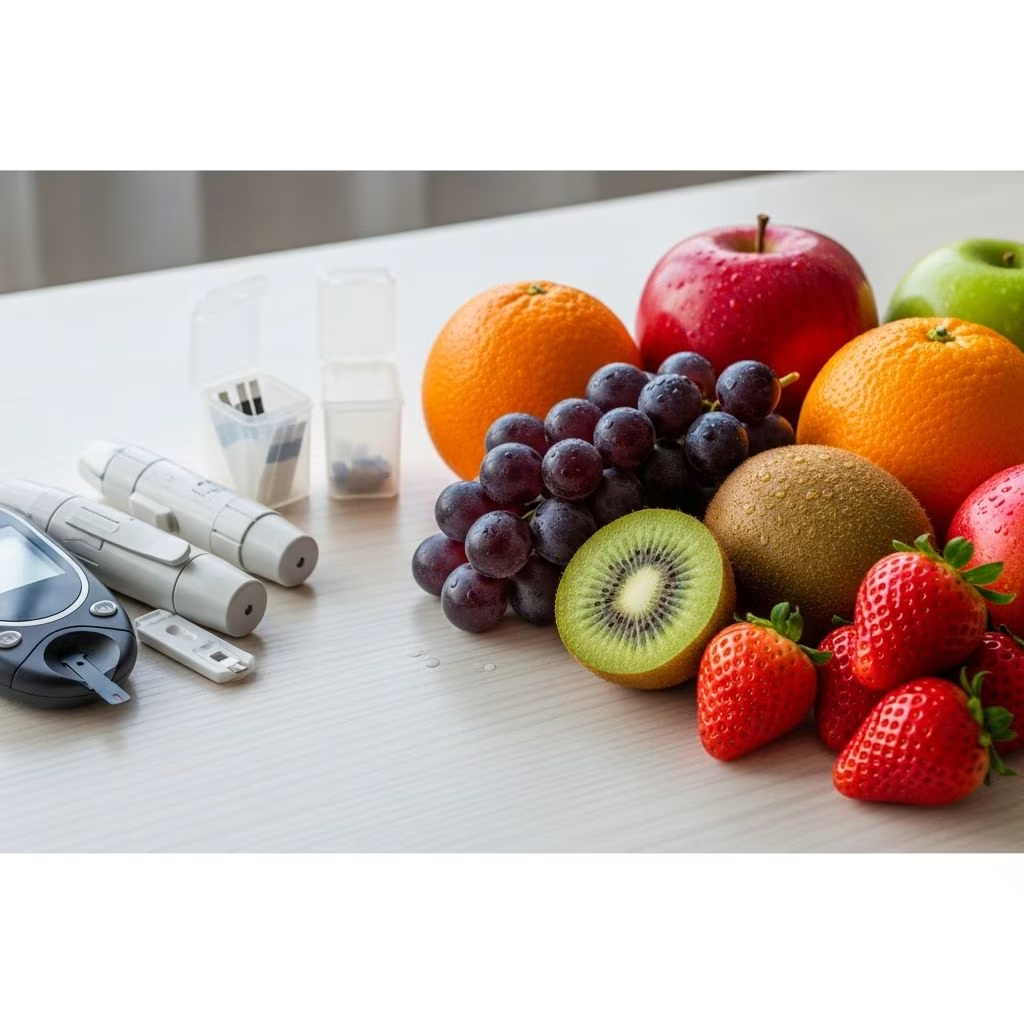
People with diabetes can and should eat fruit as part of a balanced diet. Fresh fruits provide essential vitamins, minerals, fiber, and antioxidants that support overall health and may even help manage blood sugar levels when consumed mindfully. Unlike processed sweets, whole fruits’ fiber slows sugar absorption, preventing sharp blood glucose spikes. However, portion control is crucial since fruits contain natural sugars and carbohydrates.
Why Fruit Is Beneficial for Diabetes
Fruits offer low-calorie, nutrient-dense nutrition ideal for diabetes management. The World Health Organization recommends at least 400g of fruits and vegetables daily to prevent chronic diseases like type 2 diabetes (T2D). Studies show 200g of fresh fruit per day reduces T2D risk by up to 13% and lowers hypertension risk by 7% at optimal intakes.
Fiber in fruits promotes satiety, aids digestion, and stabilizes blood sugar. Antioxidants combat inflammation and oxidative stress, common in diabetes complications. A meta-analysis found fruits like blueberries (25% risk reduction per 3 servings/week), grapes (12%), and apples/pears (7%) significantly lower T2D risk. Even for those with T2D, up to 133g daily fresh fruit decreases complications and mortality risk.
Understanding Fruit’s Impact on Blood Sugar
Fruits contain fructose, a natural sugar metabolized by the liver, but whole forms have a lower glycemic impact than juices due to fiber. Glycemic index (GI) measures how quickly foods raise blood glucose: low-GI fruits (<70) like berries, apples, and citrus are preferable.
Research indicates no need to restrict fruit in T2D patients; increasing low-GI fruits improved HbA1c levels in a 6-month RCT. However, excessive intake beyond 200-300g/day may plateau benefits or slightly increase risk. Fruit juices, especially sweetened, raise T2D risk and should be limited.
Portion Sizes for Fruit with Diabetes
Portion control prevents carb overload. One standard serving equals about 15g carbohydrates. Key examples include:
- A small piece of fruit (tennis ball size): apple, plum, orange, kiwi, peach
- 1 cup berries or chopped melon
- 12-15 cherries or grapes
- 1/2 medium banana
- 1/2 cup (4 oz) 100% fruit juice or no-sugar-added applesauce
- 1 cup blackberries/raspberries, 3/4 cup blueberries, 1-1/4 cups strawberries
- 1 medium orange/nectarine, 1 cup cubed cantaloupe/honeydew
Aim for half a large fruit or 1/2 cup. Pair with proteins or fats for better control. Dried fruit portions are smaller: 30g (1 heaped tbsp raisins).
Best Fruits for People with Diabetes
Prioritize low-GI, high-fiber fruits. Top choices:
| Fruit | Why It’s Great | Serving Example |
|---|---|---|
| Berries (strawberries, blueberries, blackberries, raspberries) | Low GI, high antioxidants; 25% T2D risk reduction for blueberries | 1 cup blackberries, 3/4 cup blueberries |
| Apples & Pears | High fiber (pectin slows sugar release); 7% risk reduction | 1/2 medium |
| Citrus (oranges, grapefruit, satsumas) | Vitamin C, low GI; 5% risk reduction for grapefruit | 1 medium orange |
| Stone Fruits (peaches, plums, apricots) | Moderate GI, hydrating | 1 small peach/plum |
| Melons (cantaloupe, honeydew) | High water, low calorie | 1 cup cubed |
| Unripe Bananas | Resistant starch benefits gut | 1/2 medium |
Common safe fruits: avocado, cherries, kiwi, mango (moderate), papaya, pineapple (small portions), tangerines, watermelon.
Fruits to Limit or Avoid
High-GI or concentrated-sugar fruits can spike blood sugar:
- Ripe bananas (yellow with spots)
- Dried fruits (figs, cranberries, raisins): small 30g portions only
- Pineapple, grapes, kiwis, watermelon: higher sugar density
- Canned in heavy syrup: drain light syrup/juice versions; prefer no-added-sugar
- Fruit juices/smoothies: limit to 1/2 cup unsweetened; whole fruit preferred
Prunes, peaches, apricots, oranges, strawberries showed no significant T2D protection in some studies.
How to Incorporate Fruit into a Diabetes Meal Plan
Integrate fruit strategically:
- Eat with meals alongside protein (nuts, yogurt), fats (avocado), or fiber (whole grains) to blunt glucose rise.
- Use USDA MyPlate: balance with veggies, proteins.
- If on mealtime insulin, bolus for carbs.
- Snack smart: apple with peanut butter, berries in Greek yogurt.
- Track portions: weigh initially for accuracy.
- Monitor blood sugar post-meal to personalize.
Tinned in natural juice: 2 pear/peach halves, 6 apricot halves. Fresh, frozen, or canned without sugar are best.
Frequently Asked Questions (FAQs)
Can fruit cause blood sugar spikes in diabetes?
Whole fruits rarely cause spikes if portioned correctly due to fiber. Juices and dried fruits are riskier.
How much fruit per day for diabetes?
200g fresh fruit daily prevents T2D progression; up to 133g for those with T2D reduces complications.
Are bananas okay for diabetics?
1/2 unripe banana yes; limit ripe ones.
Is dried fruit good for diabetes?
Small portions (30g); higher concentration means easier overeating.
Can I drink fruit juice with diabetes?
Limit to 1/2 cup unsweetened; whole fruit superior.
Do all fruits have the same glycemic impact?
No; berries and citrus low-GI, pineapple/grapes higher.
References
- Should people with diabetes eat fruit? — Diabetes Food Hub. 2023. https://diabetesfoodhub.org/blog/should-people-diabetes-eat-fruit
- Fruit Intake to Prevent and Control Hypertension and Diabetes — PMC (Nutr Res Pract). 2021-02-22. https://pmc.ncbi.nlm.nih.gov/articles/PMC7884895/
- Diabetes diet: Should I avoid sweet fruits? — Mayo Clinic. 2023. https://www.mayoclinic.org/diseases-conditions/diabetes/expert-answers/diabetes/faq-20057835
- The 5 Best Fruits for Diabetics — Dexcom. 2024. https://www.dexcom.com/en-ca/blog/is-fruit-good-for-diabetes
- Can I Eat Fruit If I Have Diabetes? — Intermountain Healthcare. 2023. https://intermountainhealthcare.org/blogs/article/can-i-eat-fruit-if-i-have-diabetes
- Fruit, vegetables and diabetes — Diabetes UK. 2024. https://www.diabetes.org.uk/living-with-diabetes/eating/fruit-and-diabetes
- Best Fruit Choices for Diabetes — American Diabetes Association. 2024. https://diabetes.org/food-nutrition/reading-food-labels/fruit
- Diabetes Meal Planning — CDC. 2024-01-15. https://www.cdc.gov/diabetes/healthy-eating/diabetes-meal-planning.html