
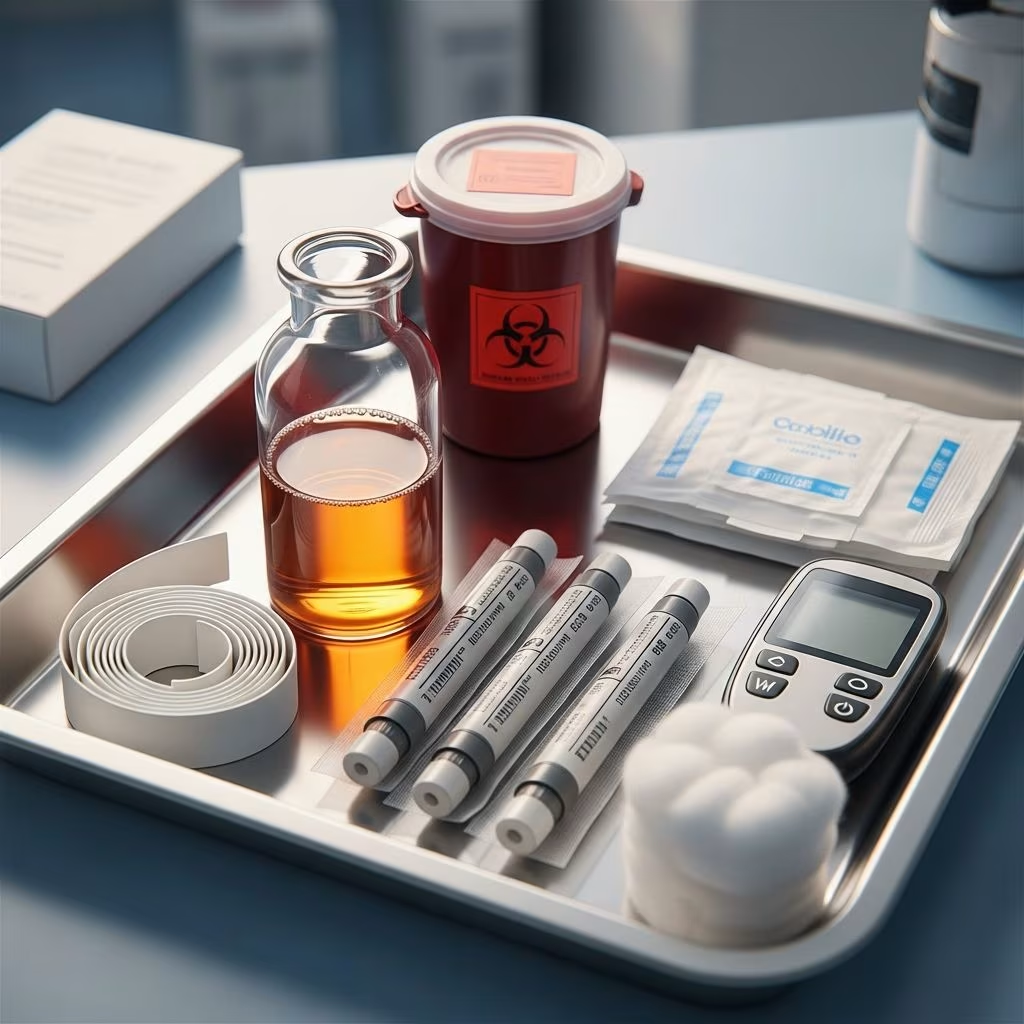
The glucose tolerance test (GTT), also known as the oral glucose tolerance test (OGTT), is a diagnostic procedure used to assess how well your body processes glucose (sugar). It measures blood glucose levels before and after consuming a sugary drink, helping diagnose conditions like diabetes, pre-diabetes (impaired glucose tolerance or non-diabetic hyperglycaemia), and gestational diabetes.
This test is particularly valuable when routine blood tests like fasting glucose or HbA1c are inconclusive. Pre-diabetes occurs when blood glucose levels are higher than normal but not yet at diabetic levels, increasing the risk of progressing to type 2 diabetes (up to 6 in 10 people within 10 years) and cardiovascular disease.
What is the glucose tolerance test used for?
The OGTT evaluates your body’s ability to manage a large glucose load. After fasting, you drink a glucose solution, and blood samples track how levels rise and fall. Key uses include:
- Diagnosing gestational diabetes in pregnant women, typically between 24-28 weeks.
- Confirming pre-diabetes (impaired glucose tolerance, IGT, or impaired fasting glucose, IFG), where 2-hour post-glucose levels are elevated (140-199 mg/dL or 7.8-11.0 mmol/L) but below diabetes thresholds.
- Diagnosing type 2 diabetes when fasting glucose (≥126 mg/dL or 7.0 mmol/L) or 2-hour levels (≥200 mg/dL or 11.1 mmol/L) confirm it.
- Assessing insulin resistance or reactive hypoglycaemia in symptomatic patients.
Normal fasting glucose is 70-99 mg/dL (3.9-5.5 mmol/L); pre-diabetes ranges 100-125 mg/dL (5.6-6.9 mmol/L). The test is recommended for high-risk individuals: overweight, family history of diabetes, sedentary lifestyle, or conditions like PCOS.
Why would I have a glucose tolerance test?
Healthcare providers order an OGTT if initial screening suggests glucose issues. Common reasons:
- High-risk screening: Obesity (BMI ≥25), age ≥45, family history, hypertension, high cholesterol, or previous gestational diabetes.
- Pregnancy: Routine for gestational diabetes risk, as it affects 2-10% of pregnancies and raises maternal/fetal complications.
- Symptoms or inconclusive tests: Though pre-diabetes is often asymptomatic, subtle signs like fatigue, blurred vision, or slow-healing wounds may prompt testing.
- Follow-up: Monitoring lifestyle interventions in pre-diabetes to prevent progression.
Up to 1 in 3 people with pre-diabetes progress to diabetes without intervention, but early detection allows reversal through diet and exercise.
Preparing for the test
Proper preparation ensures accurate results. Follow these steps:
- Fast for 8-14 hours: Only water allowed; no food, drink, smoking, or exercise.
- Medication review: Inform your doctor about drugs affecting glucose (e.g., steroids, diuretics). May pause some.
- Avoid stress: Rest well; stress hormones elevate glucose.
- For gestational OGTT: Standard 75g glucose load; some use 100g stepwise.
- Timing: Morning test preferred for stable hormones.
Table of standard preparations:
| Aspect | Instructions |
|---|---|
| Fasting | 8-14 hours (water OK) |
| Glucose dose | 75g adults; 100g pregnancy (some protocols) |
| Activity | Rest quietly; no vigorous exercise |
| Medications | Consult doctor |
What happens during the test?
The OGTT takes 2-3 hours in a clinic:
- Baseline sample: Fasting blood draw from vein or finger prick.
- Glucose drink: 75g anhydrous glucose in 250-300mL water (flavored if needed). Drink within 5 minutes.
- Timed samples: Blood at 1 and 2 hours (sometimes 30min/3hr). Remain seated, minimal activity.
- Completion: Light snack provided; results discussed later.
In gestational tests, additional 1-hour and 3-hour samples may be taken for a 100g load. Discomfort is minimal: nausea from drink (5-10%), dizziness, or bruising.
Glucose tolerance test results
Results classify your status. Use WHO/ADA criteria (mmol/L and mg/dL):
| Parameter | Normal | Pre-diabetes (IGT/IFG) | Diabetes |
|---|---|---|---|
| Fasting (0 hr) | <7.0 (<126) | 6.1-6.9 (110-125) | ≥7.0 (≥126) |
| 2-hour post-glucose | <7.8 (<140) | 7.8-11.0 (140-199) | ≥11.1 (≥200) |
Interpretation: Confirm with repeat test. Pre-diabetes signals lifestyle changes; diabetes requires treatment. Gestational thresholds differ (e.g., fasting <5.1 mmol/L normal). Factors like stress or illness can skew results—retest if borderline.
Are there any risks from the test?
Risks are low and rare:
- Common: Nausea/vomiting (from hyperosmolar drink), headache, dizziness.
- Rare: Hypoglycaemia in reactive cases; allergic reaction to drink.
- Pregnancy: Safe, no fetal risks documented.
- Venous draws: Bruising, phlebitis (<1%).
Compared to benefits, risks are negligible. Inform staff of allergies or eating disorders.
Frequently Asked Questions (FAQs)
Who needs a glucose tolerance test?
High-risk groups: overweight/obese, family history, gestational diabetes history, PCOS, or abnormal fasting glucose.
How long does the OGTT take?
2-3 hours total, with blood draws at intervals.
Can I drive after the test?
Yes, unless hypoglycaemia symptoms occur; eat soon after.
What if results show pre-diabetes?
Lifestyle changes (weight loss 5-7%, exercise 150min/week) can reverse it in 58% of cases.
Is the glucose drink safe in pregnancy?
Yes, standard for gestational screening; non-fasting alternatives emerging but OGTT gold standard.
What foods affect the test?
Avoid high-carb meals day before; fast properly.
This article provides an overview mirroring patient.info structure, expanded with evidence from credible sources. Consult a healthcare professional for personalized advice.
References
- Pre-diabetes – Better Health Channel — Better Health Channel, State Government of Victoria. 2023. https://www.betterhealth.vic.gov.au/health/conditionsandtreatments/diabetes-pre-diabetes
- Prediabetes – StatPearls — NCBI Bookshelf, National Center for Biotechnology Information. 2023-10-01. https://www.ncbi.nlm.nih.gov/books/NBK459332/
- Pre-Diabetes: Causes, Symptoms, and Treatment — Patient.info. 2023. https://patient.info/diabetes/pre-diabetes-impaired-glucose-tolerance
- Prediabetes — Mayo Clinic. 2024-01-15. https://www.mayoclinic.org/diseases-conditions/prediabetes/symptoms-causes/syc-20355278
- Prediabetes | Digestive Health — Bon Secours. 2023. https://www.bonsecours.com/health-care-services/primary-care-family-medicine/conditions/prediabetes
- Can prediabetes be reversed? — Mayo Clinic Health System. 2023-05-12. https://www.mayoclinichealthsystem.org/hometown-health/speaking-of-health/ive-been-diagnosed-with-prediabetes-what-does-that-mean